About Sium sisarum L.
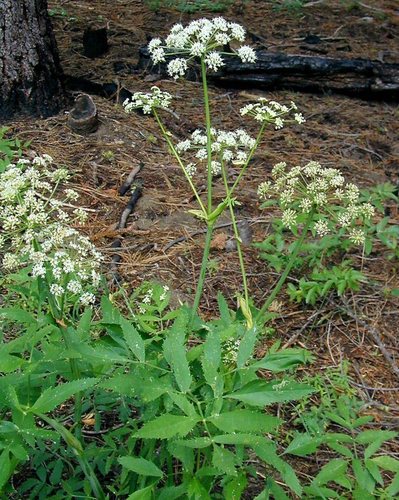
Sium sisarum L., commonly known as skirret, is a perennial plant in the Apiaceae family sometimes grown as a root vegetable. The English common name skirret comes from the Middle English terms 'skirwhit' or 'skirwort', which mean 'white root'. In Scots, it is called crummock, and in Irish it is called sciréad. Its Danish name sukkerrod, Dutch name suikerwortel, and German name "Zuckerwurzel" all translate to 'sugar root'.
Skirret produces a cluster of bright white, sweet, slightly aromatic roots, each roughly 15 to 20 centimetres (6 to 8 inches) long. These roots are used as a vegetable prepared the same way as common salsify, black salsify, and parsnip.
Skirret plants grow to roughly 1 metre (40 inches) tall, and are very resistant to cold, pests, and diseases. It can be grown from seed, but can also be propagated by dividing its roots. The roots are at their best for eating when the plant is dormant in winter; in spring, roots become woody and covered in fine small hairs. A lack of growing moisture can also make roots more fibrous. The plant prefers sandy, moist soil.
For culinary use, skirret roots are scrubbed, cut into sections, boiled, and served similarly to parsnips or carrots. Roots can be stewed, baked, roasted, fried in batter as fritters, or creamed, and can also be grated and eaten raw in salads. Some roots may have a woody central core, and this trait varies between individual plants. If a woody core is present, it should be removed before cooking, as it is hard to remove after cooking.