About Silene saxifraga L.
Taxonomy and Native Habitat
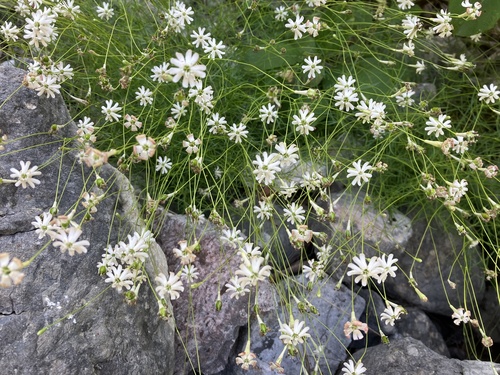
Silene saxifraga, commonly known as rock campion, is a perennial herbaceous plant belonging to the family Caryophyllaceae. Native to Europe, it thrives in rocky habitats such as cliffs, screes, and rocky slopes.
Growth Habit and Size
This plant exhibits a compact growth habit, with stems reaching up to 30 cm in height.
Leaf Characteristics
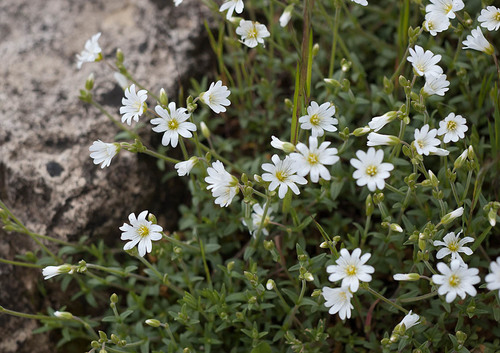
The leaves are small, narrow, and grey-green in color.
Flower Appearance and Bloom Period
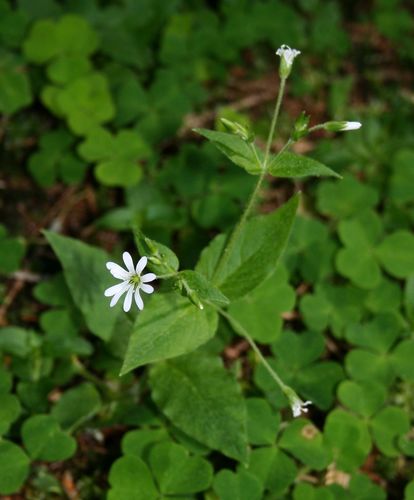
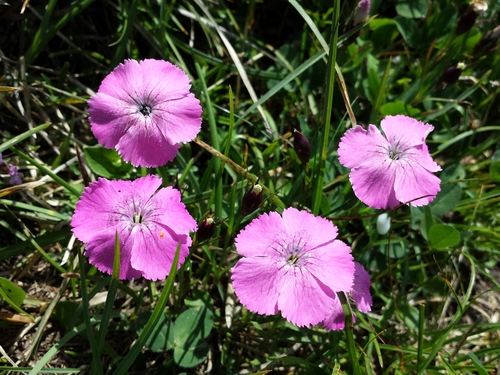
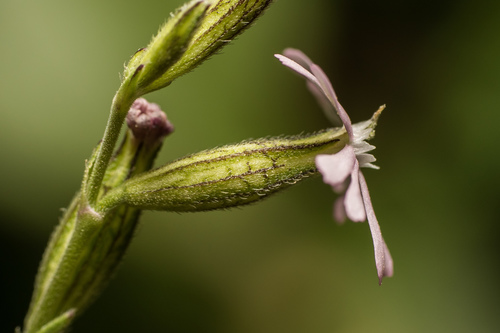
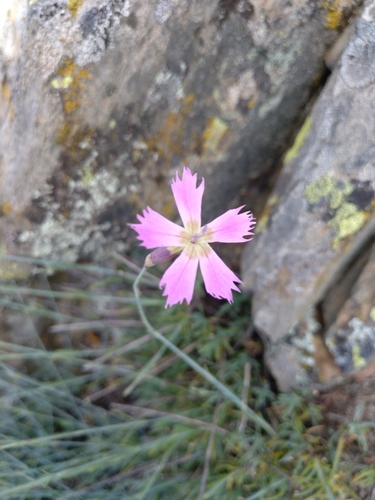
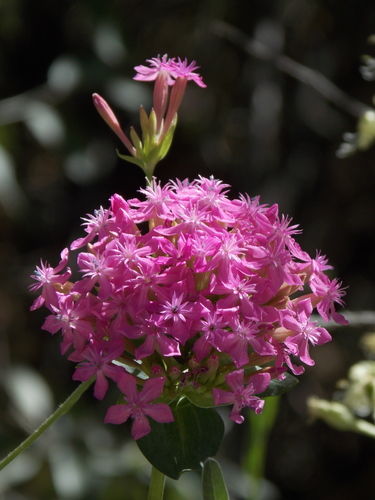
The flowers of Silene saxifraga are pink or white and bloom from May to August. They are arranged in clusters at the ends of the stems and feature five petals that form a star shape when fully open.
Pollinator Attraction
These flowers have an attractive fragrance that draws pollinators, such as bees.
Cultivation Requirements
Silene saxifraga is easy to grow, requiring well-drained soil and full sun exposure for optimal growth.
Propagation Methods
It can be propagated from seeds or by dividing established plants in spring or autumn.
Traditional Medicinal Uses
Historically, the plant has been used for its medicinal properties, particularly for its anti-inflammatory effects, making it useful for treating wounds, bruises, burns, and other skin conditions.
Summary of Attributes
Overall, Silene saxifraga is a beautiful perennial herbaceous plant that enhances the charm of rock gardens and other rocky habitats while also offering medicinal benefits when used appropriately.