About Searsia pyroides (Burch.) Moffett
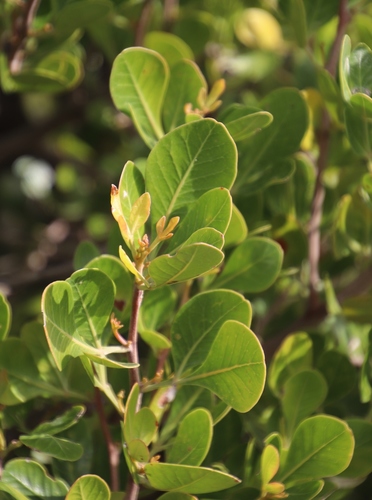
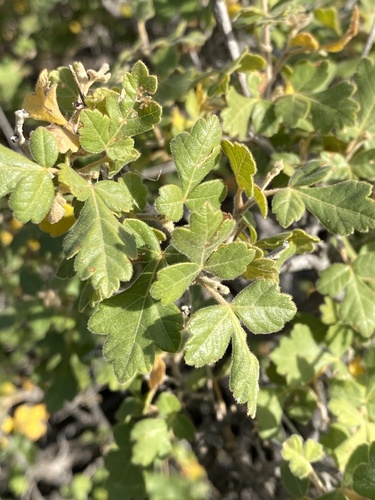
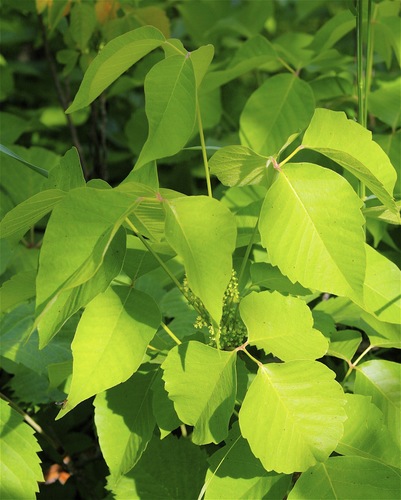
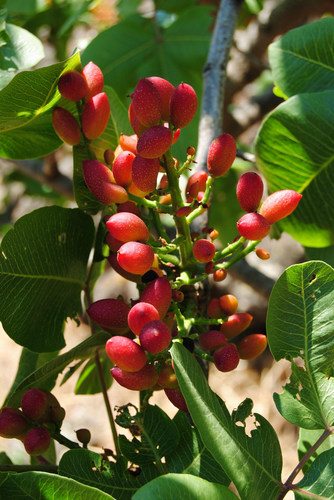
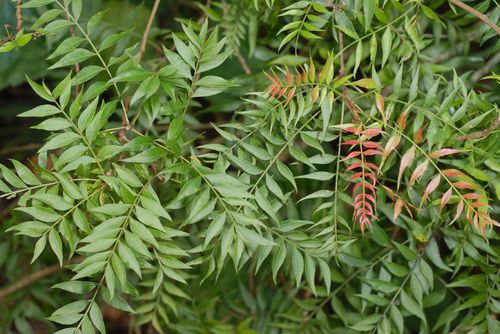
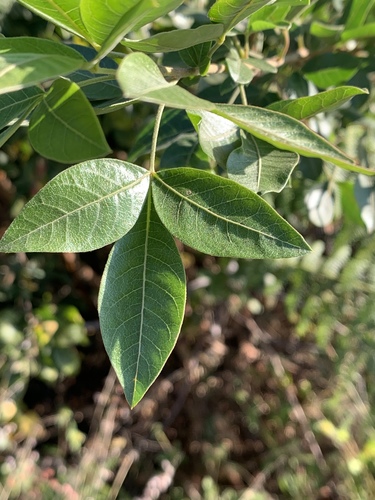
Searsia pyroides, previously classified as Rhus pyroides, has the common name currant-rhus in English, gewone taaibos in Afrikaans, and nhlokoshiyane in isiZulu. It is a species in the genus Searsia that is native to southern Africa. This tree grows across the entire territory of South Africa, in parts of Botswana, Zimbabwe and Tanzania, and in areas of Namibia located near Windhoek. It is highly variable in all characteristics, but most often it grows with a bushy form and is typically thorny. It can be found in bushveld, dry thornveld, rocky hillsides, termite mounds, water courses, and even on the edges of forests. It is very hardy, tough, drought-resistant, and deciduous. Its leaves are attractive and trifoliolate, and the tree sometimes produces large, woody thorns. Its flowers are very small, greenish, and bloom in summer. Male and female flowers grow on separate individual trees; female trees produce small fruits 3–4 mm in diameter that turn red when fully ripe. Due to its nutritious fruit, this tree draws in a wide variety of birds and insects, and it is considered an attractive addition to home gardens. It also acts as a host plant for the moth species Xylopteryx arcuata.