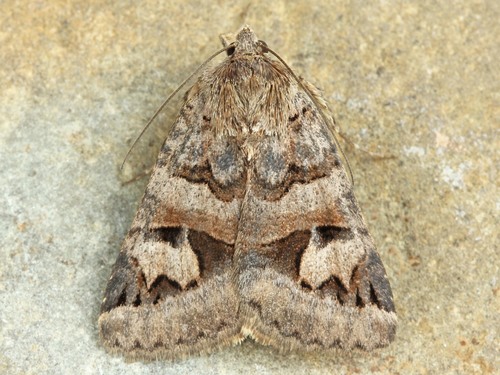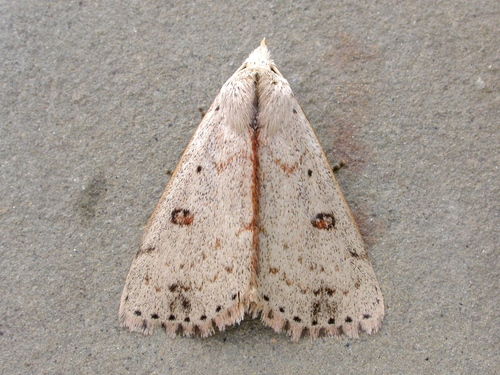
About Scolecocampa liburna Geyer, 1837
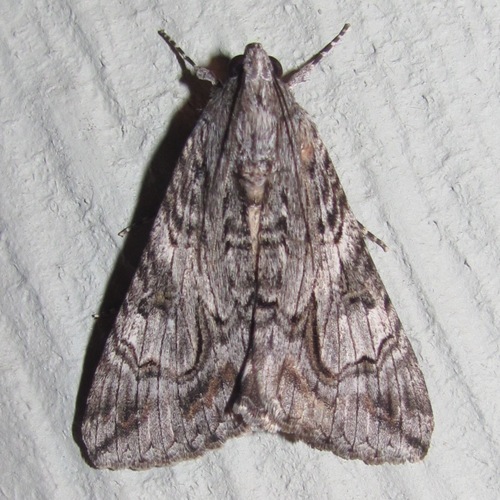
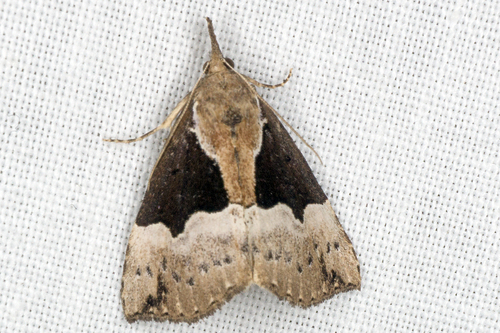
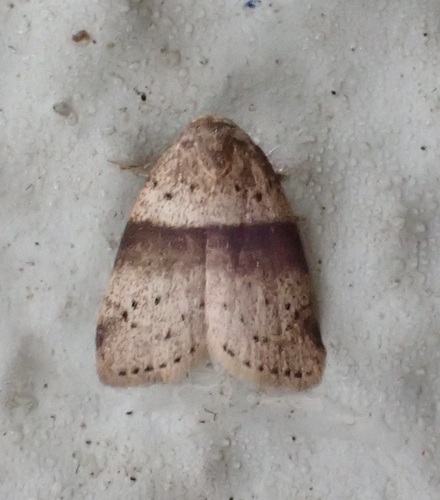
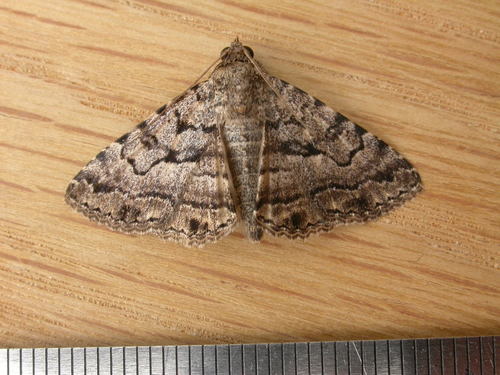
Scolecocampa liburna, commonly known as the dead-wood borer, is a species of moth belonging to the family Erebidae. This species was first formally described by Carl Geyer in 1837. In the United States, its distribution ranges from southern Wisconsin and Michigan in the north, east to central New England, and extends southward to Florida and Texas. The wingspan of adult Scolecocampa liburna measures between 35 and 43 mm. In southern Ohio, adults can be seen in flight from late May to late July, with a second flight period starting in late August. In northern parts of its range, this species typically has only one generation per year. Further south, the species produces more than one generation annually. The larvae of Scolecocampa liburna tunnel through fallen branches and trunks of chestnut, hickory, oak, sycamore, and a variety of other tree species. Larvae have also been recorded feeding and developing in fallen dead tulip trees.