About Scilla peruviana L.
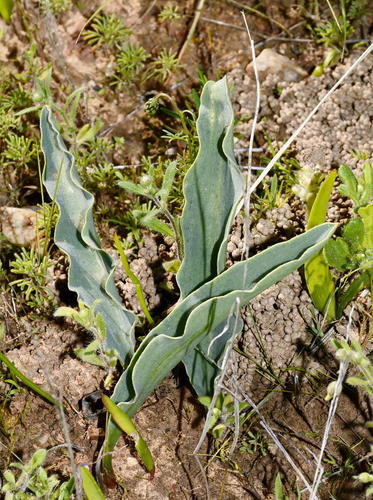
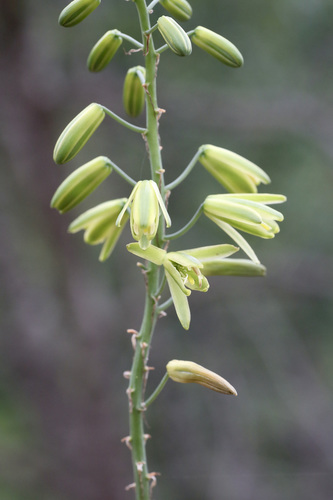
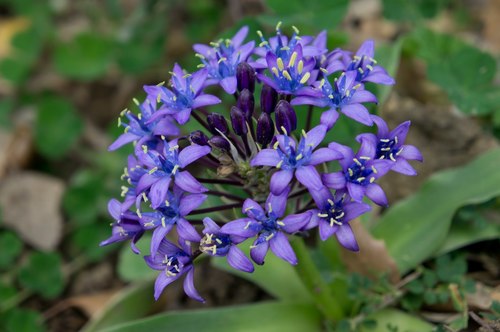
Scilla peruviana L. (synonym: Oncostema peruvianum), commonly called Cuban lily, Peruvian hyacinth, or Portuguese squill, is a species in the genus Scilla native to the western Mediterranean region, including Iberia, Italy, and northwest Africa. It is a bulb-bearing herbaceous perennial plant. Its bulb measures 6–8 cm in diameter, is white in color, and has an outer covering of brown scales. It produces linear leaves 20–60 cm long and 1–4 cm broad, with 5 to 15 leaves emerging each spring. The flowering stem grows 15–40 cm tall, and holds a dense pyramidal raceme that holds 40 to 100 flowers. Each flower is blue, 1–2 cm in diameter, and has six tepals. The plant’s foliage dies back in summer and regrows in autumn. This species is commonly grown as an ornamental plant for its spring flowers, with several cultivars available in flower colors ranging from white to light blue, dark blue, and violet. It is also known by other common names in some areas, including hyacinth-of-Peru, Cuban-lily, and Peruvian scilla. It is not fully hardy, and will be damaged by prolonged frost. It grows best in a warm Mediterranean climate that matches the climate of its native range.