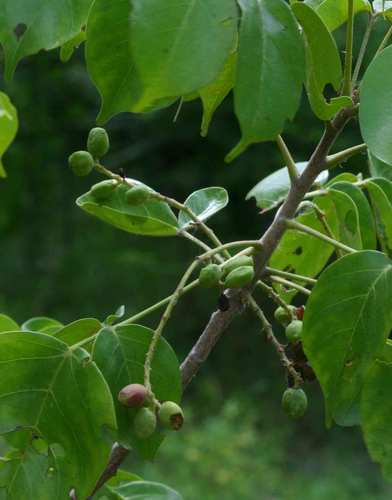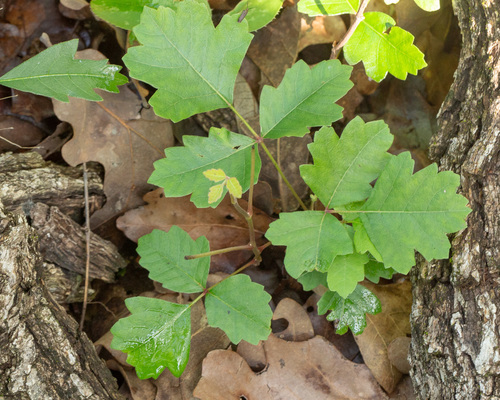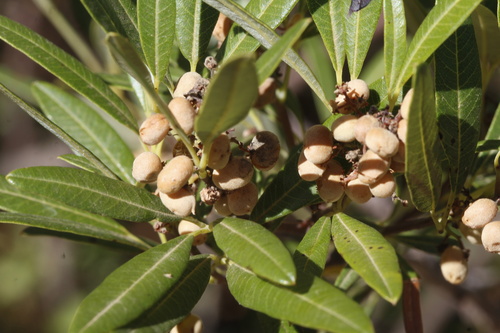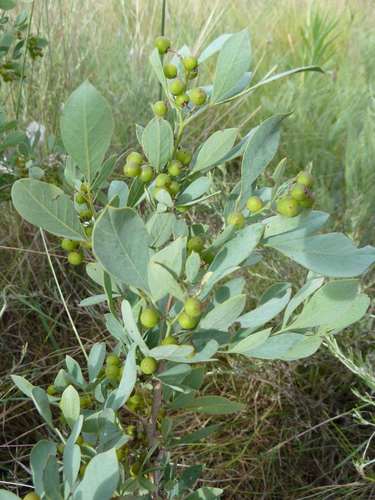
About Schinus longifolia (Lindl.) Speg.
Taxonomy and Size
Schinus longifolia, commonly known as the Brazilian pepper tree, is a small to medium-sized evergreen tree native to South America. It belongs to the Anacardiaceae family and can grow up to 10-15 meters tall.
Crown and Branches
The tree features a dense, spreading crown with drooping branches, giving it an attractive appearance.
Leaf Characteristics
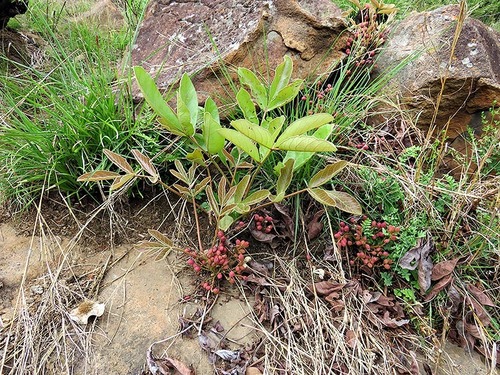
The leaves of Schinus longifolia are pinnate, consisting of 5-11 lanceolate, glossy green leaflets.
Flowering Details
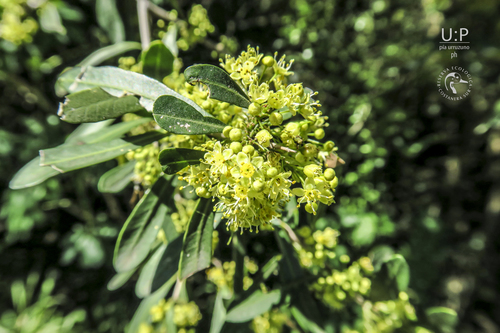
The plant produces small white or yellowish-green flowers that bloom from November through February.
Fruit Features
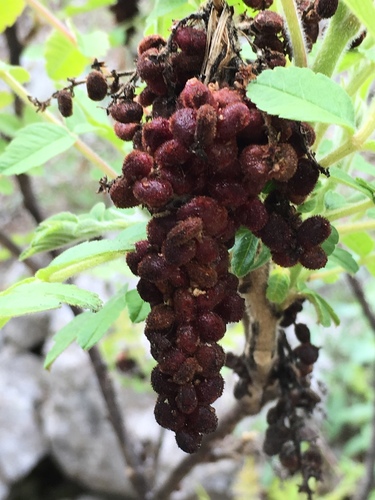
The fruit of Schinus longifolia is a bright red, berry-like drupe containing a single seed. These fruits have a spicy flavor similar to black pepper, hence the common name "Brazilian Pepper Tree."
Traditional Medicinal Use
Indigenous people have used the plant for medicinal purposes for centuries, particularly as an anti-inflammatory agent.
Soil Requirements
Schinus longifolia prefers well-drained soils but can tolerate poor soils as well.
Light Preference
It thrives in full sun but can also grow in partial shade.
Watering Needs
While drought-tolerant once established, the plant requires regular watering during its initial growth period.
Invasive Traits
Despite its attractive appearance, Schinus longifolia has become invasive outside its native range due to its rapid seed dispersal by birds.
Ecological Impact
This makes it difficult to control once established, causing ecological damage, especially on islands where it has been introduced, such as Hawaii.