About Satureja thymbra L.
Satureja thymbra L. is an aromatic semi-shrub.
Bark and Shoots
It has fuscous-brown bark and many erect, somewhat tetragonal young shoots that are gland-dotted and covered in short downy white pubescent hairs.
Leaf Features
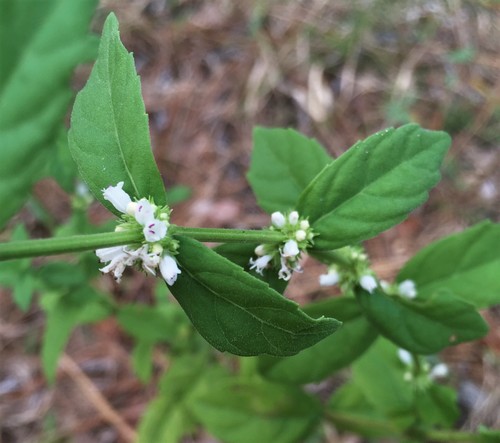
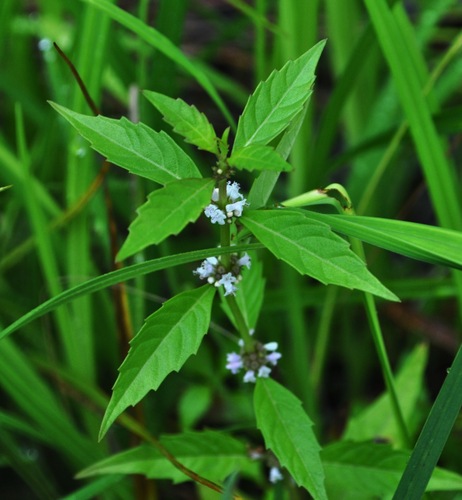
Its leaves are opposite, entire, smooth, sessile, and have two morphologically distinct types of glandular trichomes: glandular hairs and glandular scales.
Inflorescence Structure
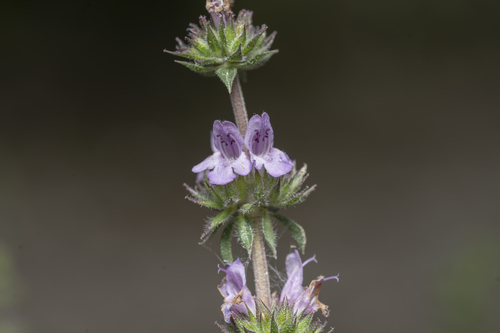
Leaves typically extend into condensed inflorescence clusters, formed by a pair of sessile cymes arranged evenly spaced around an axis, with numerous lanceolate bracts that measure around 5 millimetres (1⁄4 in) long and 2 mm wide.
Flowers and Fruit
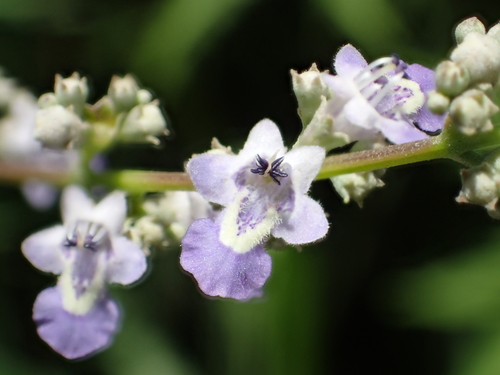
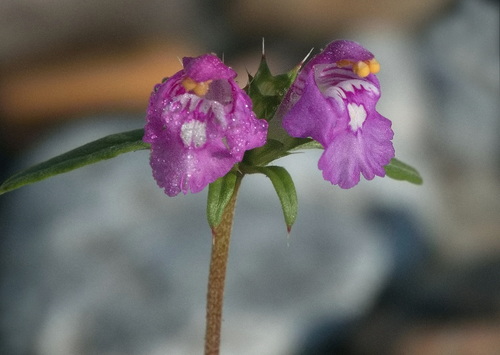
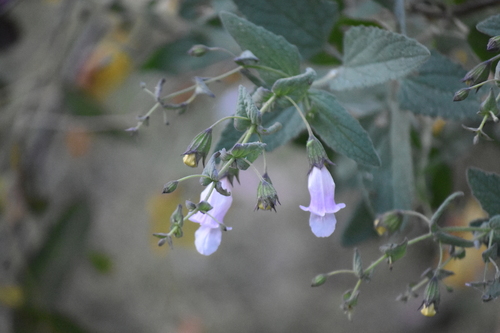
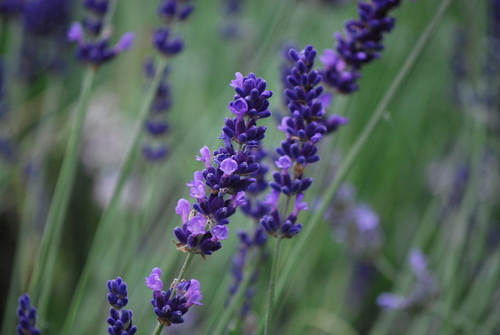
Pink to purple flowers grow in whorls, and its fruit pods are schizocarps.
Native Distribution
This semi-shrub is native to Libya, other parts of Africa, and southeastern Europe ranging from Sardinia to Turkey, including Crete, Cyprus, Lebanon, and Israel (Palestine).
Habitat Types
It grows primarily in Mediterranean woodlands and scrubland, and adapts well to higher elevations. It can also be found as undergrowth in rocky limestone gullies, and growing alongside dirt roads.
Distribution in Israel
In Israel, it is commonly found in the Mount Carmel region south of Haifa, the mountainous district of Upper Galilee, Samaria, and the Judaean Mountains.
Soil Preferences
It thrives in areas with soils dominated by terra rossa and hard limestone, and can also grow in chalk. It is rarely found along coastal plains or in the Jordan valley.
Modern Culinary Use
The crushed leaves of this plant have a more pungent taste and smell than true hyssop (eizov), so it is not commonly used as a spice today.
Traditional Medicinal Use
An exception is Lebanon, where it is still used as a herbal tea in Lebanese traditional medicine.
Ancient Culinary Use
In ancient times, whorled savory was used as a spice in Anatolia and Greece.
Rabbinic References
During Mishnaic times, this plant was called sī'ah in Hebrew. It is often referenced in rabbinic literature alongside eizov (marjoram) and qurnit (white-leaved savory), three wild-growing herbal plants harvested either for firewood or human consumption.
Ancient Meat Flavoring
In ancient Israel (Palestine), water infused with steeped whorled savory was used to flavor meats skewered and roasted over hot coals.
Dioscorides' Record
Dioscorides mentioned the plant in the Third Book of his De Materia Medica (3:44–45), noting it was used to flavor meat and recording other common medicinal uses of the era.
Medicinal Properties
When made into a tea, it is said to help relieve digestive problems, diarrhea, colic pains, flatulence, intestinal cramps, and anorexia.
Protected Status
In Israel, the species has protected status, and harvesting it is a criminal offense. Despite this protection, local people forage the plant's leaves between March and May.
Historical Apiculture Use
In Ottoman Palestine, honey bees harvested pollen from this plant's flowers to produce honey.