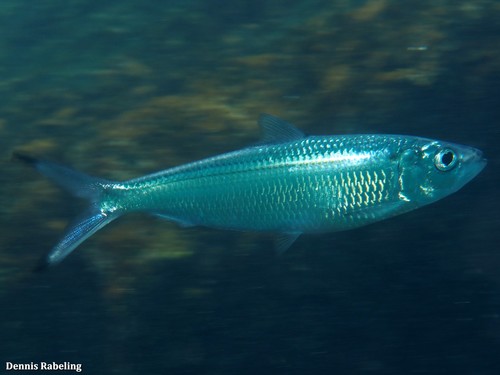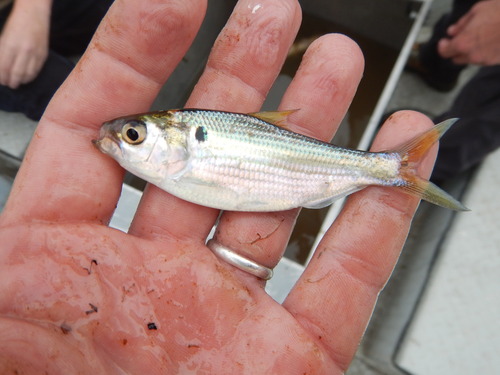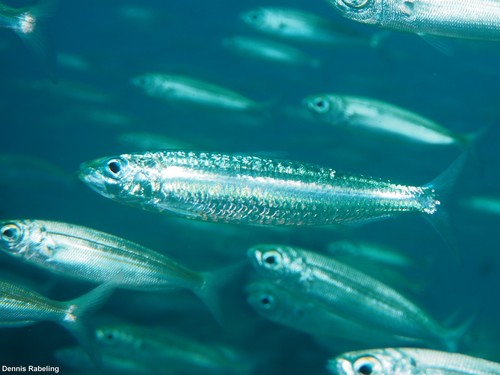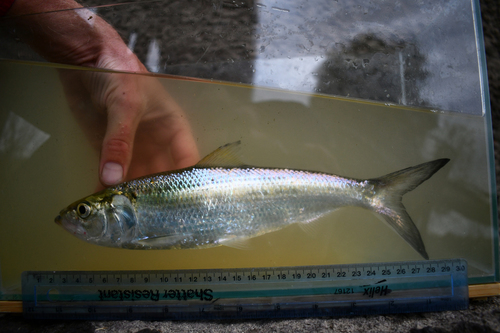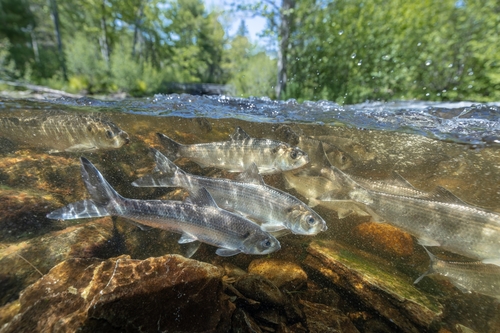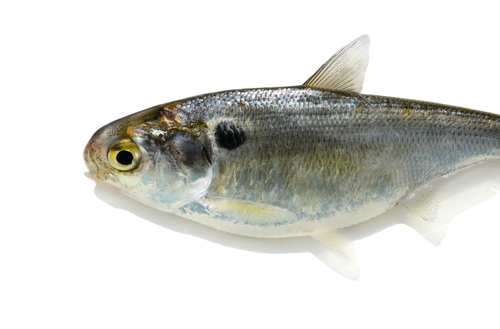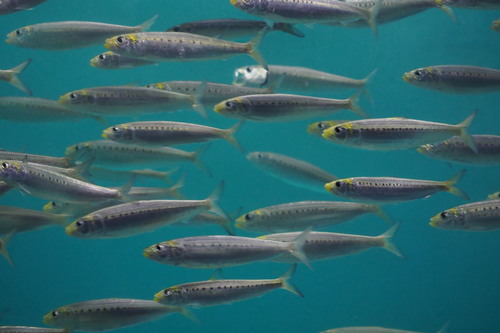
About Sardinops sagax (Jenyns, 1842)
Genus Taxonomic Placement
The genus Sardinops belongs to the sardine family Alosidae.
Valid Species Classification
While it was often considered monotypic, meaning it only contained Sardinops sagax, it currently holds three valid species: Sardinops melanosticta (Temminck & Schlegel, 1846), also called Japanese pilchard; Sardinops ocellatus (Pappe, 1853), also called Southern African pilchard; and Sardinops sagax (Jenyns, 1842).
Sardinops sagax Subspecies
Recognized subspecies of Sardinops sagax include Sardinops sagax caeruleus (Girard, 1854), also called Californian pilchard; Sardinops sagax musica (Girard, 1855); and Sardinops sagax neopilchardus (Steindachner, 1879), also called Australian pilchard.
Species Distribution
Sardinops sagax is found in the Indo-Pacific, East Pacific, Southeastern Atlantic, and southwestern Indian oceans.
Maximum Length
Individuals can grow up to 40 cm (16 in) in maximum length.
Common Names
This species has numerous common and vernacular names, many of which refer to its subspecies; these names include blue pilchard, blue-bait, Peruvian Pacific sardine (for S. s. sagax), South American pilchard, Chilean sardine, and Pacific sardine.
Extinct Fossil Species
In 2025, an extinct Sardinops species, S. humboldti, was described from Miocene fossils discovered in southern Peru.