About Sanicula europaea L.
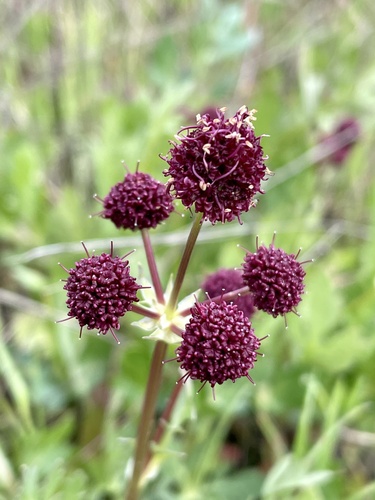
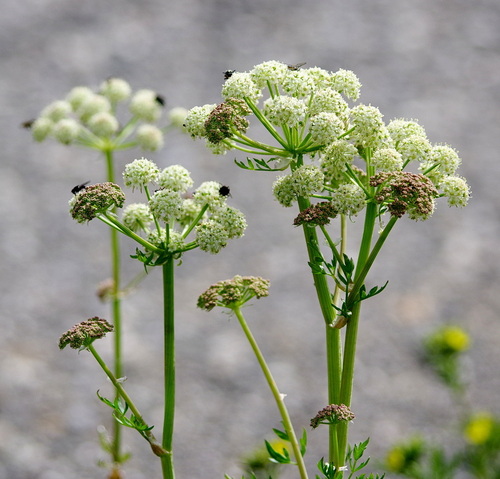
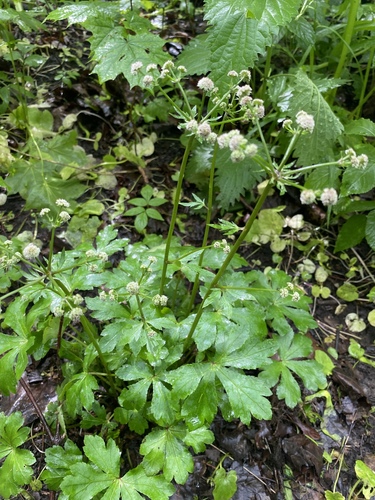
Sanicula europaea L. is a species that grows up to 60 cm high. It is glabrous, with glossy, dark green, lobed leaves that have coarse teeth. Its pinkish flowers grow in tight spherical umbels. After flowering, it produces bristly fruits that easily stick to clothing or animal fur, which helps them spread widely. This plant is widespread across Europe, where it grows in shady locations within woodlands. It has a long history of medicinal use across Europe, starting with traditional uses for wound healing and general cleaning. Filtered leaf extracts of Sanicula europaea have demonstrated some antiviral activity, specifically inhibiting the replication of type 2 Human parainfluenza viruses (HPIV-2). In France, water or wine infusions of sanicle were commonly used to treat dysentery, ulcers, and kidney injuries. Nicholas Culpeper expanded this list of uses, noting that sanicle heals tumours in any part of the body, and relieves gonorrhoea, bowel pain, and additional conditions. In traditional Austrian medicine, the roots of this plant are used either internally as tea or externally as an ointment to treat disorders of the skin, respiratory tract, locomotor system, gastrointestinal tract, and infections.