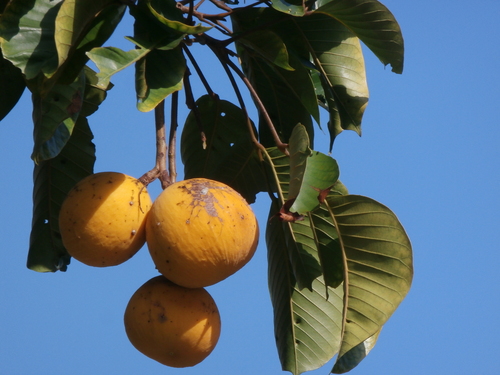
About Sandoricum koetjape (Burm.fil.) Merr.
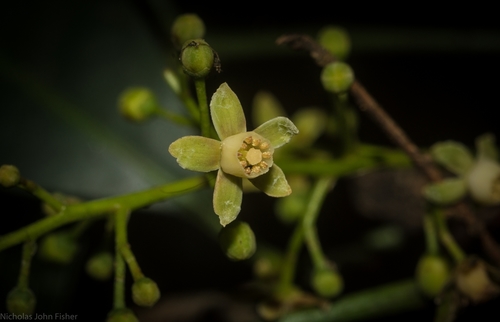
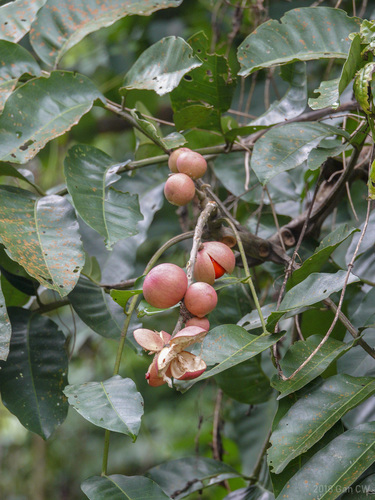
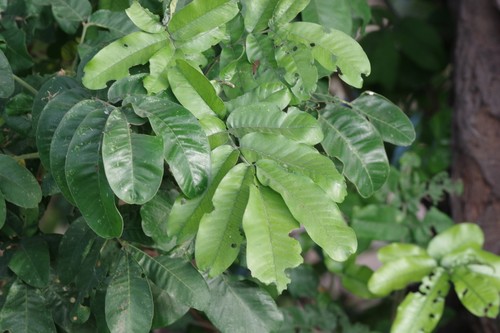
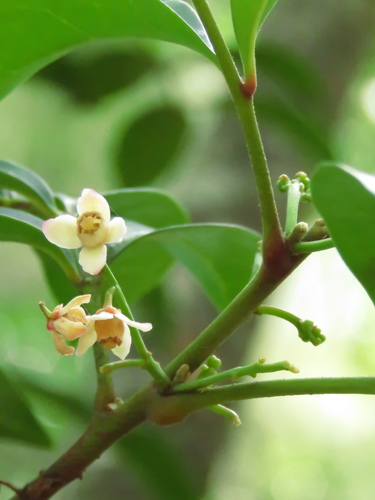
Santol, scientifically named Sandoricum koetjape (Burm.fil.) Merr., has two cultivated varieties: the yellow and the red. These were previously classified as two separate species. The key difference between the two is the color that mature leaves turn before falling. The red variety is more common, and its mix of reddish and green leaves makes the tree more visually distinct and attractive. Santol fruits are often similar in size, shape, and slightly fuzzy texture to peaches, with a subtle reddish tinge. Depending on the variety, the fruit’s outer covering can range from a thin peel to a thicker rind; this outer layer is often edible, and some cultivars contain milky juice. The soft central pulp surrounding the seeds may be sweet or sour, and it contains inedible brown seeds. In some varieties, the thick outer rind is the main edible part. It has a mild peachy flavor, with an pulpy texture similar to that of an apple. In other varieties, the outer rind is thinner and harder, so people eat the whitish inner pulp around the seeds instead. In many cultivars, this inner pulp is quite sour, which has lowered the overall popularity of the santol tree. Most improved santol varieties have a thicker edible outer rind, which can be eaten with a spoon after removing the outermost skin, and this change is expected to increase the fruit’s acceptance worldwide. Santol grows on a fast-growing tree that can reach up to 150 feet in height. The tree produces ribbed leaves, and small pink or yellow-green flowers approximately 1 centimeter long. Santol is native to Malesia and New Guinea. It has been introduced to Indochina, Sri Lanka, India, northern Australia, Mauritius, and the Seychelles. It is commonly cultivated across all these regions, and its fruits are seasonally abundant in both local and international markets. Sandoricum koetjape grows in humid tropical climates, at elevations ranging from sea level up to 3,000 feet (910 m). It thrives best in deep, organic-rich soil with evenly distributed rainfall throughout the year, though it can also tolerate long dry periods. Trees are planted 20 to 25 feet (6.1 to 7.6 m) apart from one another. To support good growth, the trees require fertilization twice a year. Trees grown from seed typically produce their first fruit when they are 5 to 7 years old, though some cultivars will fruit after only 3 to 4 years. Santol is a very productive species; a mature tree can produce between 18,000 and 24,000 fruits per year. In Puerto Rico, santol produces fruit during the months of August and September.