All Species Plantae

Salvia japonica Thunb. is a plant in the Lamiaceae family, order Lamiales, kingdom Plantae. Not known to be toxic.

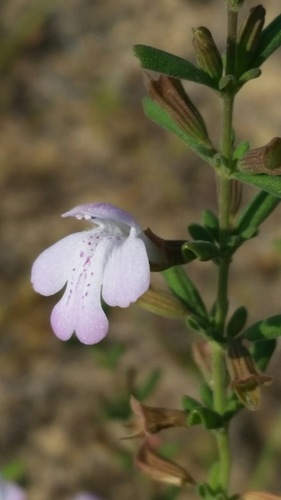
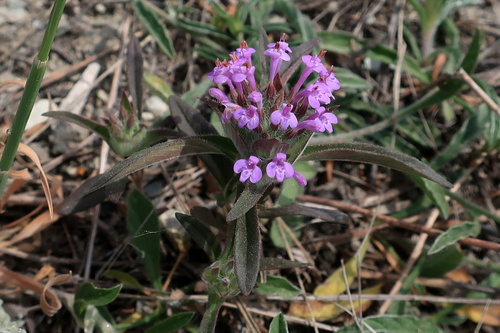
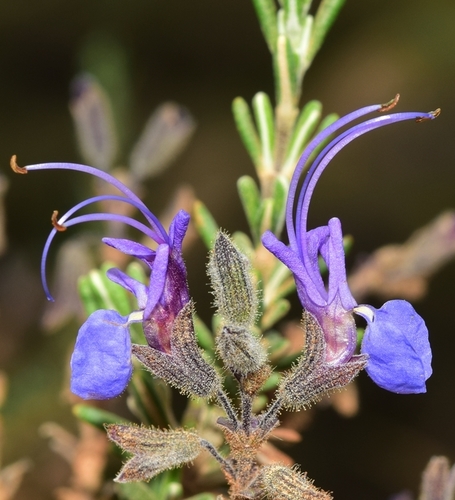
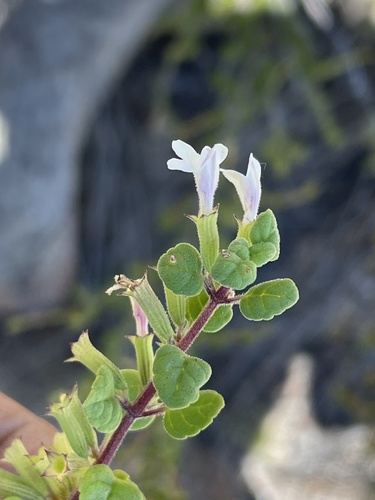
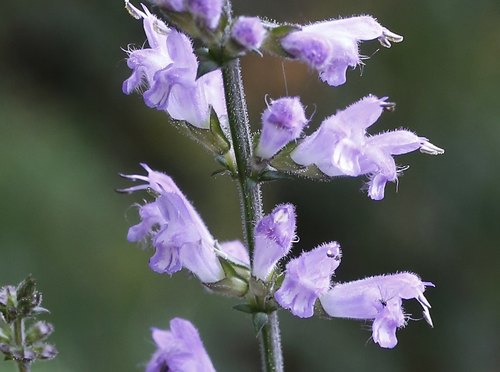
Photo of Salvia japonica Thunb. (Salvia japonica Thunb.)
Plantae

Salvia japonica Thunb.

Salvia japonica Thunb.

Salvia japonica, or East Asian sage, is an annual native to East Asia with varied flower colors and two named varieties.

Identify with AI — Offline
Family
Genus
Salvia
Order
Lamiales
Class
Magnoliopsida
⚠️ Toxicity Note

Insufficient toxicity evidence; avoid direct contact and ingestion.

✦ Fun Fact

According to legend, the goddess of flowers found herself in danger and was being pursued on Earth. When she reached a plain and had no place to hide, she sought help from the roses and lilacs, but they both refused her. Only the Salvia japonica came to her aid, swiftly blooming to conceal her from her pursuers. As a result, the roses grew thorns and the lilacs developed an unpleasant odor. In contrast, the Salvia japonica was rewarded with a wealth of healing properties.

About Salvia japonica Thunb.

Nomenclature and Growth Habit

Salvia japonica Thunb., commonly called East Asian sage, is an annual plant.

Native Range and Elevation

It is native to multiple provinces in China and Taiwan, where it grows at elevations ranging from 200 to 1,200 meters (660 to 3,940 feet).

Stem Characteristics

This species produces erect stems that grow 40 to 60 centimeters (16 to 24 inches) tall.

Inflorescence Structure

Its inflorescences are verticillasters that each hold 2 to 6 flowers, arranged in terminal racemes or panicles.

Corolla Traits

The corolla measures approximately 1.2 centimeters (0.47 inches) across, and can be reddish, purplish, bluish, or white in color.

Intraspecific Varieties

There are two recognized named varieties of this species: Salvia japonica var. japonica and Salvia japonica var. multifoliolata, which differ slightly in leaf and flower shape.
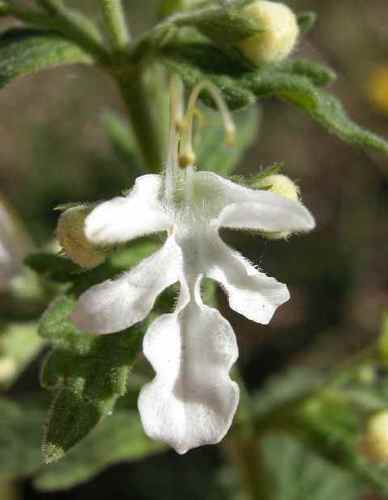
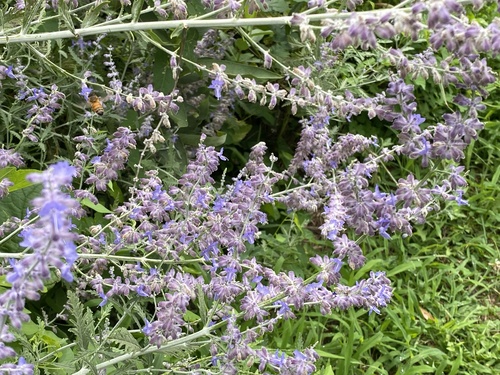
Photo: (c) 空猫 T. N, some rights reserved (CC BY-NC), uploaded by 空猫 T. N · cc-by-nc

Taxonomy

Plantae Tracheophyta Magnoliopsida Lamiales Lamiaceae Salvia

More from Lamiaceae

Sources: GBIF, iNaturalist, Wikipedia, NCBI Taxonomy · Disclaimer

Start Exploring Nature Today

Download iNature for free. 10 identifications on us. No account needed. No credit card required.

App Store
Scan to download from App Store

Scan with iPhone camera

Google Play
Scan to download from Google Play

Scan with Android camera