About Salvia greggii A.Gray
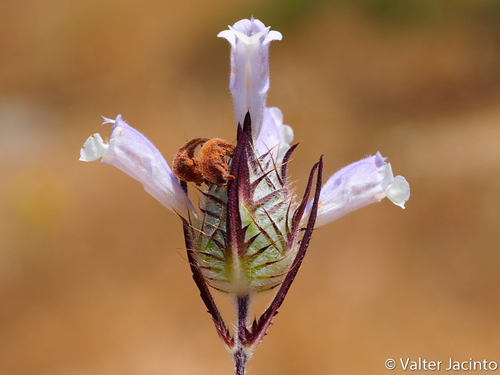
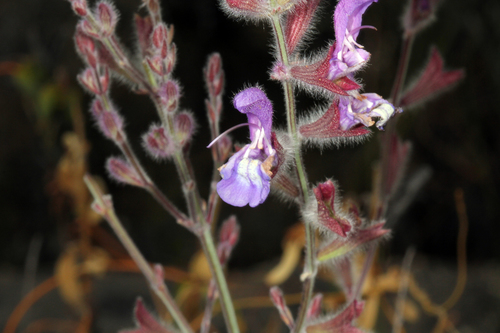
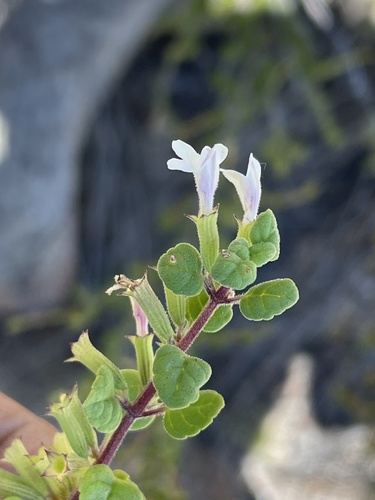
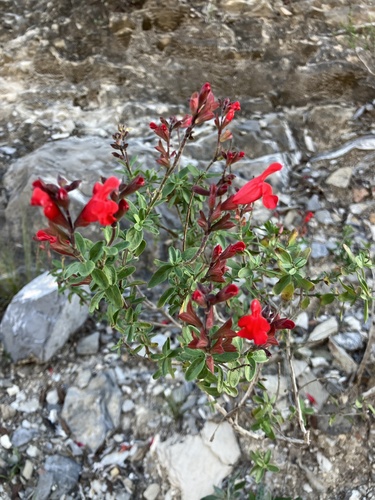
Salvia greggii A.Gray is a highly variable plant with many named cultivars. It grows between 1 and 4 ft (0.30 to 1.22 m) tall, and is typically narrower than it is tall. Growth habit can be either upright or mounding. Its leaves are usually mid-green, glabrous, generally less than 1 in (2.5 cm) long, and carry a spicy fragrance. Flower size and color are extremely variable: flowers range from 0.25 to 1 in (0.64 to 2.54 cm) in length. In wild populations, scarlet and red shades are the most common, but flowers also occur in rose, white, pink, lavender, apricot, and violet. This species is widely used in horticulture. Popular named cultivars include 'Furman's Red', a Texas-origin cultivar that produces abundant dark red flowers in autumn; 'Big Pink', which has large lower lip, deep pink color and a lavender tint; 'Purple Pastel', a small variety that reblooms in autumn; 'Cherry Chief', which blooms reliably in the humid southern United States; and 'Desert Pastel', which bears pale apricot flowers with yellow streaks and prefers mild climates. Additional cultivars are 'Alba', a white-flowered variety; 'Peach', which has vivid red flowers; and 'Strawberries and Cream', which has yellow and pink flowers. In 1991, an English plant expedition discovered natural hybrids between S. greggii and S. microphylla in Mexico. These multicolored hybrids are collectively named Salvia × jamensis, after the nearby village of Jame. The expedition collectors gathered seed from nearly 30 different flower colors. It was later found that plants collected in 1991 by collectors from Yucca Do Nursery in Texas also represent forms of Salvia × jamensis. These various forms most closely match S. greggii in height, though they display a wide range of variation in other traits. In the United Kingdom, the cultivars 'Javier' and 'Peter Vidgeon' have received the Royal Horticultural Society's Award of Garden Merit. Other species have also contributed to developing garden cultivars, so the exact origin of some cultivars remains unclear. As a group, these plants may be referred to as Mexican salvias.