About Russalpia albertisi Bolívar, 1898
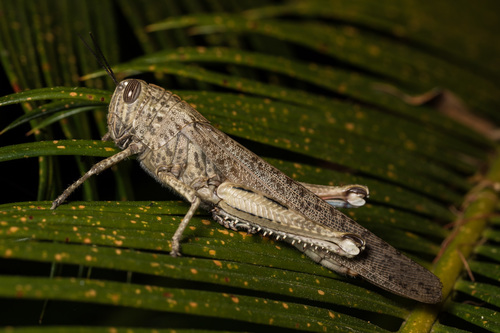
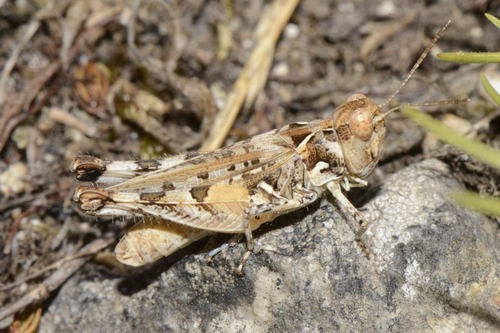
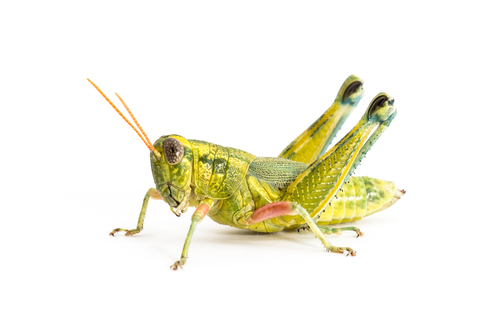
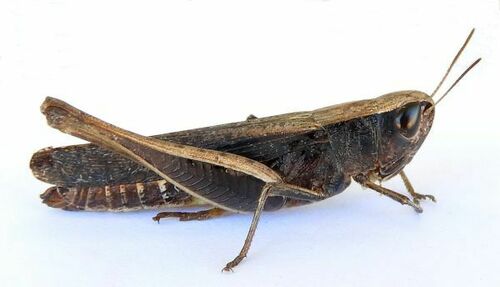
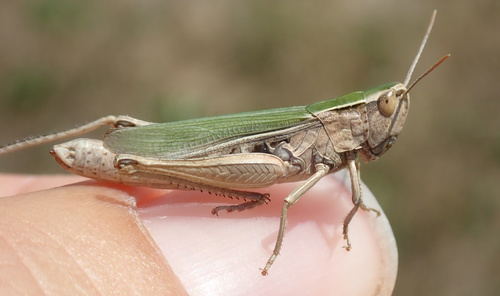
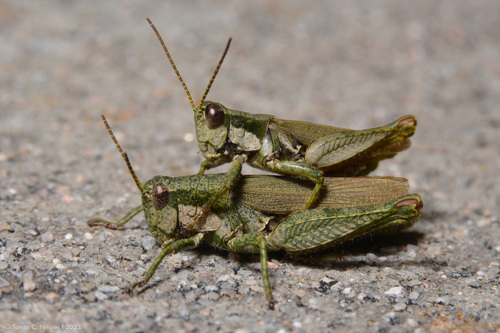
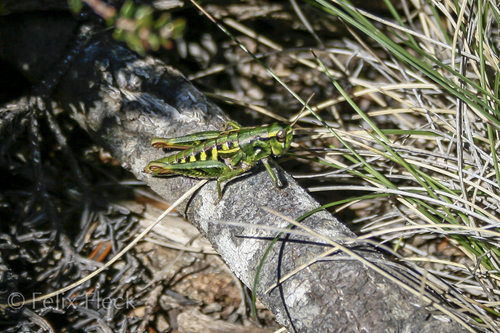
Russalpia albertisi Bolívar, 1898 can be distinguished from other related species by its micropterous wings: it has small, non-functional forewings and vestigial hind wings. Its pronotum has a smooth median carina and a clearly defined caudal margin. As is typical for many grasshopper species, males of this species usually have more inflated hind femora, while females have more slender femora and a slightly larger, more robust abdomen. The colouration of R. albertisi varies widely, and individual grasshoppers may appear in shades of green, brown, or black; this colouration provides effective camouflage in Tasmanian grasslands. This species is endemic to Tasmania, where it occurs mainly in grassland and open woodland habitats, mostly within the Tasmanian Wilderness World Heritage Area. It has been observed across a range of altitudes, and it particularly thrives in buttongrass moorlands and montane regions. R. albertisi is a herbivorous grasshopper species that feeds on native perennial grasses and small herbaceous plants, which matches the diet of other grasshoppers that share its ecological niche. Records of sightings and specimen collections indicate that R. albertisi is most active during the warmer months of spring and early summer, when vegetation is abundant and conditions are favourable. Unlike many other grasshopper species, R. albertisi does not produce stridulatory sounds for communication or mate attraction, and instead relies on other behavioural cues for intraspecific interactions. The life cycle of R. albertisi matches that of other acridid grasshoppers: it lays eggs in soil or vegetation, and nymphs develop through multiple molts before reaching adulthood.