About Rumex salicifolius Weinm.
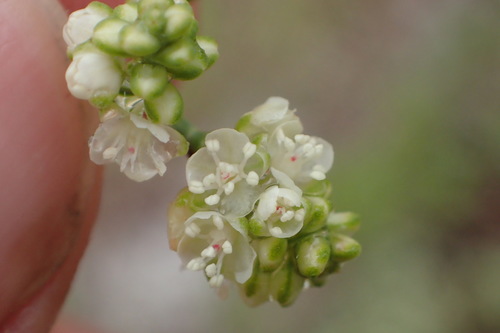
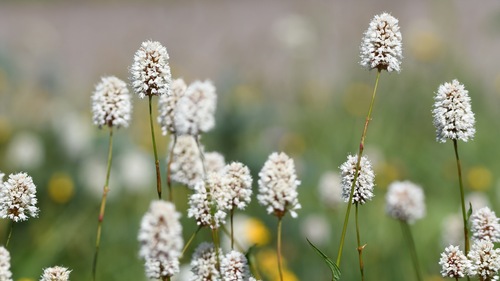
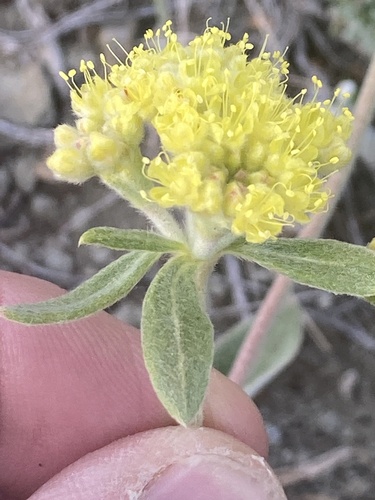
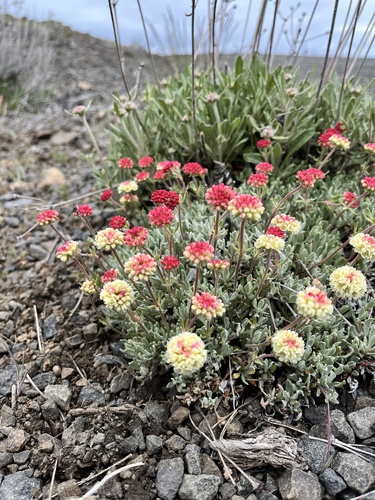
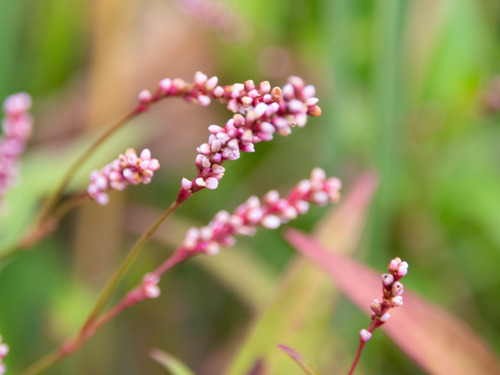
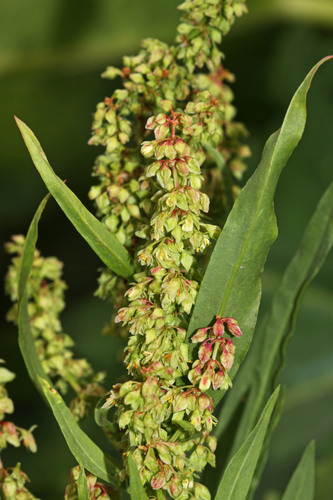
Rumex salicifolius Weinm. is a perennial herb that lives for two or more years. It produces a slender stem that can be prostrate and spreading, or erect, reaching a maximum length of around 90 centimeters. Its leaves grow up to approximately 13 centimeters long and can take most any shape. The plant is typically green with subtle pink and red tones. Its inflorescence is an interrupted series of flower clusters, holding up to 20 flowers per cluster. Each flower hangs from a pedicel, and usually has six tepals: the inner three are the largest, and most often have central tubercles. This species is an important food and host plant for Lycaena rubidus larvae. It is native to parts of California, Arizona, Nevada, and Northern Mexico, and has more recently been identified as an introduced species in parts of Europe. It most commonly grows below 3500 meters in elevation, in typically wet but not permanently flooded environments, including areas adjacent to seasonally flooded wetlands, rocky slopes, and margins. It usually thrives in full sunlight, and only grows occasionally in partial shade. Its bloom period runs from June through September. The Zuni people use the mexicanus variety of this species medicinally. Husbands prepare a strong infusion of the root to give their wives to help them become pregnant. Ground root or a root infusion is also taken for sore throat, particularly by sword swallowers. Aboriginal people of the Canadian Boreal Forest use this species to treat and manage chronic pain, including chronic migraine or headache, chronic back pain, and chronic rheumatism or arthritis. Studies have found it successful for aiding anti-inflammation and providing significant pain relief.