About Rumex lapponicus (Hiitonen) Czernov
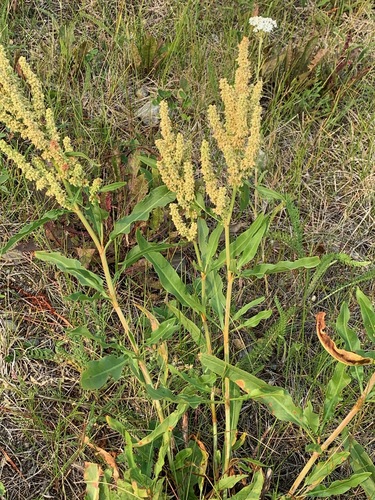
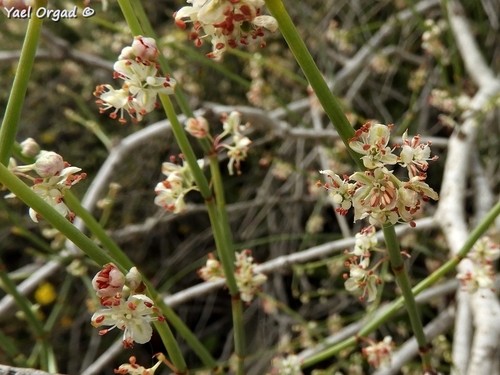
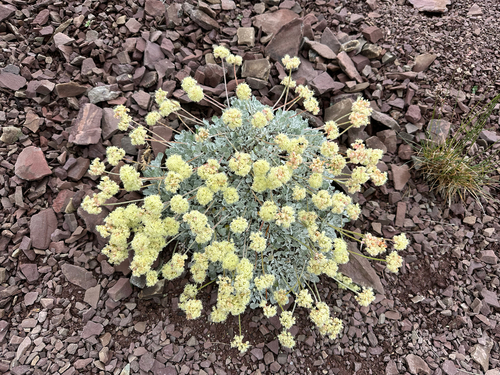
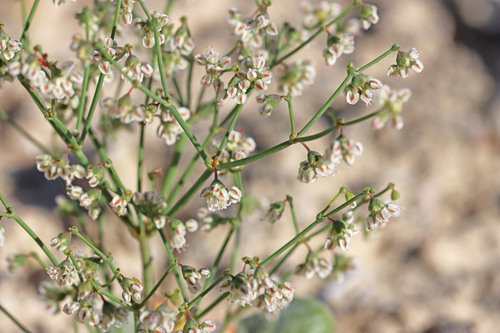
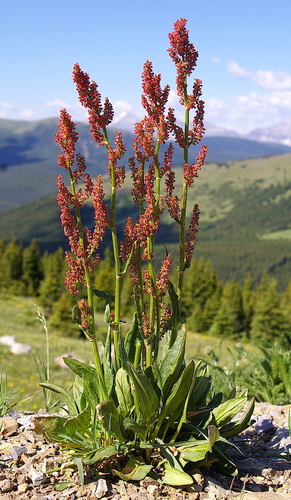
Rumex lapponicus (Hiitonen) Czernov is a herbaceous perennial plant that grows either a single branched erect stem or several branched erect stems. Branching in the distal portion of the stem and the inflorescence is the feature that distinguishes R. lapponicus from other Rumex species, specifically R. acetosa. R. lapponicus was initially incorrectly classified as a subspecies of R. acetosa. Its stems typically grow to a height of 20 to 60 centimeters, or 8 to 24 inches. Its leaves are broadly ovate, terminally sagittate, 3 to 10 centimeters long, and 1 to 4 centimeters wide. This species is dioecious. Rumex lapponicus grows at elevations between 0 and 2500 meters in montane and submontane meadow and outcrop environments. Its range covers British Columbia, Alberta, Yukon, and the Northwest Territories in Canada; Alaska, Montana, and Wyoming in the United States; Greenland; and all of North Eurasia. It grows best in silty, fine soils along rivers and streams in montane and tundra zones. The Norwegian name for Rumex lapponicus is setersyre. This name has led to speculation that the plant was used as an acidifying agent on Mid-Norwegian summer farms. The United States Department of Agriculture has listed Rumex lapponicus as a noxious weed in the state of Arkansas. In its official website profile, the USDA notes that members of the genus Rumex can directly or indirectly injure or cause damage to crops (including nursery stock or plant products), livestock, poultry or other interests of agriculture, irrigation, navigation, the natural resources of the United States, the public health, or the environment. As a listed noxious weed, R. lapponicus is subject to interstate travel restrictions within the United States.