About Rhus copallina L.
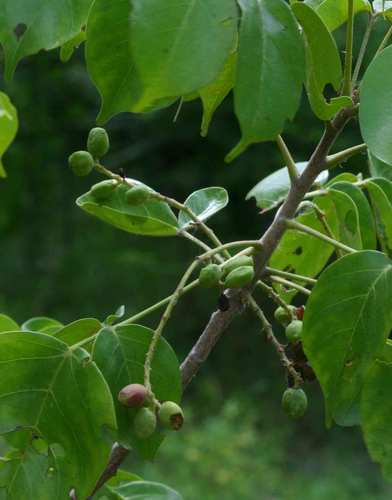
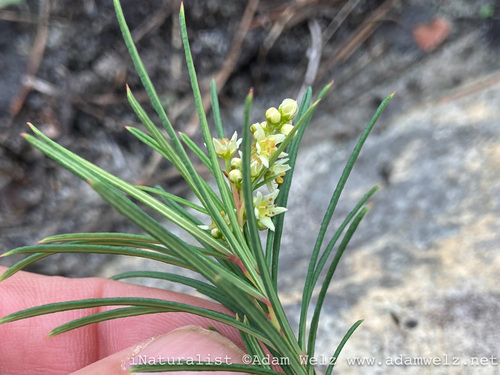
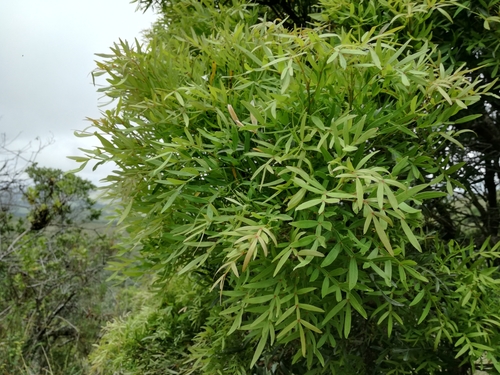
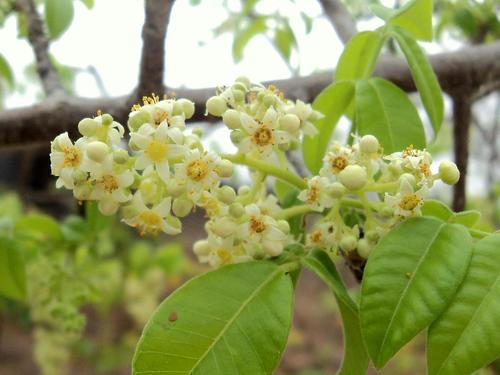
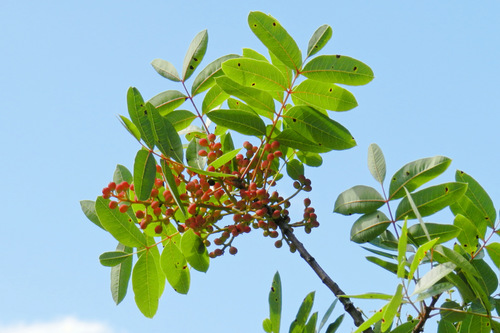
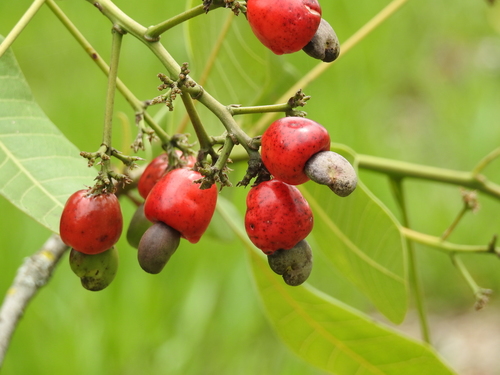
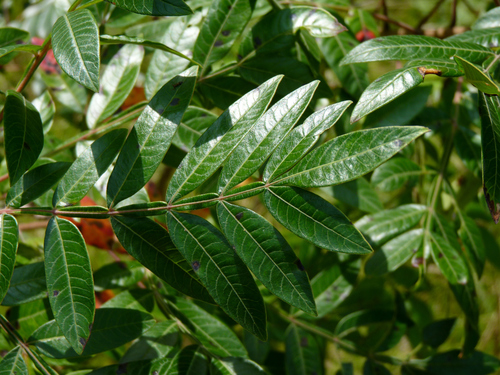
Shining sumac, scientifically named Rhus copallina L. (also commonly called winged sumac), is a thornless plant often cultivated for natural and informal landscapes. It grows via underground runners that spread to form dense, shrubby cover that benefits birds and other wildlife. It is valued as an ornamental for its lustrous dark green foliage, which turns a striking orange-red in autumn. Its bright fall color is frequently visible along interstate highways, as it readily colonizes highways and other disturbed sites. It produces tiny greenish-yellow flowers in summer, arranged in compact terminal panicles. These flowers are followed by showy red clusters of berries that remain on the plant through winter, attracting wildlife. The persistent fruit does not create significant litter problems. This species can naturally grow with multiple trunks, but can also be trained to grow with a single trunk. Its bark is thin and easily damaged by mechanical impacts. As the plant grows, its branches droop, so pruning is often required to provide clearance for vehicles or pedestrians under its canopy. Its leaves are alternate and pinnately compound, with leaflets borne on alate (winged) rachises, which gives the plant its common name of winged sumac. This species ranges from the Coastal Plain of Florida north to Ontario, Canada, and west to Texas, Nebraska, Oklahoma, and Kansas. The variety R. copallinum var. lanceolata is also found in parts of Mexico. It occurs in a wide range of ecosystems, including longleaf-slash pine, loblolly-shortleaf pine, oak-pine, oak-hickory, and oak-gum-cypress forest types. It can be found in many different plant associations, and does not indicate the presence of a single specific habitat. It grows best in full sunlight and well-drained soil, and is tolerant of pollution, drought, heavy pruning, compacted soil, and transplanting. Once established, it is difficult to remove from an area, and it competes with young pines and other hardwoods in many habitats. It can tolerate salt spray in maritime forests and coastal grasslands, and can grow in serpentine soil, as well as shallow, rocky soil. It tolerates a wide range of soil textures including clay, loam, and sand, and soil pH between 5.3 and 7.5, and has a high drought tolerance. It requires between 28 and 60 millimeters of water, and can survive minimum temperatures as low as -28 °F. It can be grown in full sun or partial shade. Rhus copallina can be planted in containers or above-ground planters. It is recommended for buffer strips around parking lots, highway median strip plantings, and land reclamation projects. This species is dioecious: both male and female plants are required for successful reproduction. The somewhat sour, berry-like fruits are edible and rich in vitamin A. They are eaten by wildlife, and can be made into a lemonade-like drink. Deer browse the plant's twigs, and leaves of this species make up part of the diet of captive Coquerel's sifakas, a type of lemur. Rhus copallina also has a variety of documented medicinal uses. Its bark can be used to treat diarrhea and menorrhagia, and has a strong effect on the female hormonal system; it was traditionally used to relieve menopause symptoms. Tea made from the fruit and bark can be used externally to treat oozing sores, burns, and blisters. Berry tea is prepared by steeping 1 teaspoon of dried fruit in 8 ounces of water for 30 minutes. Bark tea requires 1/2 teaspoon of bark per 8 ounces of water, decocted for 15 minutes, then steeped for 1 hour.