About Rhus chinensis Mill.
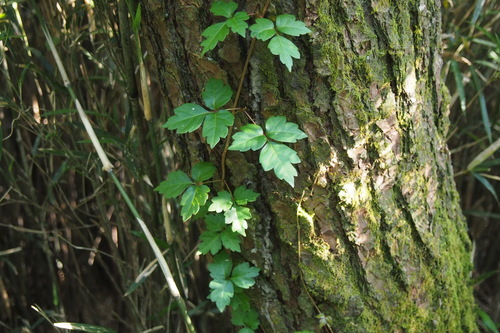
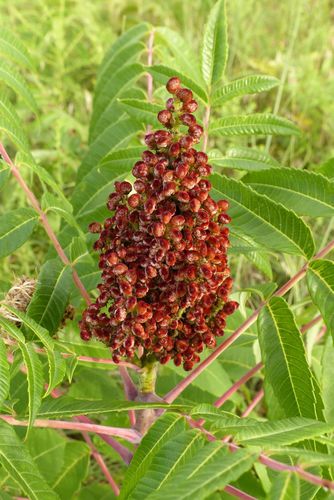
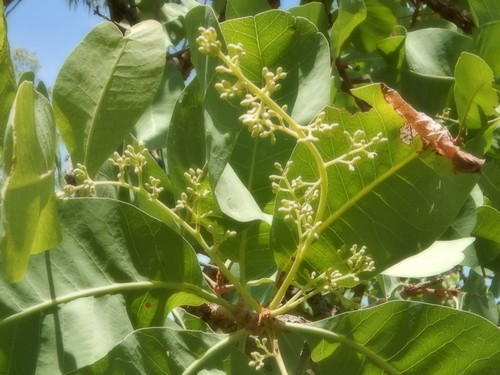
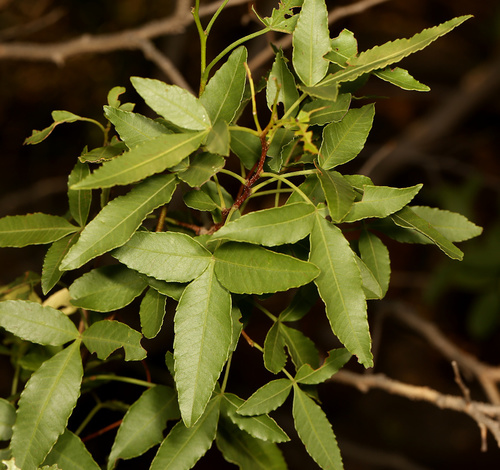
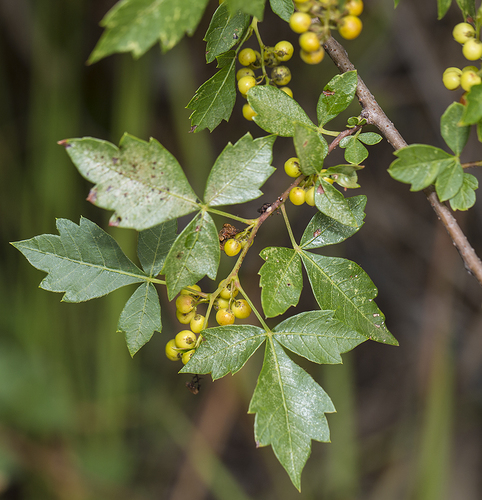
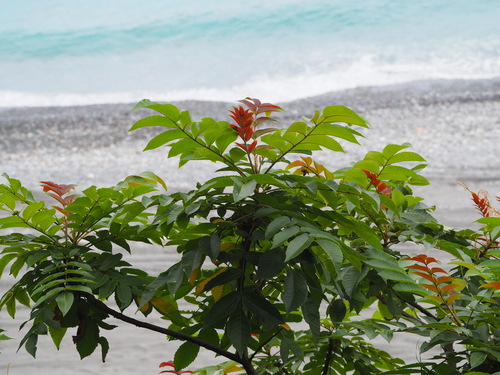
Rhus chinensis Mill., commonly known as Chinese sumac or nutgall tree, is a deciduous shrub or small tree belonging to the genus Rhus. It can reach a height of 6 m (20 ft), and has downy shoots and leaves made up of multiple leaflets. These leaflets turn red in autumn before they fall off the plant. This species is common across East and South Asia, and is grown as an ornamental plant in temperate climates. Galls that form on this plant are called Chinese gall (Galla chinensis), and they act as a source of gallotannins, which are a type of hydrolyzable tannin molecule. When the tree is infested by Chinese sumac aphids (Melaphis chinensis Bell), it can produce these galls, which are considered a valuable commercial product in China. Chinese galls are used in traditional Chinese medicine to treat coughs, diarrhea, night sweats, dysentery, and intestinal and uterine bleeding. Some research has indicated that chemical compounds found in Rhus chinensis have demonstrated in vitro antiviral, antibacterial, anticancer, hepatoprotective, antidiarrheal, and antioxidant activities. Aqueous extracts of the gall also inhibit alpha-glucosidase activity when tested in vitro.