All Species Plantae

Ranunculus occidentalis Nutt. is a plant in the Ranunculaceae family, order Ranunculales, kingdom Plantae. Toxic/Poisonous.

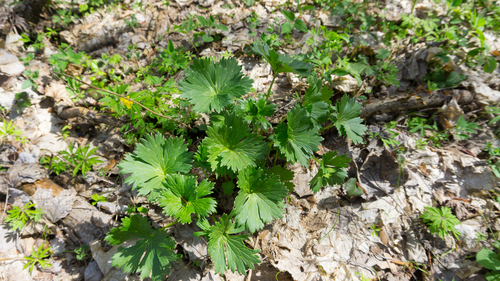
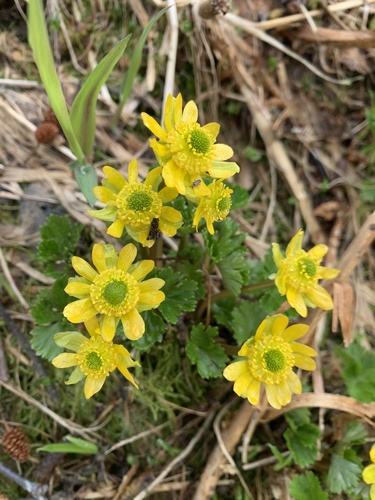
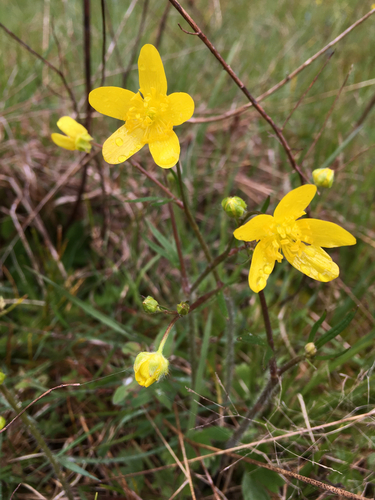
Photo of Ranunculus occidentalis Nutt. (Ranunculus occidentalis Nutt.)
Plantae ⚠️ Poisonous

Ranunculus occidentalis Nutt.

Ranunculus occidentalis Nutt.

Ranunculus occidentalis, the western buttercup, is a North American buttercup species with traditional indigenous uses.

Identify with AI — Offline
Family
Genus
Ranunculus
Order
Ranunculales
Class
Magnoliopsida

⚠️ Is Ranunculus occidentalis Nutt. Poisonous?

Yes, Ranunculus occidentalis Nutt. (Ranunculus occidentalis Nutt.) is classified as poisonous or toxic. Toxicity risk detected (mainly via ingestion); avoid direct contact and ingestion. Never consume or handle this species without proper identification by an expert.

About Ranunculus occidentalis Nutt.

Common Name and Classification

Ranunculus occidentalis, commonly known as the western buttercup, is a species of buttercup that grows in western North America.

Geographic Range

Its range stretches from Alaska, through British Columbia and Alberta, all the way south to central California.

Habitat and Elevation

This flower grows in open meadows, forests, and other generally flat areas, and it can be found at elevations up to 2,200 metres (7,200 ft).

Toxicity and Traditional Use

Aleut First Nations may have used juice from this plant as a poison; the plant’s toxicity comes from the compound protoanemonin.

Phenology Observation

Shasta First Nations observed that Ranunculus occidentalis blooms at the same time that summer salmon runs occur.

Traditional Food Use

The seeds of this species were used to make pinole, a traditional staple food.

Similar Species

The western buttercup is similar to the California buttercup (Ranunculus californicus), and the two species can sometimes be hard to tell apart.
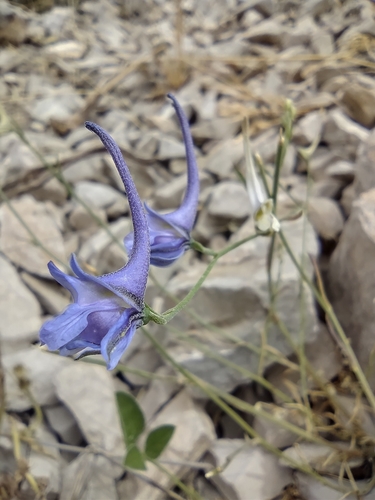
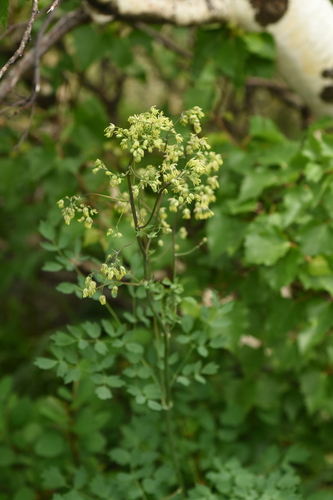
Photo: (c) Noelle Machnicki, all rights reserved, uploaded by Noelle Machnicki

Taxonomy

Plantae Tracheophyta Magnoliopsida Ranunculales Ranunculaceae Ranunculus
⚠️ View all poisonous species →

More from Ranunculaceae

Sources: GBIF, iNaturalist, Wikipedia, NCBI Taxonomy · Disclaimer

Start Exploring Nature Today

Download iNature for free. 10 identifications on us. No account needed. No credit card required.

App Store
Scan to download from App Store

Scan with iPhone camera

Google Play
Scan to download from Google Play

Scan with Android camera