About Quercus similis Ashe
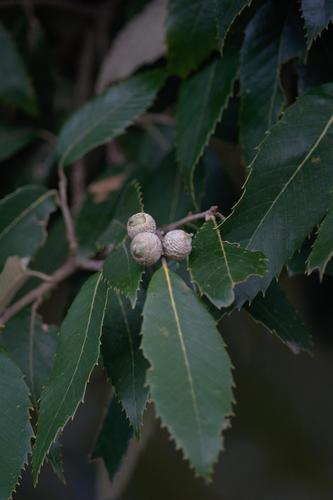
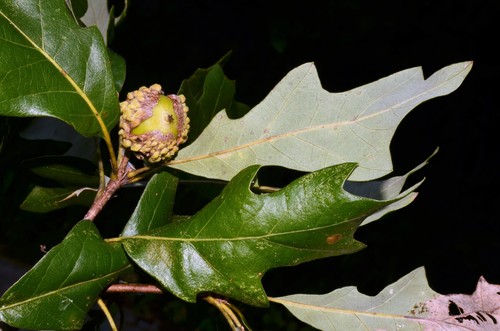
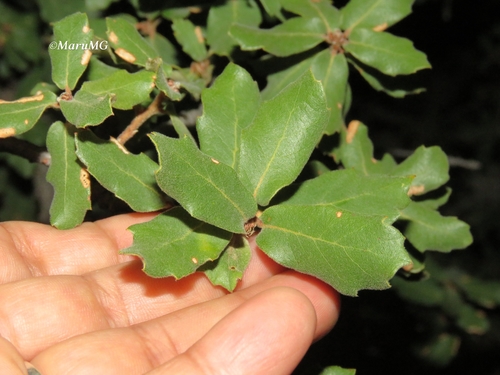
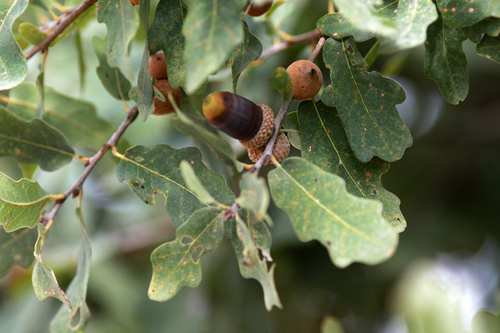
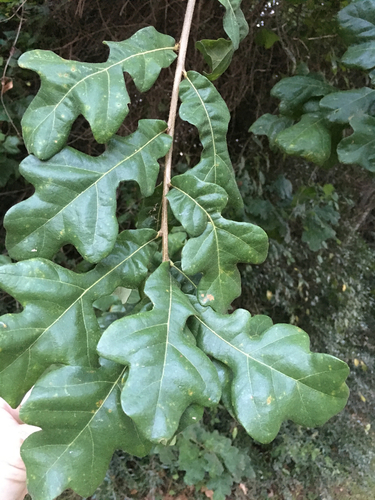
Quercus similis, commonly called the swamp post oak or bottomland post oak, is an oak species native to the southeastern and south-central United States. The highest concentration of its populations occurs in Louisiana, Arkansas, Mississippi, and eastern Texas, while isolated populations grow in Missouri, Alabama, and the Coastal Plain of Georgia and South Carolina. Quercus similis is a deciduous tree that can reach up to 25 meters (82 feet) in height, with a straight trunk. Its bark is brown and flaky. Mature branches are gray, and measure between 2 and 3 millimeters (1⁄16 and 1⁄8 inch) in diameter. The leaves of this species are between 8 and 12 centimeters (3 and 4+1⁄2 inches) long and 5 to 8 centimeters (2 to 3 inches) wide, and are generally roughly ovate in shape. The leaf apex is either acute or rounded, and the leaf base is tapered. Leaf margins are flat, with two or three pairs of shallow lobes on the apical half of the leaf. The upper leaf surface is shiny dark green, while the lower surface is gray, with between 3 and 5 pairs of leaf veins. The leaf petiole measures between 3 and 10 millimeters in length. Flowers of Quercus similis emerge in spring. Its acorns are between 1.2 and 1.6 centimeters (1⁄2 and 5⁄8 inches) long, oblong in shape, and dark brown in color. Acorns are produced either singly or in clusters of up to three.