About Pyrgus cinarae (Rambur, 1838)
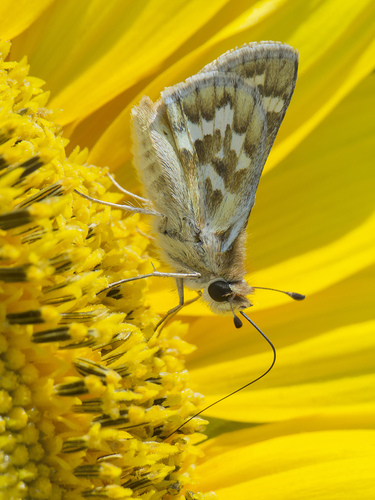
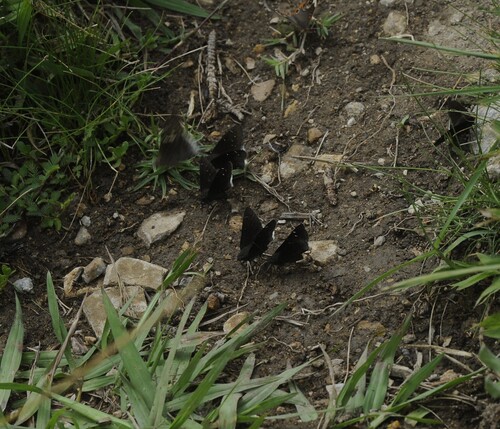
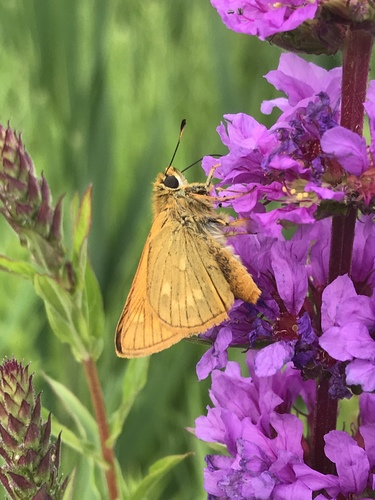
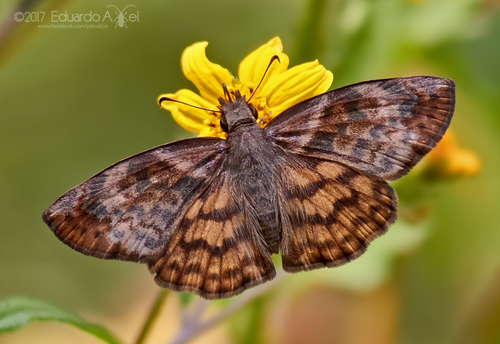
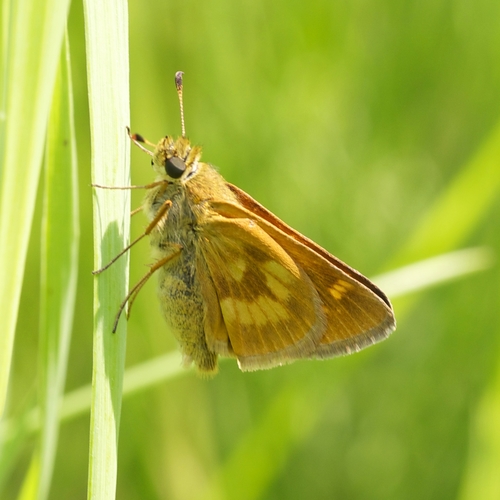
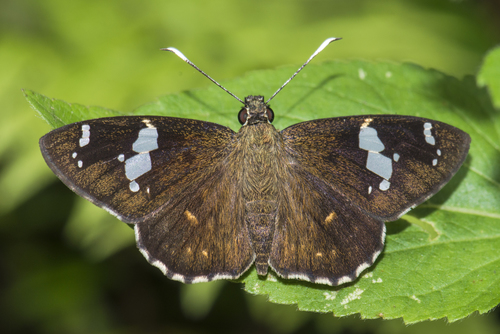
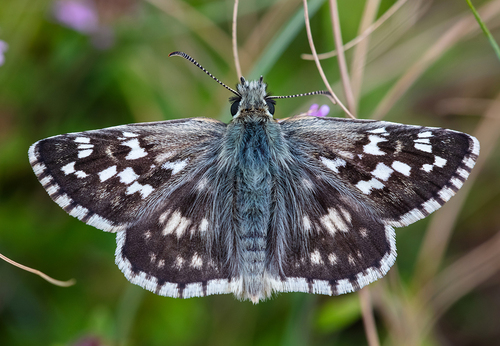
The sandy grizzled skipper, with the scientific name Pyrgus cinarae (Rambur, 1839), is a species of skipper in the family Hesperiidae. It has a restricted range in southeastern Europe, with a small relict population located in central Spain. Like many other species in the Pyrgus genus, this species can be difficult to identify in the field. It is quite large for its genus, with a wingspan of 30–32 mm. The underside of its hindwings are usually paler olive-brown than most of its related species, and have large white markings; identification generally requires close examination while holding the specimen.
In Seitz's work, the species is described as: H. cinarae Rambr. (= cynarae Frr.) (85 i). There is no marginal row on the forewing, but a very strongly developed median band on both wings, and the spots of this band are large and white. The underside of the hindwing is light yellowish green. The white discocellular spot is not prolonged forward. This species is found in South Russia, Bulgaria, Turkey, and Asia Minor, and flies in June. Adult sandy grizzled skippers are usually seen flying in June. Females lay their eggs on the flower buds of plants from the genus Potentilla, which serve as food for the caterpillars.