About Pterophylla camellifolia (Fabricius, 1775)
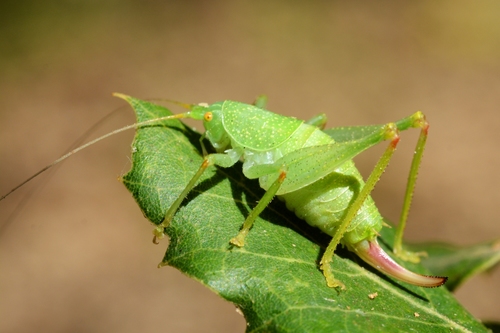
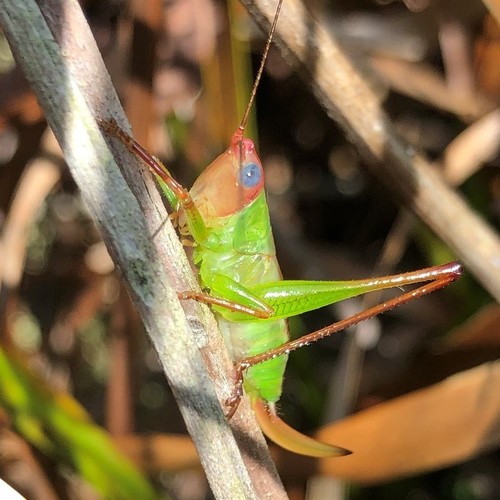
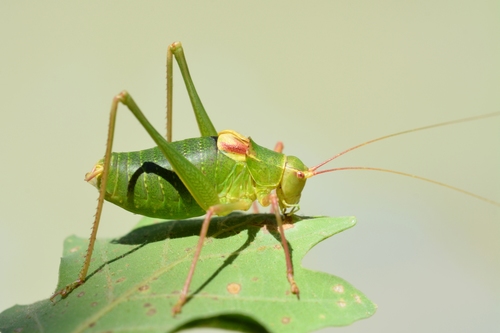
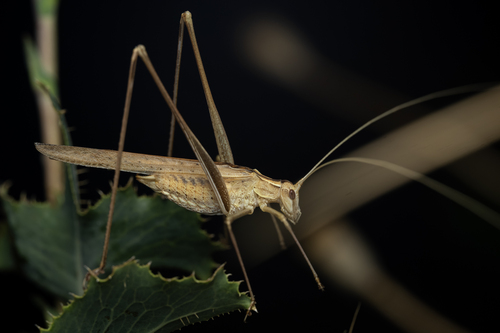
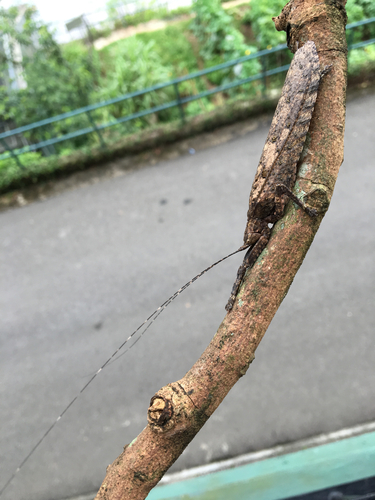
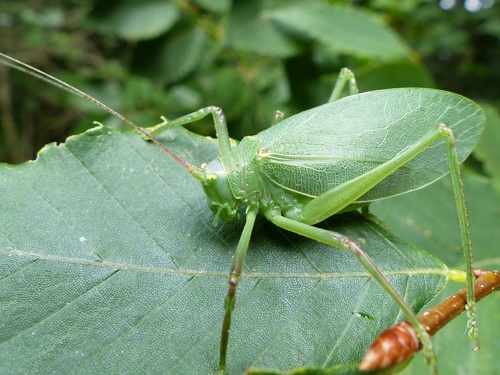
Pterophylla camellifolia, commonly known as the common true katydid, is a widespread North American insect. Its range covers southeastern Canada, extending through the eastern United States from Maine to Florida. This species is classified in the family Tettigoniidae (the katydid family), and within that family, it falls into the subfamily Pseudophyllinae, the group of true katydids. Additional common names for this species are northern true katydid and rough-winged katydid. Males of the nominate northern subspecies produce a loud, rasping song with three pulses, commonly transcribed as "ka-ty-did"; this song is the origin of the general vernacular name "katydid" used for all members of the Tettigoniidae family. This is a nearly flightless species. Unlike many other katydids, it typically walks, runs, or hops instead of making long leaps or flying. It inhabits the canopy of deciduous trees, where it feeds on tree foliage. Adults can grow up to 50 mm, or 2 inches, in total length.