About Pteris tremula R.Br.
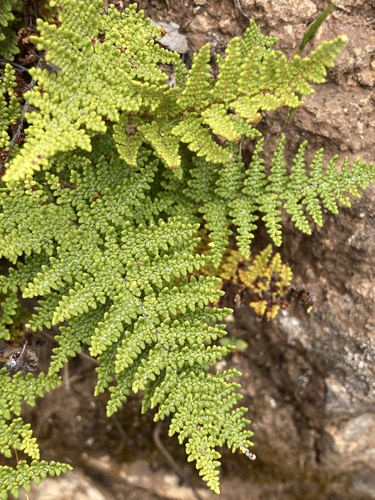
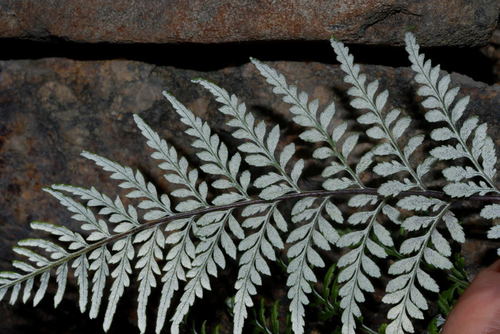
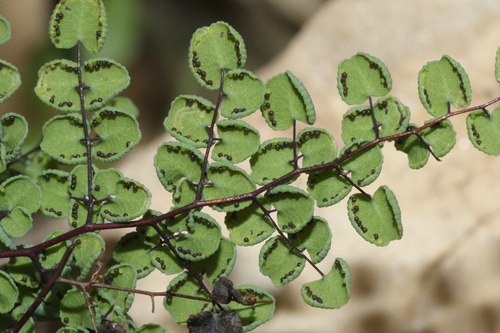
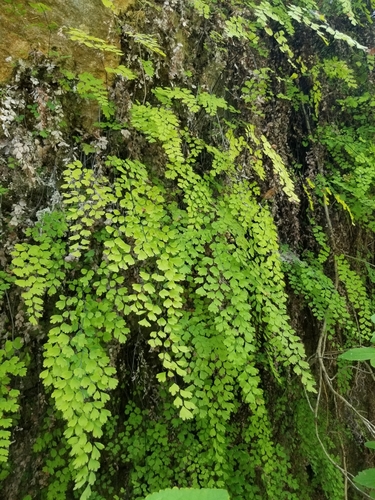
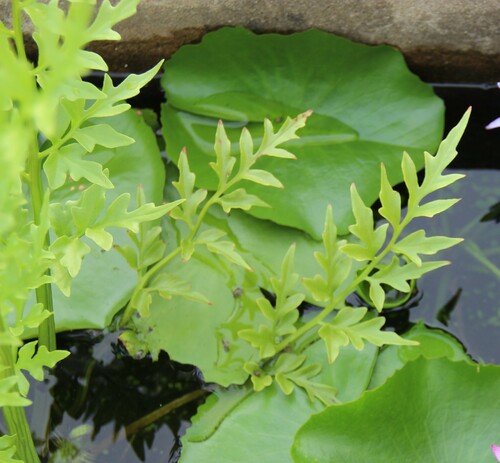
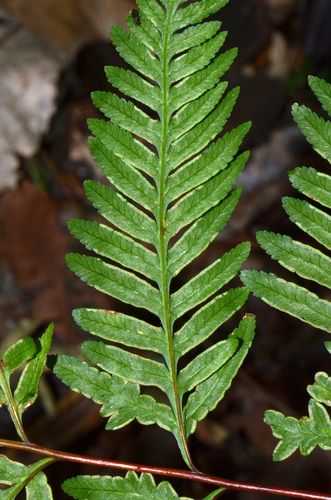
Pteris tremula R.Br. is a terrestrial fern with an erect, tufted rhizome covered in narrow brown scales. Its fronds grow upward from the ground, typically reaching up to 1.3 m (4.3 ft) tall, and rarely growing as tall as 2 m (6.6 ft). The stipe of the fern is brown. Its light green, lacy, compound fronds can be up to 2 m (6.6 ft) in length, and are 3-pinnate or more divided. Brownish sori line the margins on the undersides of the fronds. Unlike Pteris vittata and many other species in the Pteris genus, Pteris tremula cannot hyperaccumulate arsenic, and is damaged by arsenic levels as low as 25 mg/kg in soil. This plant contains two cytotoxic indanonic sesquiterpenes. In Australia, Pteris tremula occurs in Central Australia (Northern Territory), eastern South Australia, Queensland, eastern New South Wales, Victoria, and Tasmania. It is also native to Lord Howe Island, Norfolk Island, New Zealand, the Kermadec Islands, and Fiji. It grows in sheltered habitats within wet sclerophyll forest and rainforest. It has become naturalized in Argentina near the Río de la Plata. Pteris tremula is relatively easy to grow in home gardens, where it prefers a shady location. It grows best in soil with good drainage that also retains some moisture, and tolerates filtered morning light. It is a fast-growing species that has been recorded naturalizing in areas outside its native range. In the 1950s, it was reported to be the most commonly cultivated Pteris species in the United States of America.