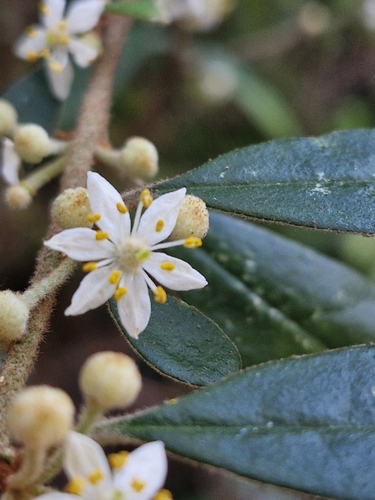
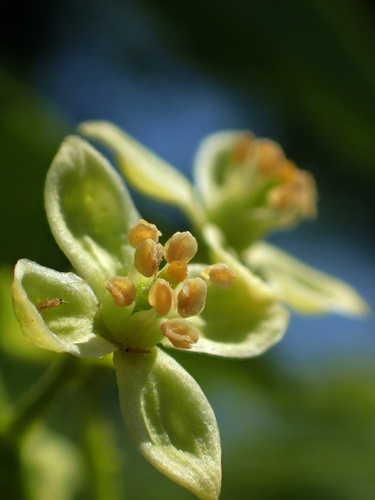
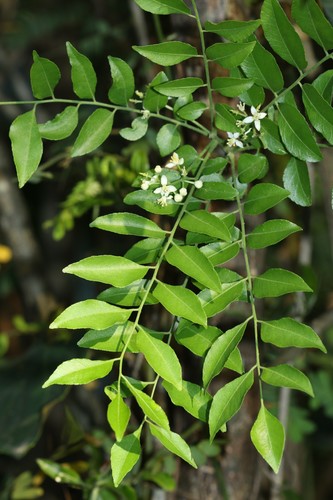
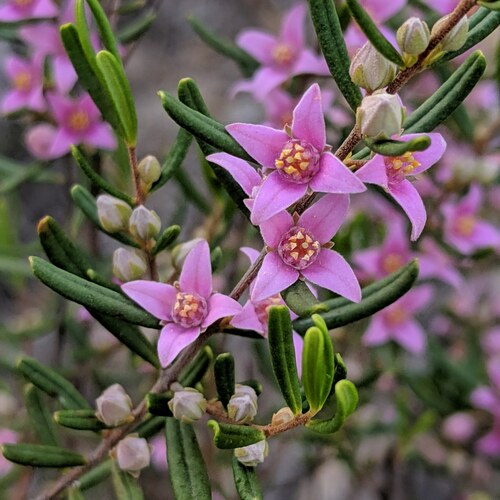
Ptaeroxylon obliquum (Thunb.) Radlk. is a plant in the Rutaceae family, order Sapindales, kingdom Plantae. Not known to be toxic.

Photo of Ptaeroxylon obliquum (Thunb.) Radlk. (Ptaeroxylon obliquum (Thunb.) Radlk.)
🌿 Plantae

Ptaeroxylon obliquum (Thunb.) Radlk.

Ptaeroxylon obliquum (Thunb.) Radlk.

Ptaeroxylon obliquum (sneezewood) is a deciduous tree/shrub with multiple traditional medicinal and ritual uses.

Family
Genus
Ptaeroxylon
Order
Sapindales
Class
Magnoliopsida
⚠️ Toxicity Note

Insufficient toxicity evidence; avoid direct contact and ingestion.

About Ptaeroxylon obliquum (Thunb.) Radlk.

Ptaeroxylon obliquum, commonly known as sneezewood, grows as a shrub or medium-sized deciduous tree, reaching a maximum height of 15 metres (49 feet). Its bark is whitish-grey and smooth when the tree is young, and becomes fissured as it ages. Its leaflets measure 2.5 cm by 1.3 cm and grow with an asymmetric shape. Leaflets range in color from blue-green to dark green, and three to seven pairs of leaflets crowd near the end of the leaf rachis. The tree produces white to creamy yellow, fragrant flowers. Sneezewood wood is very dense, with a specific gravity of 1040 kg/m3. Sneezewood has documented medicinal and ritual uses. Its bark can be used to repel moths, or processed to make snuff. The tree's resin has been used to remove warts and cattle ticks. The Xhosa people have a traditional practice of making snuff from sneezewood to relieve headaches.
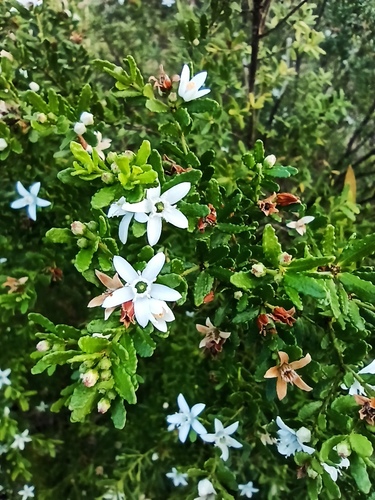
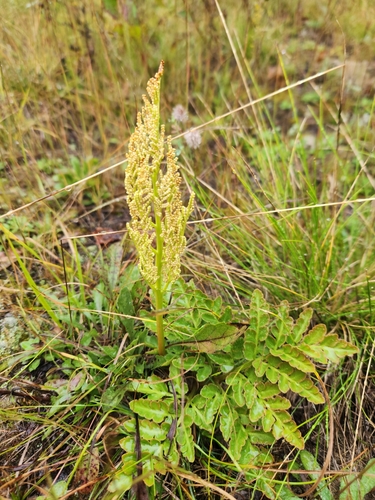
Photo: (c) anniekant, some rights reserved (CC BY-NC) · cc-by-nc

Taxonomy

Plantae Tracheophyta Magnoliopsida Sapindales Rutaceae Ptaeroxylon

More from Rutaceae

Sources: GBIF, iNaturalist, Wikipedia, NCBI Taxonomy · Disclaimer

Identify Ptaeroxylon obliquum (Thunb.) Radlk. instantly — even offline

iNature uses on-device AI to identify plants, animals, fungi and more. No internet needed.

Download iNature — Free

Start Exploring Nature Today

Download iNature for free. 10 identifications on us. No account needed. No credit card required.

Download Free on App Store