All Species Plantae

Psilostrophe cooperi (A.Gray) Greene is a plant in the Asteraceae family, order Asterales, kingdom Plantae. Toxic/Poisonous.

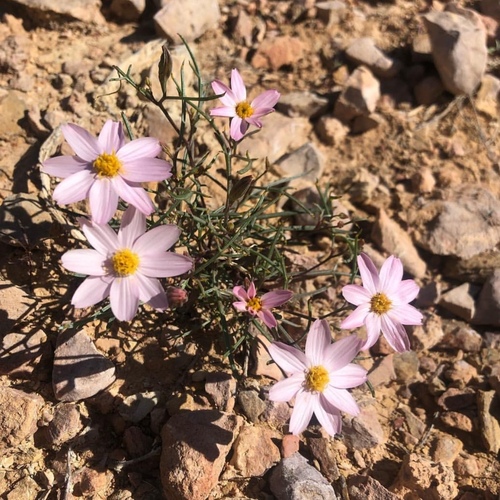
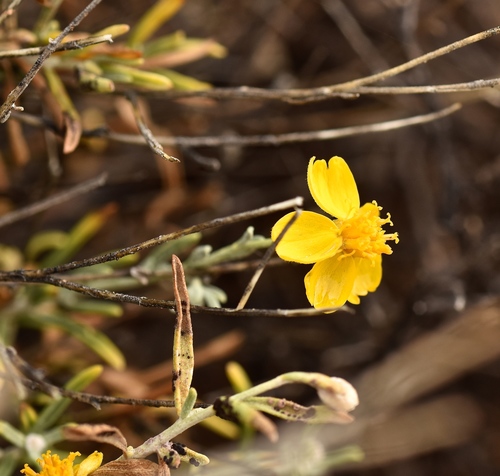
Photo of Psilostrophe cooperi (A.Gray) Greene (Psilostrophe cooperi (A.Gray) Greene)
Plantae ⚠️ Poisonous

Psilostrophe cooperi (A.Gray) Greene

Psilostrophe cooperi (A.Gray) Greene

Psilostrophe cooperi is a low perennial shrub with yellow daisy-like flower heads, native to dry areas. Related species are poisonous to livestock.

Identify with AI — Offline
Family
Genus
Psilostrophe
Order
Asterales
Class
Magnoliopsida

⚠️ Is Psilostrophe cooperi (A.Gray) Greene Poisonous?

Yes, Psilostrophe cooperi (A.Gray) Greene (Psilostrophe cooperi (A.Gray) Greene) is classified as poisonous or toxic. Toxicity risk detected (mainly via ingestion); avoid direct contact and ingestion. Never consume or handle this species without proper identification by an expert.

About Psilostrophe cooperi (A.Gray) Greene

Scientific Name and Growth Form

Psilostrophe cooperi (A.Gray) Greene is a perennial shrub that grows up to 50 centimetres (20 inches) tall. Its stems grow from a woody base to form a nearly spherical shape.

Foliage Characteristics

It is a low, spreading bush with pale green, hairy foliage. It is drought deciduous, meaning it drops its leaves during periods of drought.

Leaf Arrangement

Its linear leaves grow in an alternate arrangement.

Flower Head Structure

The daisy-like flower heads hold 3 to 8 deeply toothed golden-yellow ray florets. The flower heads are often clustered together at the tops of the stems in a rounded spray.

Dried Flower Traits

The ray flowers remain on the plant for some time, then dry out and become papery while retaining their yellow color. The three-toothed corollas of the dried ray flowers fold back over the phyllaries.

Related Species Toxicity

Several related species are poisonous to livestock.
Photo: (c) lonnyholmes, some rights reserved (CC BY-NC), uploaded by lonnyholmes · cc-by-nc

Taxonomy

Plantae Tracheophyta Magnoliopsida Asterales Asteraceae Psilostrophe
⚠️ View all poisonous species →

More from Asteraceae

Sources: GBIF, iNaturalist, Wikipedia, NCBI Taxonomy · Disclaimer

Start Exploring Nature Today

Download iNature for free. 10 identifications on us. No account needed. No credit card required.

App Store
Scan to download from App Store

Scan with iPhone camera

Google Play
Scan to download from Google Play

Scan with Android camera