About Pseudochorthippus parallelus (Zetterstedt, 1821)
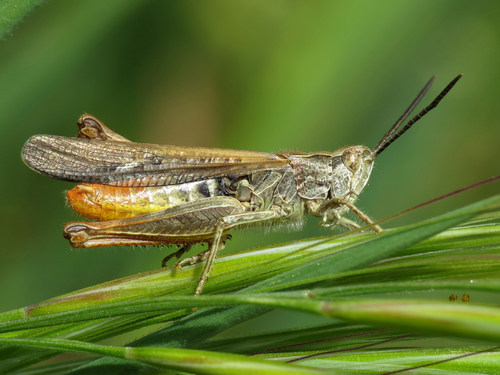
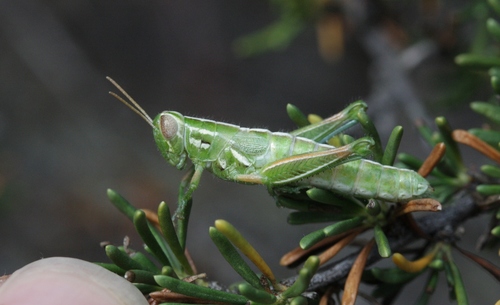
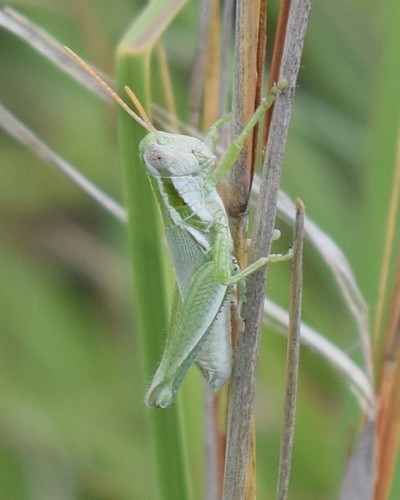
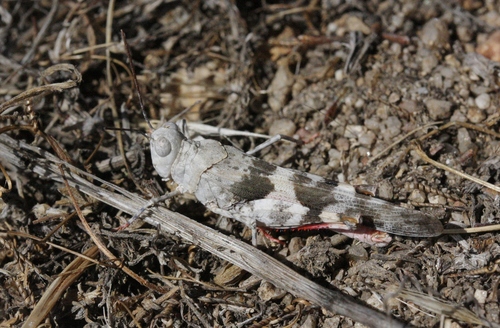
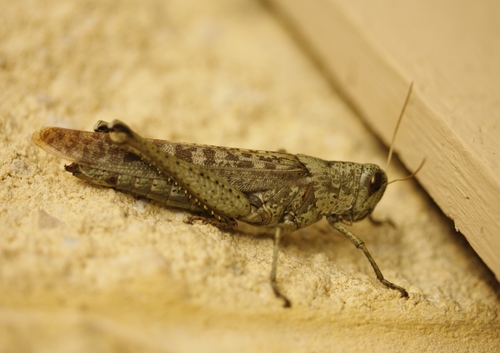
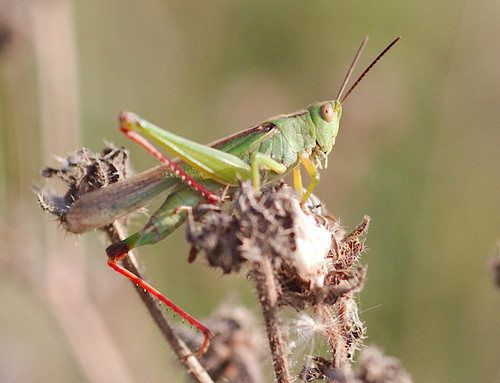
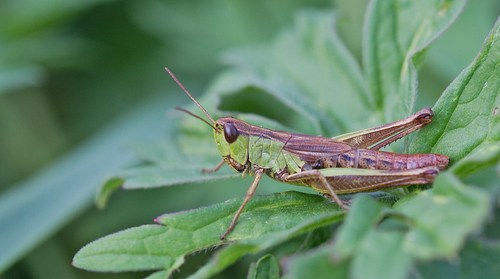
Pseudochorthippus parallelus (Zetterstedt, 1821), often referenced by its synonym Chorthippus parallelus and commonly called the meadow grasshopper, is a common grasshopper species belonging to the tribe Gomphocerini. It occurs in non-arid grasslands across well-vegetated regions of Europe and some adjacent areas of Asia. This species is a well-researched organism in evolutionary biology, and was an early, important model system for the study of European phylogeography. The meadow grasshopper’s range stretches from the Atlantic coast of Europe, including the British Isles, east to the Urals. Its distribution extends from Scandinavia in the north, south to southern Spain and Anatolia. It prefers moist vegetation. In southern regions, it typically occurs in river valleys and at high altitudes up to around 2000 m, and it is not found in arid areas. Due to the high population density of this insect in Western Europe, some researchers have suggested it could be used as a human food source. By dry weight, these insects contain 69% protein, and have an excellent amino acid profile and good digestibility. However, Aman Paul and his colleagues have noted that thorough testing is required to identify any potential toxic or allergic effects from consumption, before this insect can be approved as a human food source.