About Protolampra sobrina Duponchel, 1843
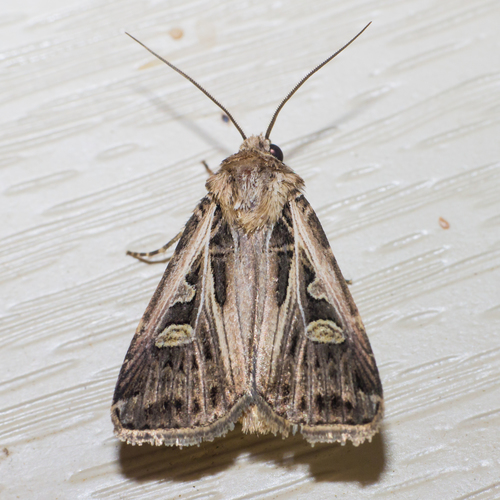
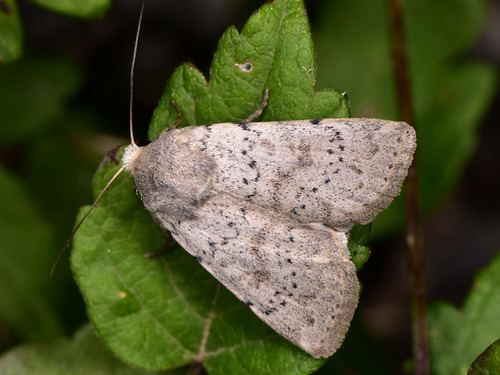
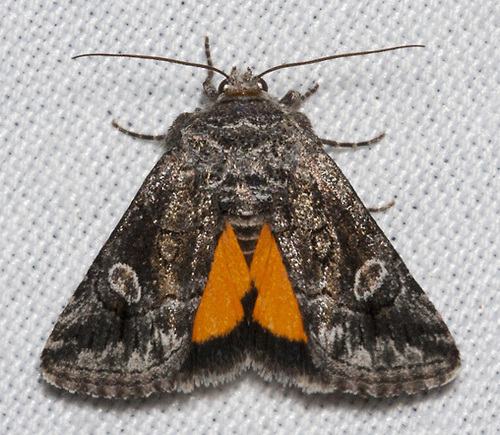
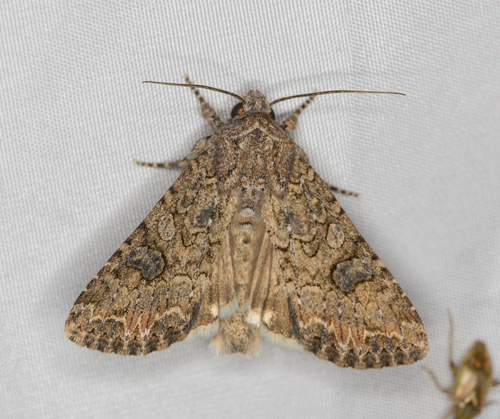
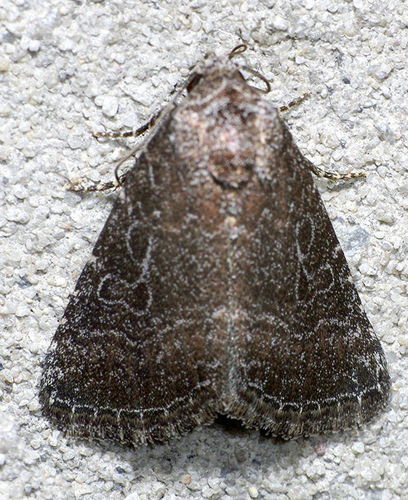
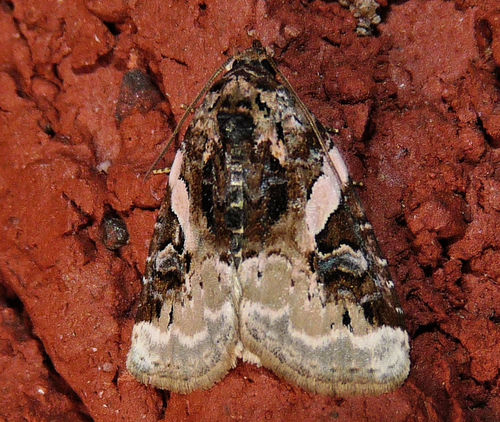
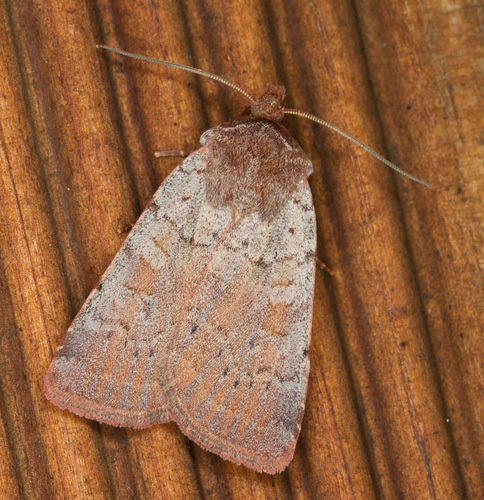
Protolampra sobrina, commonly known as the cousin german, is a moth species belonging to the family Noctuidae. This species was first formally described by Philogène Auguste Joseph Duponchel in 1843. It is distributed across most of Europe, extending east through the Palearctic region to Siberia, the Altai Mountains, Irkutsk, Kamchatka, and Korea. The wingspan of adults ranges from 34 to 39 mm. Meyrick's morphological description of the species is as follows: male antennae are shortly ciliated. The head is a deep ferruginous-red color. Forewings are a rather dark purplish-brown; the wing lines have very indistinct darker margins, with a faintly darker median shade; the orbicular and reniform spots have indistinct darker outlines, and the lower end of the reniform spot is darker; the subterminal line is somewhat paler. Hindwings are light fuscous, becoming darker toward the terminal margin. Full-grown larvae are brownish-red, with grey-freckled sides; the dorsal and subspiracular lines are pale; the body dots are minute and black; the head is brownish ochreous.