About Progomphus borealis McLachlan, 1873
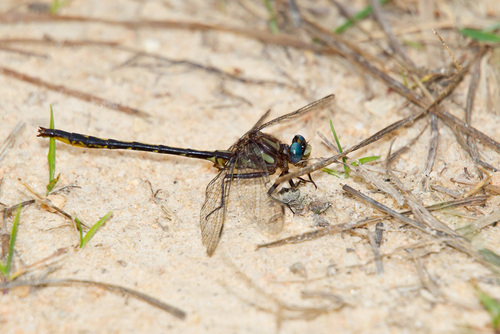
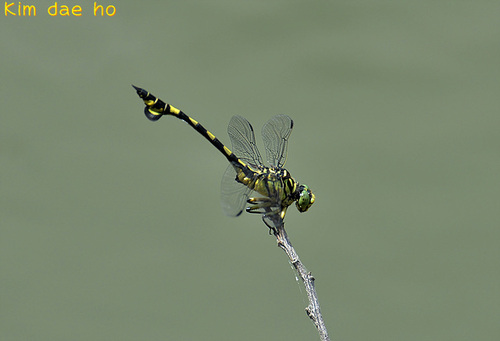
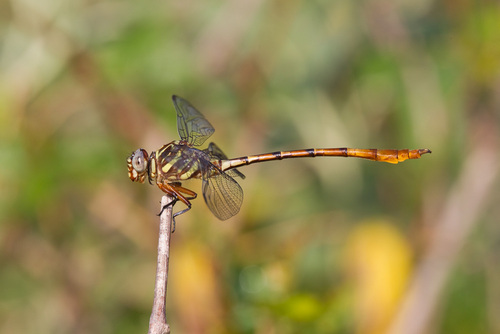
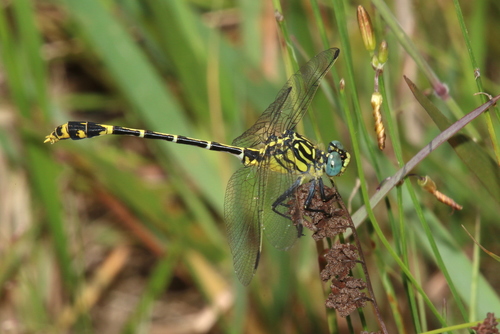
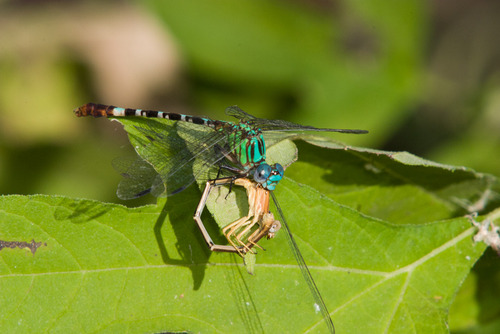
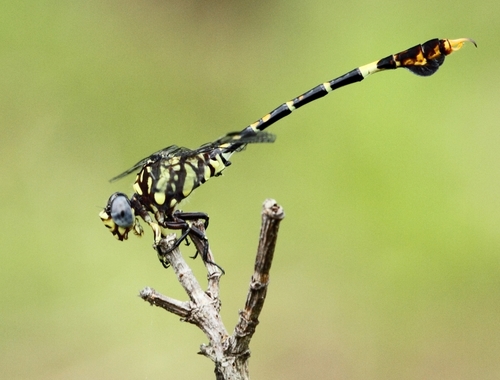
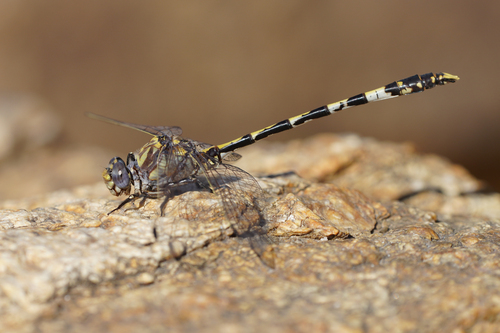
Progomphus borealis is a species of dragonfly in the family Gomphidae, commonly known as the gray sanddragon. Gray sanddragons are distributed across Arizona, California, Chihuahua, Idaho, Jalisco, New Mexico, Oregon, Texas, the U.S. Virgin Islands, and Washington. In Idaho, they are found only at desert streams in the southwest corner of the state. Their typical habitat is along sandy streams, rivers, and lakes located in desert areas. Nymphs of this species often burrow under sandy sediment, and will swim upstream to escape drought. Nymphs are very selective about their habitat, and often only occur in specific stretches of a particular river or stream. When they burrow into sand, the upturned tip of their abdomen stays exposed. This adaptation lets them breathe while buried, by pumping water in and out through the abdominal tip. Unlike most other dragonfly species, gray sanddragon nymphs emerge as adults during the day. While records for this species are sparse, adult gray sanddragons are thought to fly from early June to September. They cannot tolerate cooler temperatures, and are rarely seen flying on cool or cloudy days. After mating, the female flies alone with no male attached, and lays her eggs by dipping the tip of her abdomen into the shallows of small streams while hovering above the water.