About Pometia pinnata J.R.Forst. & G.Forst.
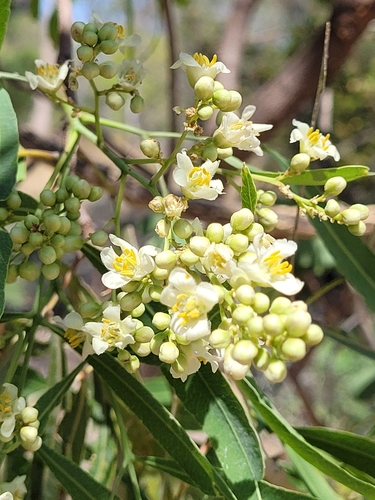
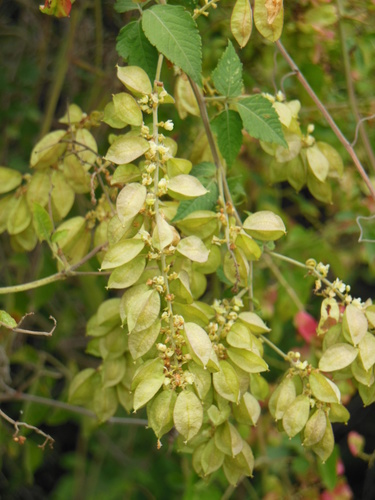
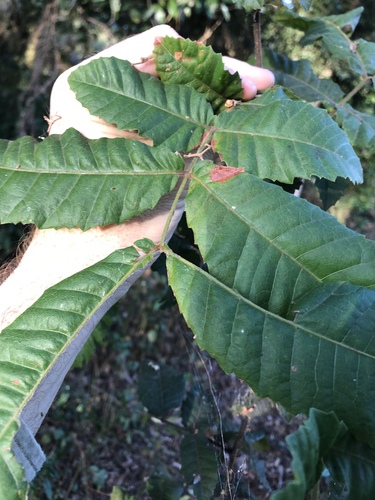
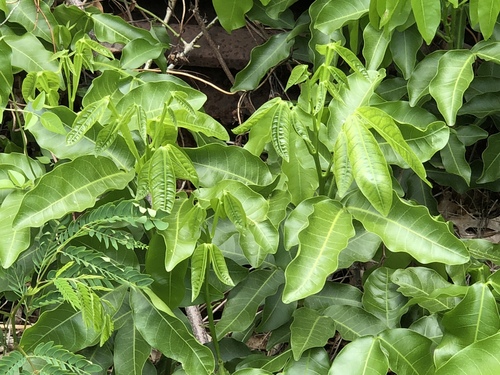
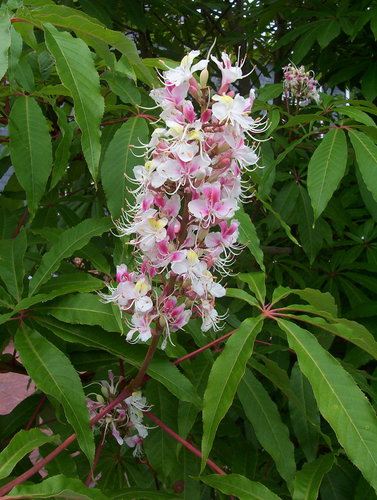
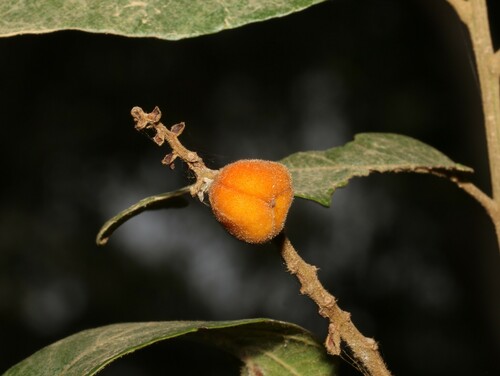
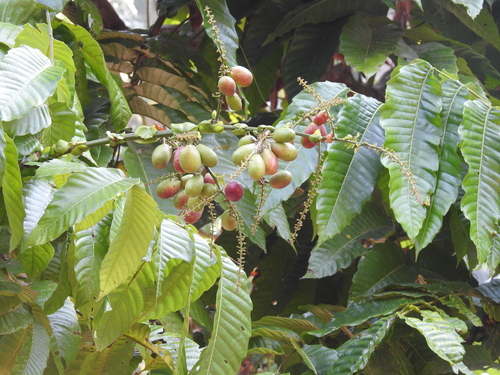
Pometia pinnata J.R.Forst. & G.Forst. is a hardwood tree species that grows across a wide variety of habitats and vegetation types. Mature trees reach 12 to 20 metres (39 to 66 ft) in height, with canopies 10 to 20 m (33 to 66 ft) wide. It has an average annual growth rate of 1 to 2 m (3.3 to 6.6 ft). Its canopy is formed by lush evergreen leaves that create broad coverage. This species is both flowering and fruiting, producing blooms that range in color from white to green-yellow. Male and female flowers are similar in size and color, making them difficult to tell apart. Flowers grow on long stalks that are 2 to 2.5 millimetres (0.08 to 0.10 in) long, and all flowers have the potential to develop into fruit. The fruiting process takes 2 to 3 months; developing fruit is green-yellow, and underdeveloped fruit is tough and fleshy. When fully ripe and edible, fruit turns red-black and softens in texture. Pometia pinnata is self-pruning and can reproduce rapidly, even in tropical forests. Pometia pinnata is a widespread timber tree. Its native range extends from Sri Lanka and the Andaman Islands through Southeast Asia, and it also grows naturally in New Guinea and other Pacific islands. It is native across the entire island of Borneo, with an overall native natural distribution in the Asian-Pacific region. It grows naturally in warm to hot, humid subtropical and tropical climates, typically at elevations between 0 and 500 m (0 and 1,640 ft), and requires annual rainfall between 1,500 and 5,000 mm (59 and 197 in). Its distribution has expanded to new areas including New Caledonia, eastern Polynesia, and North Pacific islands such as Hawaiʻi, but it is not considered an invasive species.