About Polygonum equisetiforme Sm.
Classification and Habitat
Polygonum equisetiforme, commonly known as knotweed or wireweed, is a perennial herbaceous plant belonging to the family Polygonaceae. Native to North America, it thrives in wetlands, marshes, and along the banks of streams and rivers.
Stem and Leaf Features
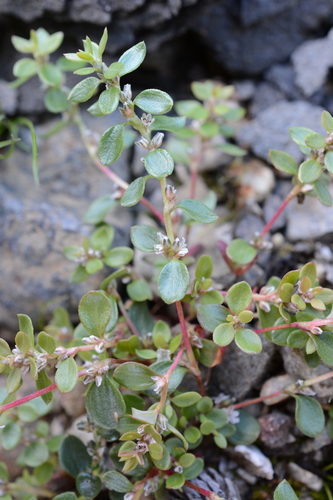
The plant features a slender stem that can grow up to 1 meter in height, with small green leaves arranged alternately along its length.
Flower Characteristics
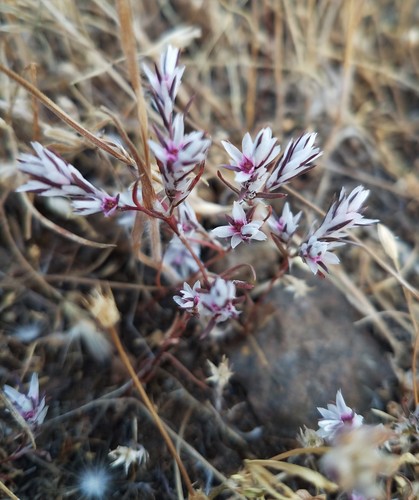
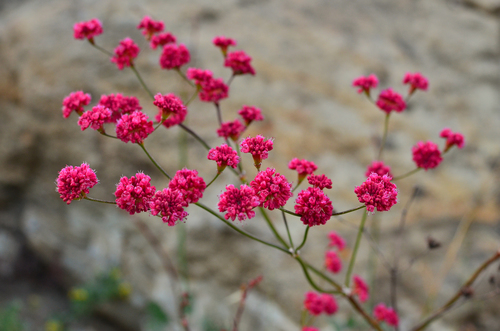
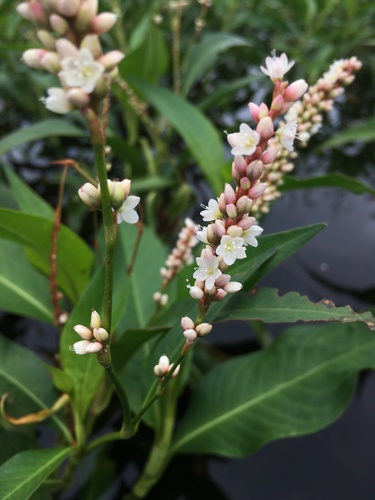
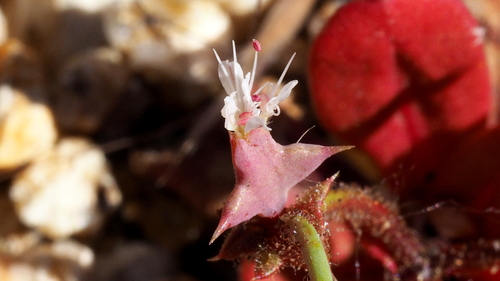
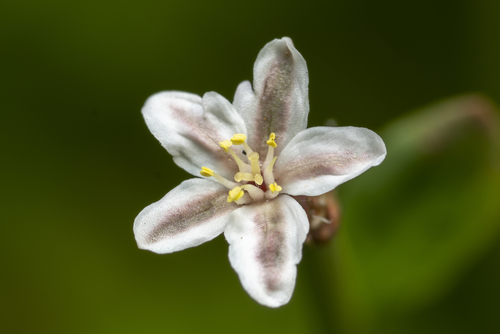
The flowers of Polygonum equisetiforme are small and pinkish-white, featuring five petals clustered at the end of each stem. The plant blooms from June to September.
Traditional Medicinal Use
Native Americans have used knotweed for medicinal purposes for centuries, employing it as an herbal remedy for ailments such as diarrhea, dysentery, fever, and inflammation.
Ecological Role
Beyond its medicinal properties, knotweed plays an important ecological role by providing habitat for various species of birds and insects.
Invasive Traits
However, it can also be considered invasive due to its ability to spread rapidly through rhizomes (underground stems), making it difficult to control once established.
Summary
Overall, Polygonum equisetiforme is an intriguing plant with both ecological significance and potential medicinal uses. However, it should be monitored carefully if introduced into new areas due to its invasive tendencies.