About Polygonia egea (Cramer, 1779)
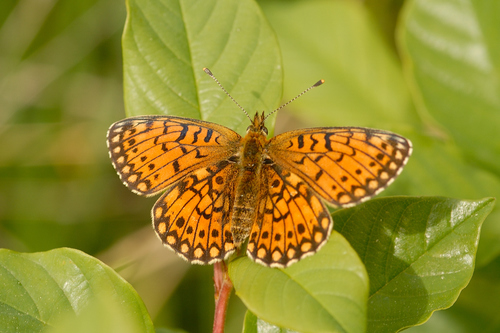
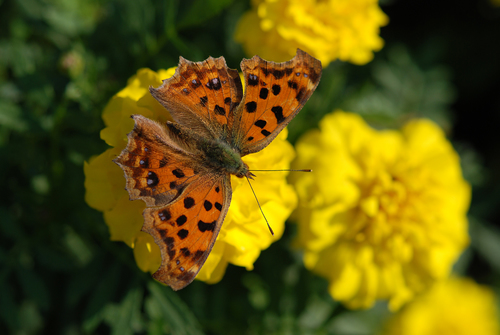
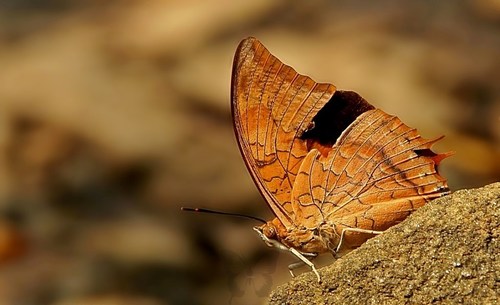
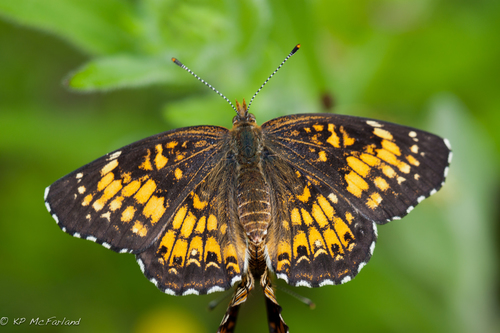
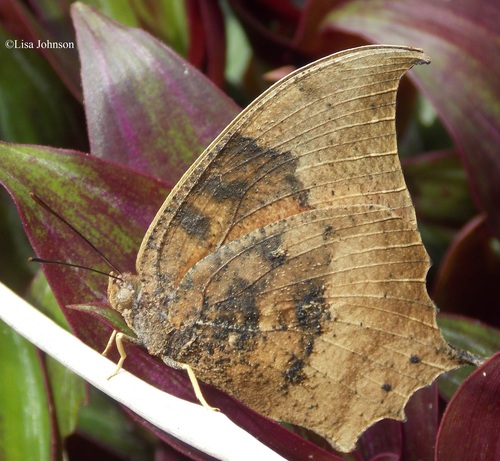
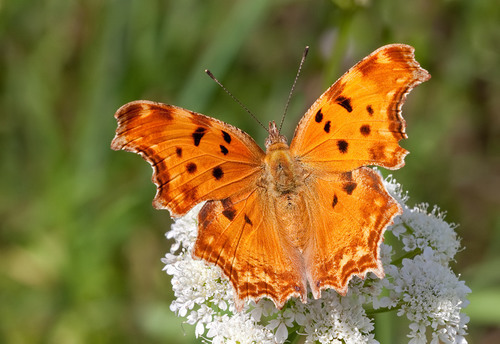
This species, Polygonia egea (Cramer, 1779), is also known by the synonyms triangulum F., i album Esp., with the female additionally called vau album Esp. It is similar to Polygonia c-album, but has narrower, more strongly toothed wings. The underside of its wings has thinner marbling and fine line markings, and a white angled, hook-shaped, or J-shaped mark sits in the center of the underside of the hindwing. The standard-form female, which flies at the same season as the nymotypical male, has less sharply toothed wings, a paler overall color, and markings that are less prominent and sparser. The aberration autumnalis Curo, figured as j-album, is the autumn generation of this species. It has more strongly angled wings, a darker ground color, very prominent spots, a darkened distal margin on both wings, and distinct though small isolated light submarginal spots on the hindwing, along with a darkened wing underside. The larvae of this species feed on Picrataria diffusa Keh. (Urticaceae) in July and October; other reported food plants include Ulmus, Urtica, Ribes, Lonicera, and Corylus, per Spuler. Mature larvae are blackish or slaty grey, with yellow and black bands. Their body is covered in fine white hairs and dark branched spines. On the dorsal side, pairs of large bluish-black spots sit against a pale background. The spiracles are outlined with yellowish color, and a reddish-yellow stripe runs beneath the spiracles. The head is heart-shaped, with two spine-like projections. The pupa is grey-brown, has tubercles on its upper surface, lacks metallic spots, and does not have an extended head.