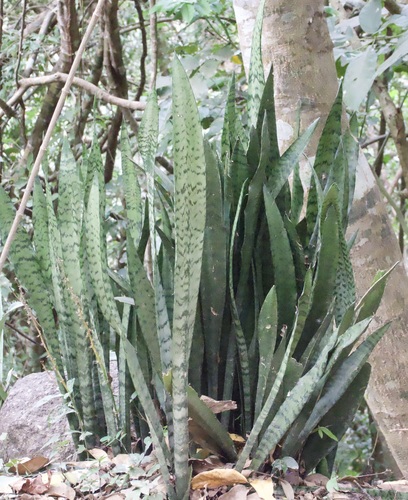
About Polygonatum odoratum (Mill.) Druce
Polygonatum odoratum (Mill.) Druce is a colonizing herbaceous perennial that grows 85 cm (33 in) tall and 30 cm (12 in) wide. It has arching stems bearing alternate, simple leaves. Its scented tubular flowers, which are white with green tips, bloom in spring and hang from the underside of stems. This species produces fruits that persist for an average of 68.4 days, with an average of 2.6 seeds per fruit. Fruits are on average 80.9% water; their dry weight is composed of 21.9% carbohydrates and 1.7% lipids. In terms of safety, scattered raphides are only found in the cortex, the outer layer of its rhizome. Like its relative lily of the valley, Polygonatum odoratum is cultivated in moist, shaded locations, where it spreads via underground stolons. Known cultivars of this species include 'Flore pleno' and 'Variegatum'. Polygonatum odoratum is used in traditional Chinese medicine (where it is called yùzhú 玉竹) and Traditional Korean medicine (where it is called dunggulle 둥굴레). In Korea, the root of this plant is used to make tea. This plant species is documented in Pius Font i Quer's work Plantas Medicinales (medicinal plants). According to this text, the plant's rhizome contains asparagine, mucilage, a cardio-tonic glycoside, saponin, and quinine gluconate. It has been used to treat intestinal problems, pain, rheumatism, gout, and water retention, and as a diuretic. Font i Quer notes that scientific medicine has used this plant to treat diabetes, and also documents a digestive liquor made using this species' rhizome. The young shoots of Polygonatum odoratum can be boiled and served similarly to asparagus. Stems, leaves, and berries must be approached with caution, as they are thought to be toxic if eaten in large quantities.