About Polistes aurifer de Saussure, 1853
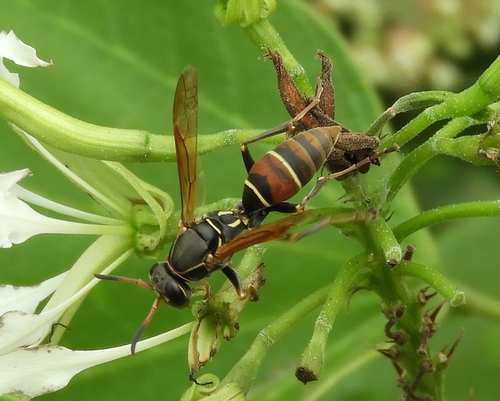
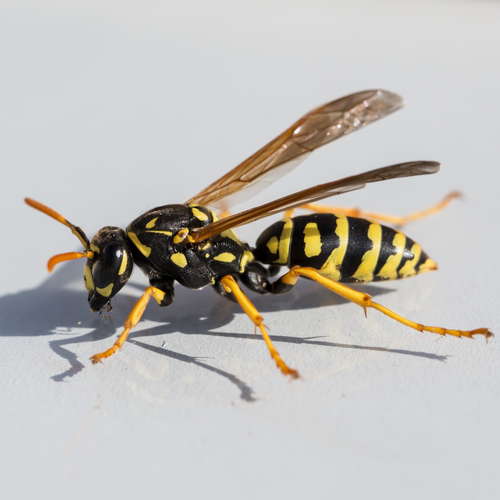
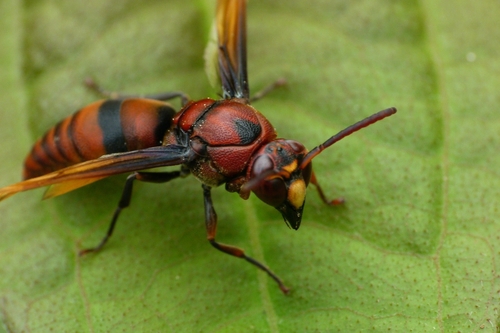
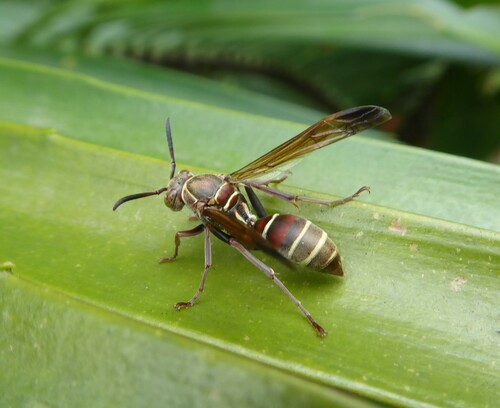
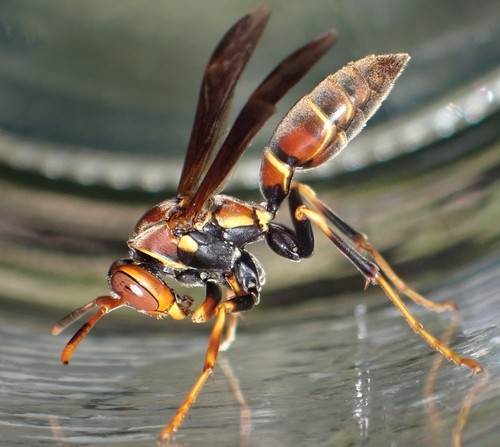
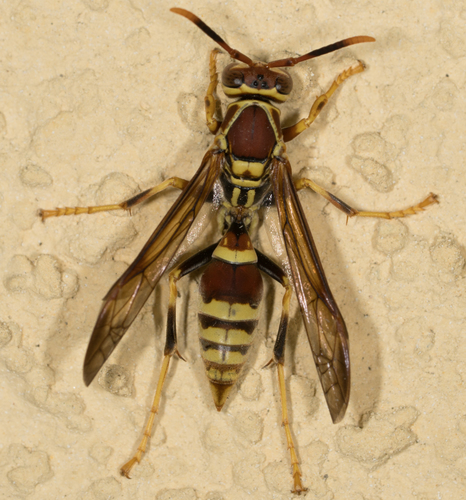
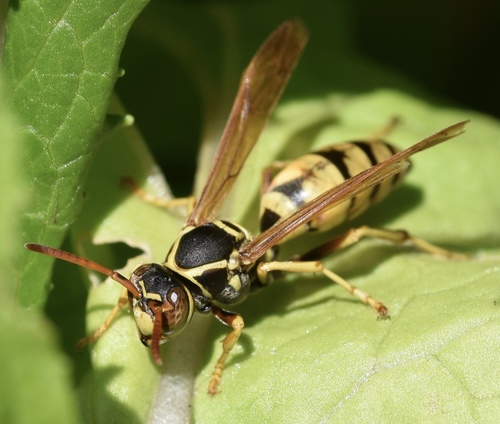
Male genital morphology is highly diagnostic for Polistes aurifer de Saussure, 1853. This species displays intergrading geographic variation in its color patterns. Northern specimens are often mostly black, with extensive yellow markings and very limited ferruginous (rusty red) coloration. In populations from the southwestern United States, individuals with an almost entirely yellow metasoma are more common. In some populations across the southern United States and northwestern Mexico, ferruginous color is dominant, with black color severely restricted.
In Canada, this species has been recorded in the southernmost regions of British Columbia (including southern Vancouver Island), Alberta, and Saskatchewan. In the United States, it has been recorded in Arizona, California, Colorado, far western North Dakota, western South Dakota, Idaho, westernmost Kansas, Montana, western Nebraska, Nevada, New Mexico, Oregon, far western Texas, Utah, Washington, and Wyoming (with a single record from far northwestern Wyoming). In Mexico, it has been observed in the states of Baja California, Baja California Sur, Chihuahua, Coahuila, Nuevo León, and northern Sonora. Adventive populations have also been recorded in Hawaii, Johnston Atoll, Niihau, and the Society Islands. A single specimen was collected on Prince Edward Island in 1973.
This is an eusocial wasp that builds nests in sheltered locations. Adult activity periods vary by location: adults can be seen from January to November in more southern locations such as California or Arizona, from April to October in the northern part of the range in British Columbia, from April to November in higher elevation and continental areas such as Colorado, and have an even more restricted flight season in northern continental areas such as Alberta or Saskatchewan. It is parasitized by the endoparasitoid Xenos peckii and an unidentified Gordius horsehair worm species.