Poisonous & Toxic Species
Never touch, taste, or consume any species you cannot positively identify. This guide is for educational purposes only. When in doubt, consult a local expert. Use the iNature app for quick AI-powered identification in the field.
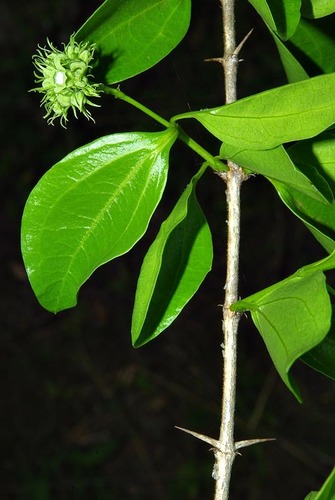
Spiny monkey orange
Strychnos spinosa Lam.
Strychnos spinosa, the Natal orange, is an African tree with edible fruit that is used in Nigerian traditional medicine.
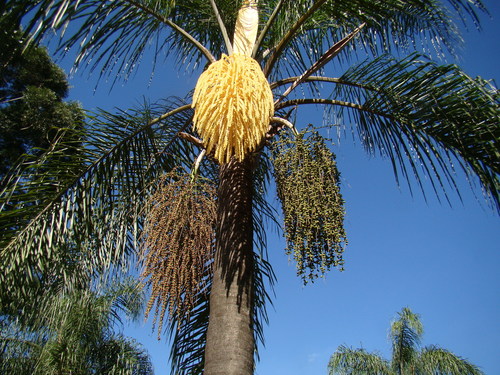
Queen palm
Syagrus romanzoffiana (Cham.) Glassman
Syagrus romanzoffiana, the queen palm, is a South American ornamental palm with documented wildlife interactions and human uses.
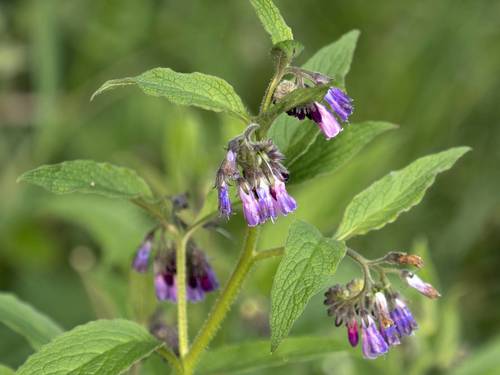
common comfrey
Symphytum officinale L.
Symphytum officinale (comfrey) is a mildly toxic perennial herb with a history of edible and traditional medicinal use.
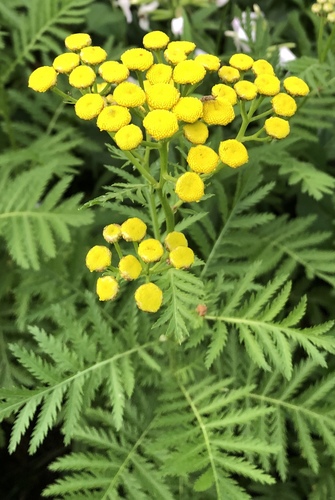
tansy
Tanacetum vulgare L.
Tanacetum vulgare (tansy) is a toxic Eurasian herb with a long history of medicinal, culinary, and other human uses.
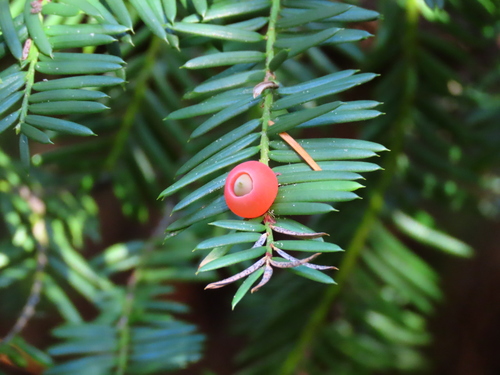
Pacific yew
Taxus brevifolia Nutt.
Pacific yew (Taxus brevifolia Nutt.) is a slow-growing Pacific Northwest conifer, source of the chemotherapy drug paclitaxel.
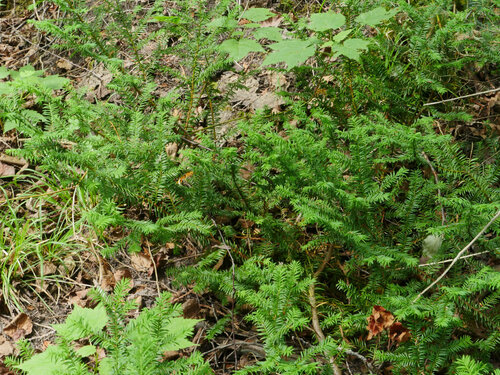
Canada yew
Taxus canadensis Marshall
Taxus canadensis (Canadian yew) is a toxic, mostly low-growing North American yew harvested for cancer-relevant taxanes.
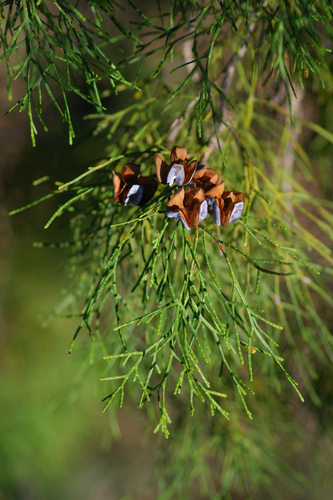
sandarac tree
Tetraclinis articulata (Vahl) Mast.
Tetraclinis articulata is a small conifer native to the western Mediterranean, harvested for resin and decorative burl wood.
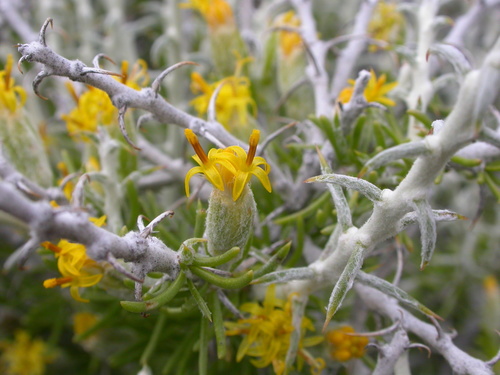
Shortspine Horsebrush
Tetradymia spinosa Hook. & Arn.
Tetradymia spinosa, shortspine horsebrush, is an extremely toxic flowering shrub native to the western United States.
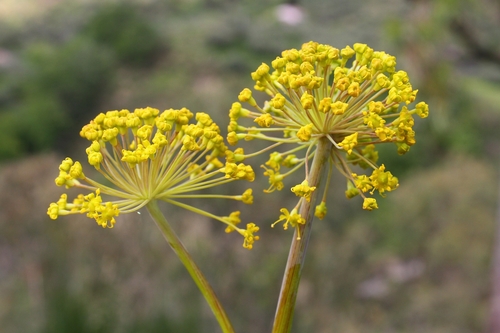
Italian Thapsia
Thapsia garganica L.
Thapsia garganica is a Mediterranean perennial flowering plant in the carrot family, with two accepted subspecies.
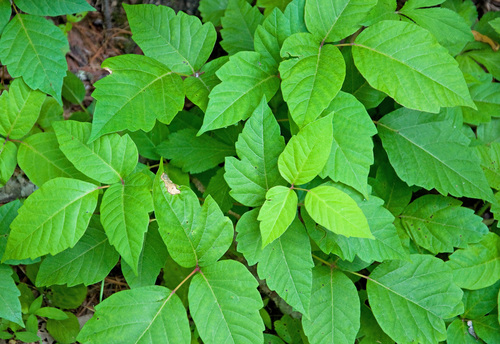
eastern poison ivy
Toxicodendron radicans (L.) Kuntze
Toxicodendron radicans, poison ivy, is a toxic North American plant that causes allergic contact dermatitis via urushiol.
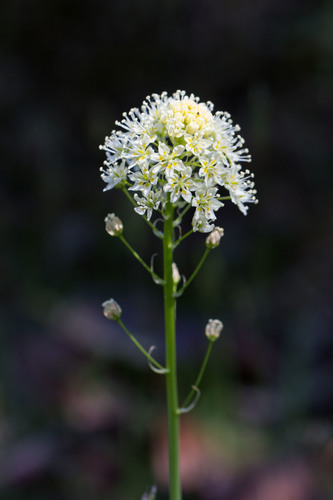
Meadow Deathcamas
Toxicoscordion venenosum (S.Watson) Rydb.
Toxicoscordion venenosum (meadow death camas) is a highly toxic North American bulb plant pollinated by a toxin-tolerant specialist bee.
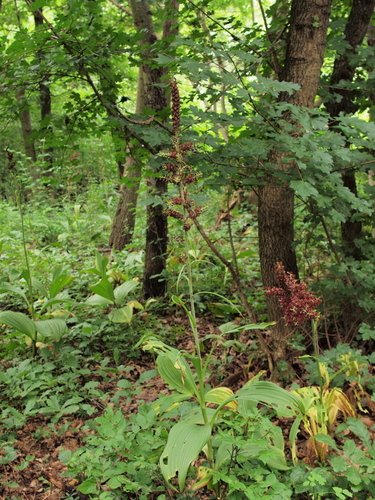
Black False-hellebore
Veratrum nigrum L.
Veratrum nigrum L. is a toxic Eurasian flowering plant, used ornamentally and studied for potential medicinal uses.
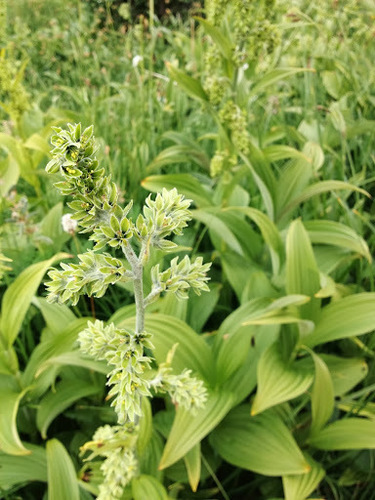
green false hellebore
Veratrum viride Aiton
Veratrum viride Aiton is a toxic herbaceous North American perennial, historically used to treat high blood pressure.
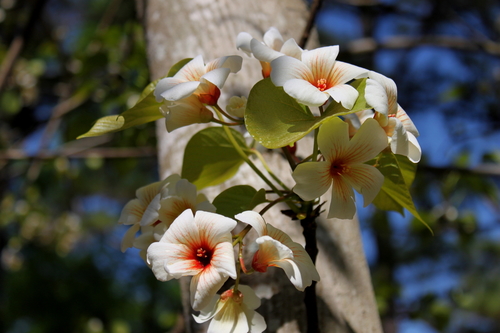
tung oil tree
Vernicia fordii (Hemsl.) Airy Shaw
Vernicia fordii, the tung tree, is a deciduous tree cultivated for commercially valuable tung oil, and is invasive in Florida.
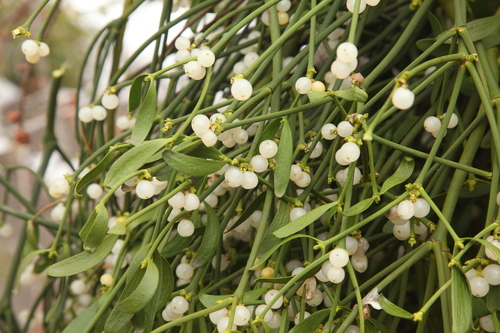
European mistletoe
Viscum album L.
Viscum album (European mistletoe) is a hemi-parasitic evergreen shrub toxic to humans, used in European herbal medicine.
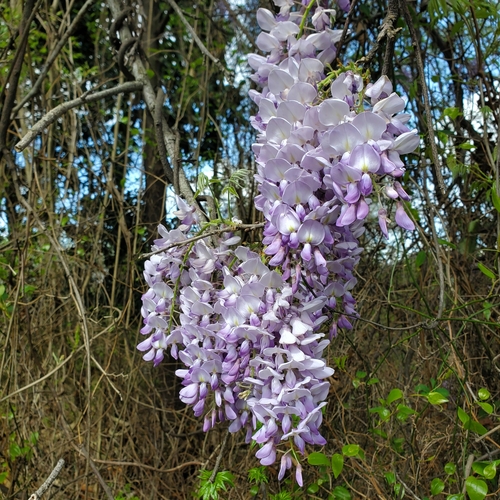
Chinese wisteria
Wisteria sinensis (Sims) DC.
Wisteria sinensis, or Chinese wisteria, is a toxic ornamental climbing vine with scented spring flowers.
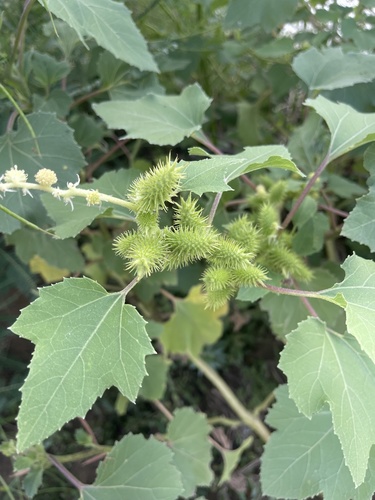
rough cocklebur
Xanthium strumarium L.
Xanthium strumarium L. is an annual Asteraceae plant with disputed origins, used in traditional medicine but containing dangerous toxins.
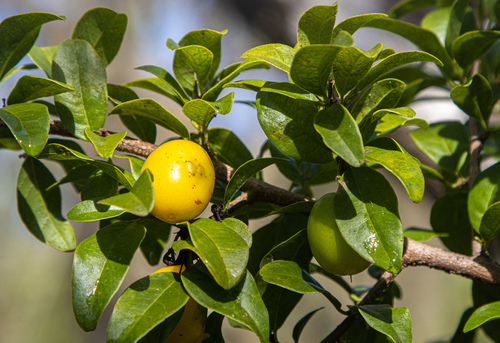
Hog plum
Ximenia americana L.
Ximenia americana L. is an undomesticated wild tropical hemiparasitic shrub or small tree used for food and traditional medicine.
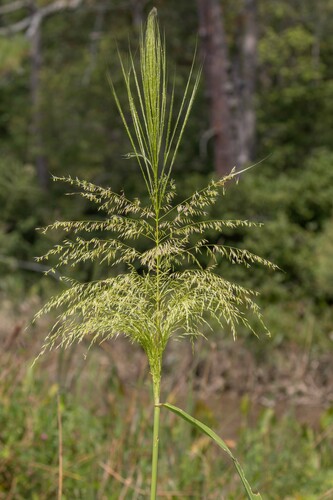
annual wild rice
Zizania aquatica L.
Wild rice (genus Zizania) is an aquatic grass with edible grain, culturally significant to many North American indigenous peoples.
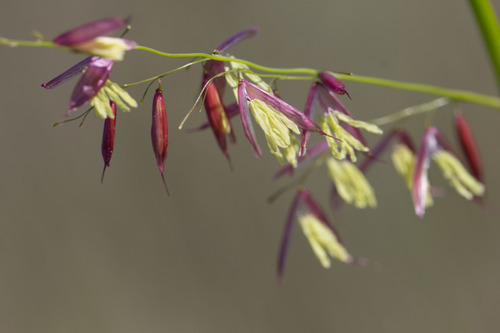
northern wild rice
Zizania palustris L.
Zizania palustris, or Northern wild rice, is a culturally and economically important edible wild grain native to North America.
Start Exploring Nature Today
Download iNature for free. 10 identifications on us. No account needed. No credit card required.
Download Free on App Store
