Poisonous & Toxic Species
Never touch, taste, or consume any species you cannot positively identify. This guide is for educational purposes only. When in doubt, consult a local expert. Use the iNature app for quick AI-powered identification in the field.
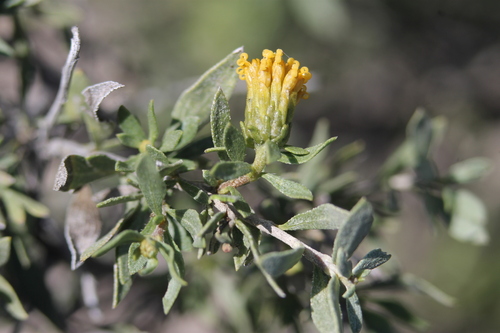
American Tarwort
Flourensia cernua DC.
Flourensia cernua, or American tarwort, is a Chihuahuan Desert shrub with medicinal uses and potential livestock forage value.
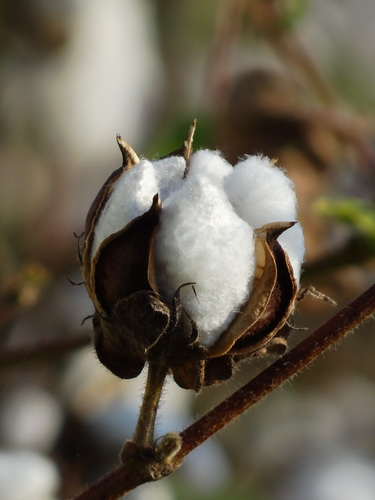
Levant Cotton
Gossypium herbaceum L.
Gossypium herbaceum, or Levant cotton, produces short cotton fiber for textiles, and has traditional medicinal and other uses with noted gossypol toxicity.
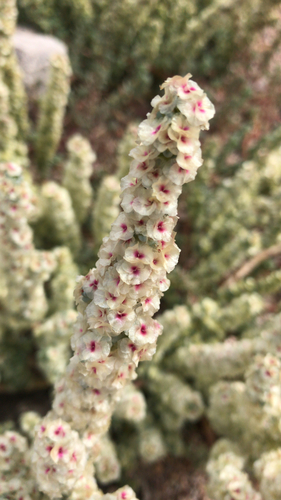
Saltlover
Halogeton glomeratus (M.Bieb.) C.A.Mey.
Halogeton glomeratus is a toxic noxious invasive halophyte annual weed that harms rangelands and poisons livestock in the western U.S.
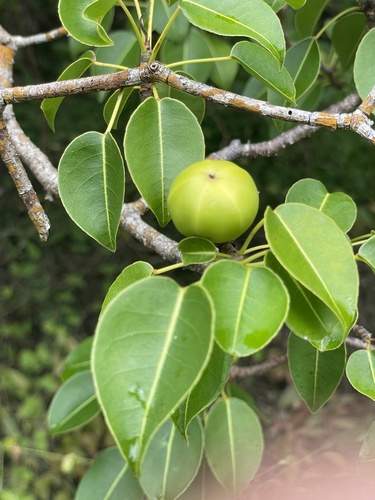
Manchineel
Hippomane mancinella L.
Hippomane mancinella, the poisonous manchineel tree, native to tropical American coastal regions, is toxic to most life but has been used for timber.
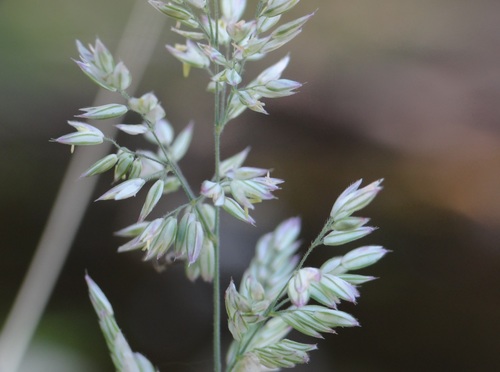
Yorkshire fog
Holcus lanatus L.
Holcus lanatus L. is a grass species that can be invasive, with distinct physical traits and documented ecological roles.
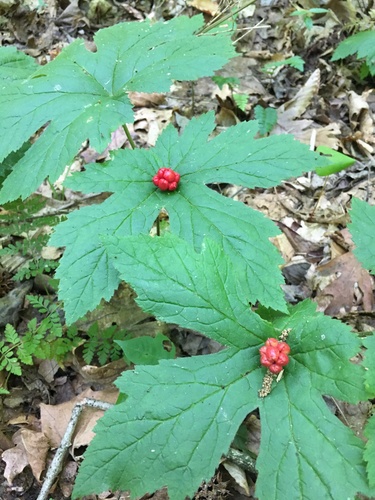
Goldenseal
Hydrastis canadensis L.
Hydrastis canadensis (goldenseal) is a North American forest perennial with documented toxicity and no supported medicinal uses.
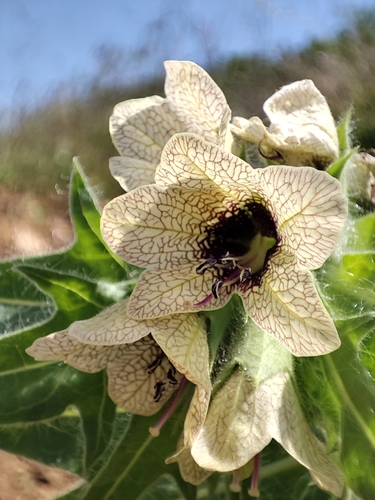
black henbane
Hyoscyamus niger L.
Hyoscyamus niger (henbane) is a toxic, psychoactive Solanaceae plant with a long history of medicinal, ritual, and culinary use.
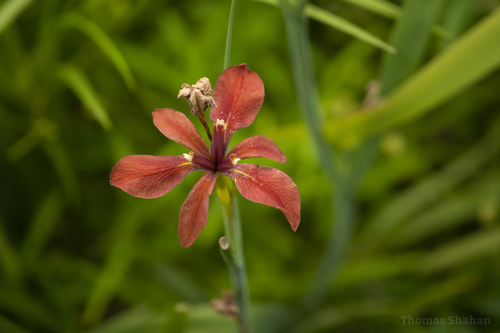
Copper Iris
Iris fulva Ker Gawl.
Iris fulva is a red-flowered Louisiana iris native to the southern US, adapted to wet freshwater habitats.
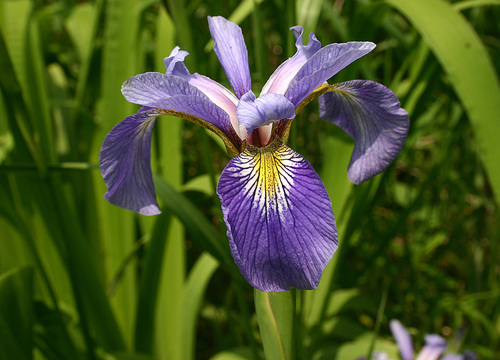
northern blue flag
Iris versicolor L.
Iris versicolor L. is a blue-flowered poisonous herbaceous perennial with traditional medicinal and magical uses.
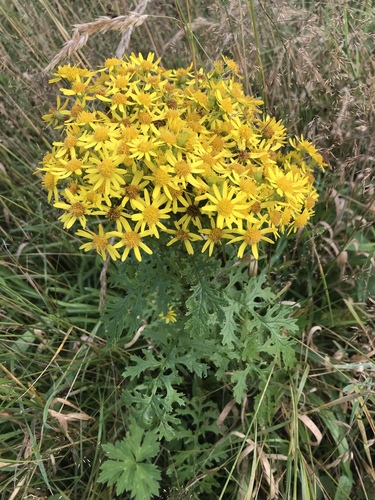
ragwort
Jacobaea vulgaris Gaertn.
Jacobaea vulgaris is a Eurasian flowering herb toxic to many animals, naturalized as a weed across many world regions.
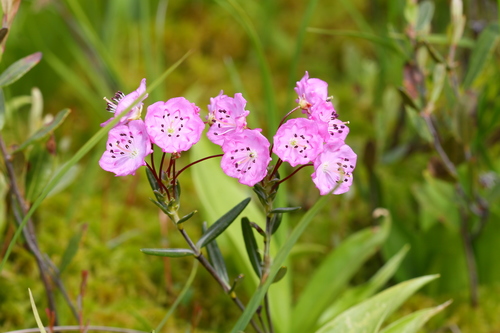
Swamp Laurel
Kalmia polifolia Wangenh.
Kalmia polifolia is a toxic North American bog shrub with pink to purple flowers, eaten by caribou and used for medicine.
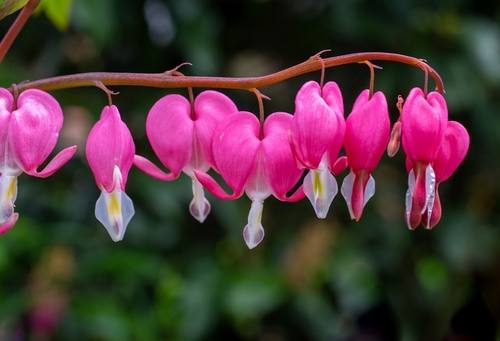
Asian Bleeding-heart
Lamprocapnos spectabilis (L.) Fukuhara
Lamprocapnos spectabilis (Asian bleeding-heart) is a Northeast Asian ornamental perennial with documented toxicity and traditional medicinal uses.
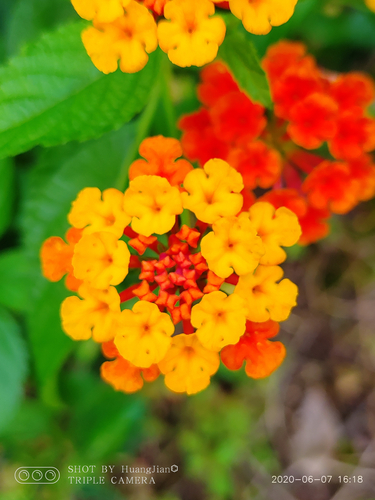
common lantana
Lantana camara L.
Lantana camara is a neotropical invasive perennial shrub with documented toxicity to livestock and undetermined toxicity to humans.
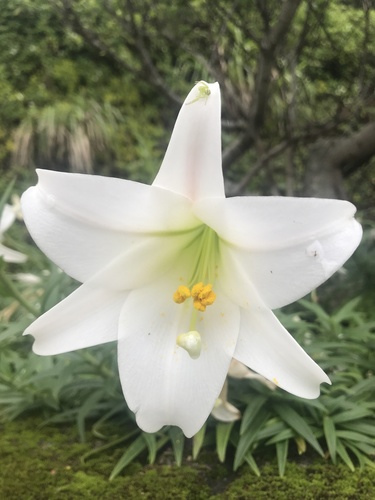
Easter lily
Lilium longiflorum Thunb.
Lilium longiflorum, the Easter lily, is an endemic lily toxic to cats, cultivated for cut flowers and used as a Christian Easter symbol.
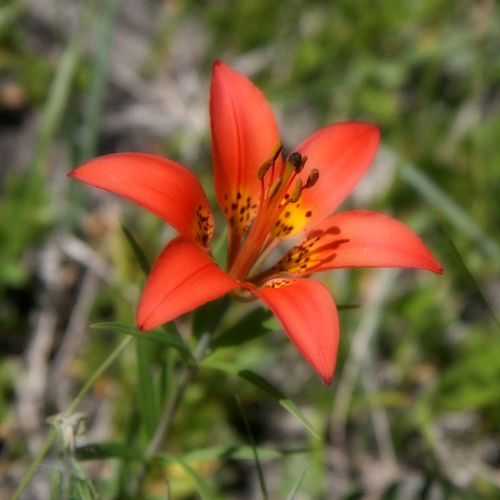
Wood Lily
Lilium philadelphicum L.
Lilium philadelphicum is a lily species toxic to cats, with bulbs eaten by some Native Americans, growing across North America.
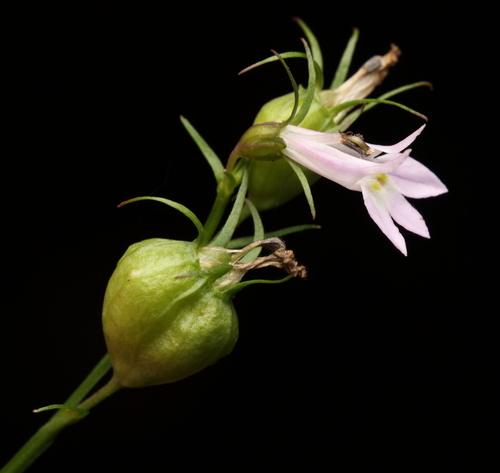
Indian tobacco
Lobelia inflata L.
Lobelia inflata L. is a hairy-stemmed herb with violet flowers, used traditionally by Native Americans and is toxic if consumed.
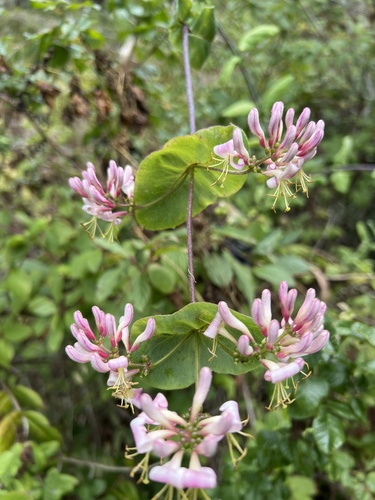
Pink Honeysuckle
Lonicera hispidula (Lindl.) Douglas ex Lindl.
Lonicera hispidula (pink honeysuckle) is a perennial dioecious shrub or vine native to the US Pacific Coast, with pink flowers and red berries.
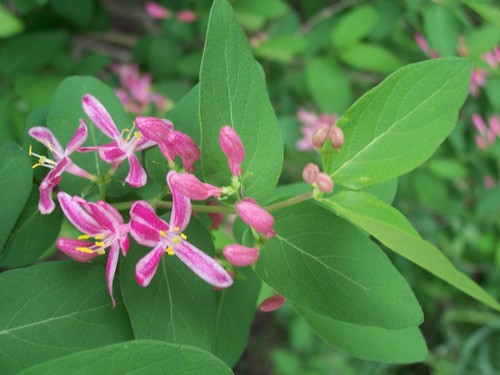
Tatarian honeysuckle
Lonicera tatarica L.
Lonicera tatarica, or Tatarian honeysuckle, is an invasive Eurasian shrub that affects native habitats and can affect cats.
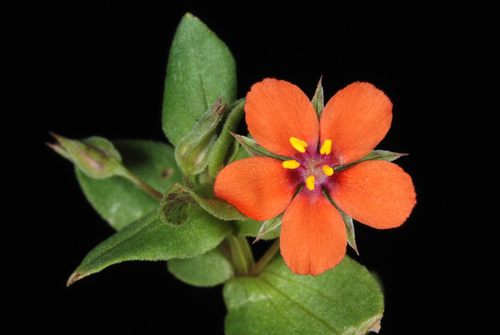
scarlet pimpernel
Lysimachia arvensis (L.) U.Manns & Anderb.
Lysimachia arvensis, scarlet pimpernel, is an invasive toxic plant with documented folk medicinal uses.
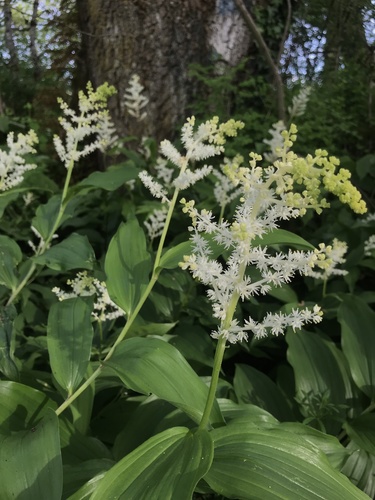
Solomon's plume
Maianthemum racemosum (L.) Link
Maianthemum racemosum is a widespread North American woodland herbaceous perennial with edible parts and cultivated garden value.
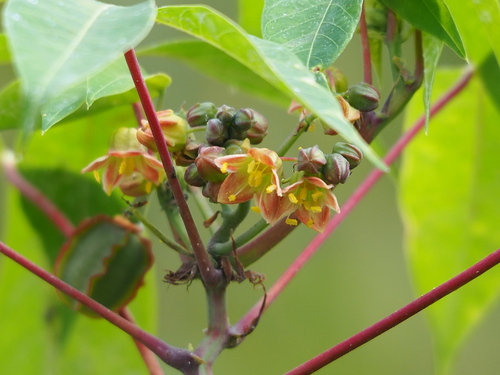
Cassava
Manihot esculenta Crantz
Manihot esculenta Crantz (cassava) is a starchy root crop with toxic cyanogenic glycosides that requires proper processing before human consumption.
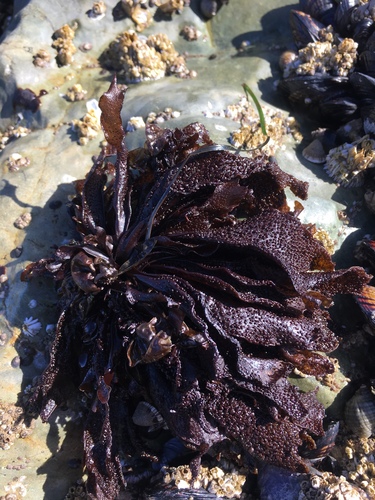
Turkish washcloth
Mastocarpus papillatus (C.Agardh) Kützing, 1843
Mastocarpus papillatus is an edible northeastern Pacific red alga with a complex life cycle and multiple common names.
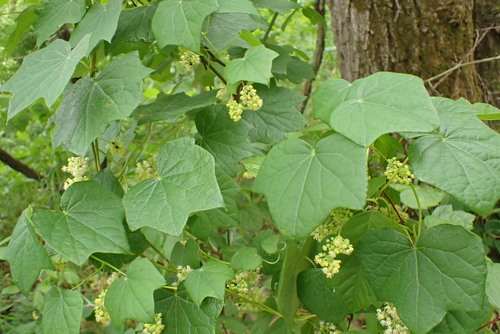
moonseed
Menispermum canadense L.
Canadian moonseed (Menispermum canadense L.) is a poisonous North American woody climbing vine with crescent-shaped seeds.
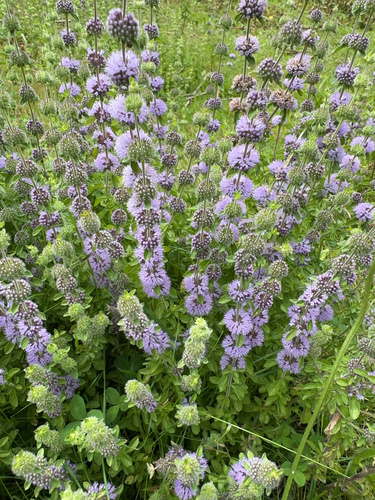
Pennyroyal
Mentha pulegium L.
Mentha pulegium L. (pennyroyal) is a toxic, widely distributed mint used historically for cooking and medicine, and today as an insect repellent.
Start Exploring Nature Today
Download iNature for free. 10 identifications on us. No account needed. No credit card required.
Download Free on App Store
