Poisonous & Toxic Species
Never touch, taste, or consume any species you cannot positively identify. This guide is for educational purposes only. When in doubt, consult a local expert. Use the iNature app for quick AI-powered identification in the field.
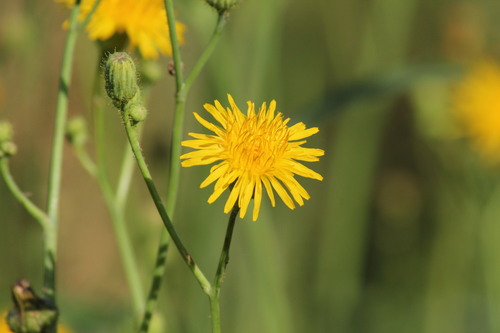
Perennial Sow Thistle
Sonchus arvensis L.
Sonchus arvensis is a Eurasian plant that is an invasive weed in many regions, and its young non-bitter leaves can be eaten.
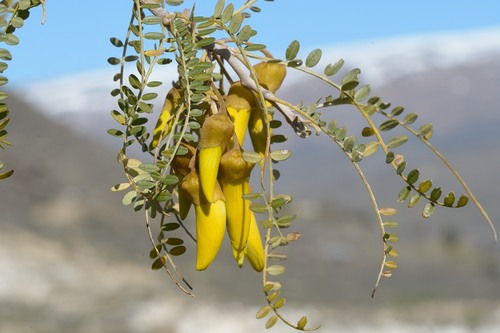
Small-leaved kowhai
Sophora microphylla Aiton
Sophora microphylla, small-leaved weeping kōwhai, is a New Zealand native flowering Fabaceae tree with yellow pea-like flowers.
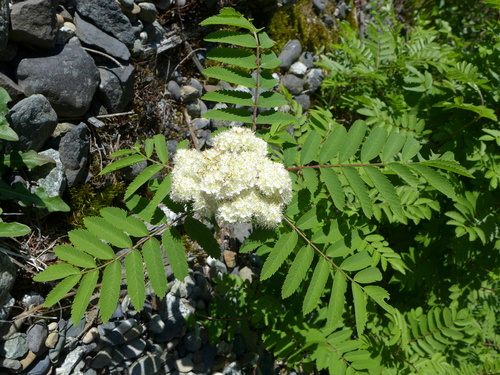
Greene's mountain ash
Sorbus scopulina Greene
Sorbus scopulina Greene is a small North American tree/shrub with edible bitter fruits that look like poisonous baneberries.
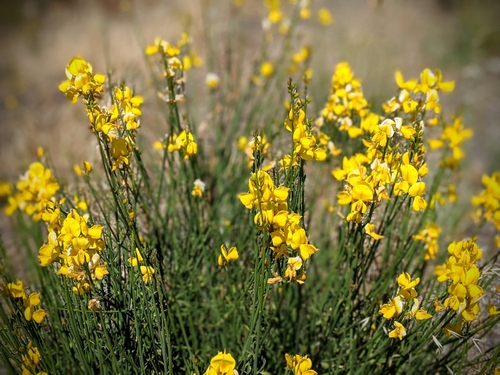
Spanish Broom
Spartium junceum L.
Spartium junceum is a toxic Mediterranean deciduous shrub grown as an ornamental with various traditional uses.
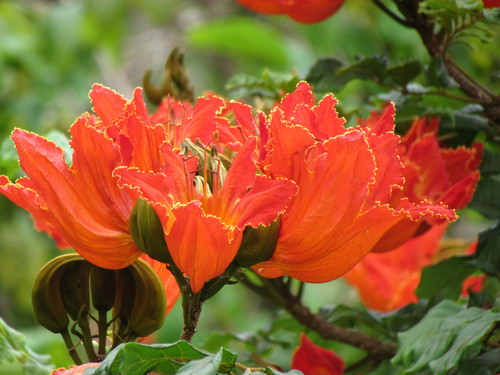
African tulip tree
Spathodea campanulata Beauverd
Spathodea campanulata Beauverd is a tree that is native to Africa, invasive in many tropical regions, with water-holding flower buds used for play.
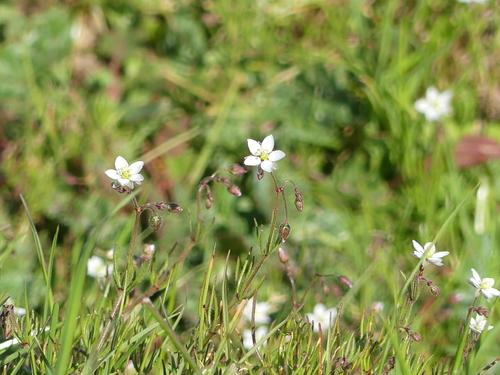
Corn spurrey
Spergula arvensis L.
Spergula arvensis L., or corn spurry, is an annual broadleaf weed that spreads via seeds, with oxalates toxic to livestock in large amounts.
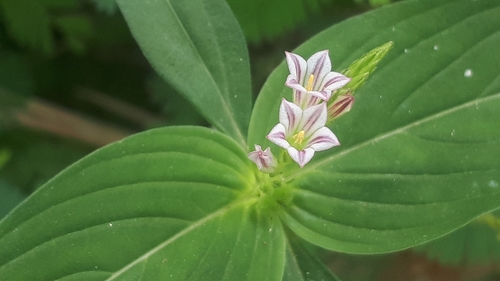
Pink Weed
Spigelia anthelmia L.
Spigelia anthelmia is a highly poisonous flowering plant in Loganiaceae, used as a vermifuge against intestinal worms.
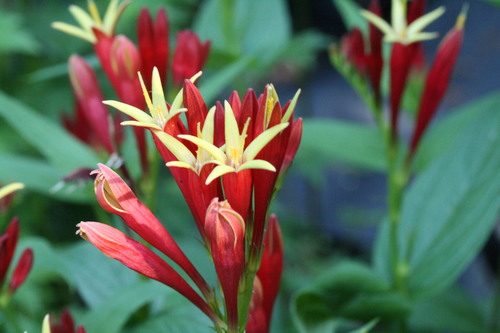
woodland pinkroot
Spigelia marilandica (L.) L.
Spigelia marilandica is a North American native perennial herb grown as an ornamental and used for medicinal purposes.
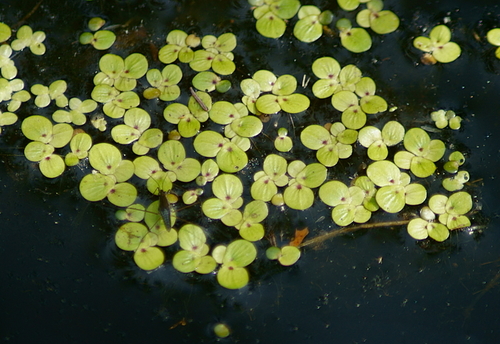
greater duckweed
Spirodela polyrhiza (L.) Schleid.
Spirodela polyrhiza, the great duckweed, is a tiny floating aquatic duckweed used for bioremediation, biofuel, and animal feed.
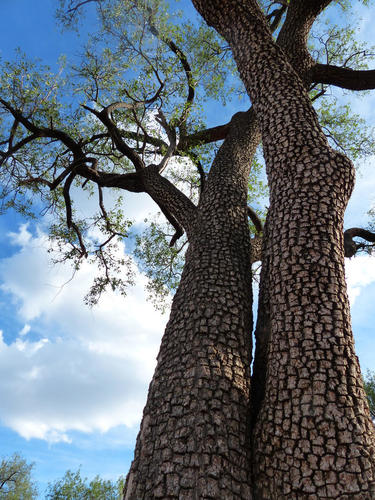
tamboti
Spirostachys africana Sond.
Spirostachys africana is a monoecious tree with distinct bark, fruiting splitting sounds, valued timber, and toxic latex with various traditional uses.
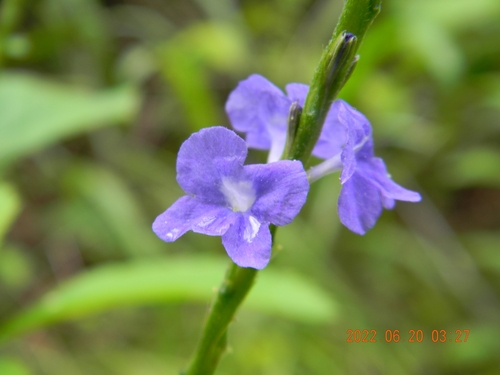
Blue Porterweed
Stachytarpheta jamaicensis (L.) Vahl
Stachytarpheta jamaicensis is a sprawling shrub used for bush tea, which may lower blood pressure but also causes mild systematic toxicity.
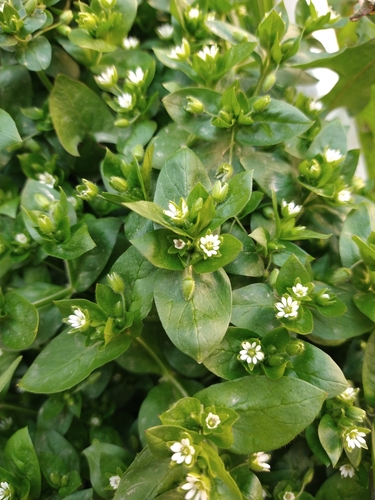
common chickweed
Stellaria media (L.) Vill.
Stellaria media (common chickweed) is a widespread edible annual with recorded folk medicinal uses.

Osceola's plume
Stenanthium densum (Desr.) Zomlefer & Judd
Stenanthium densum is a poisonous coastal eastern US monocot wildflower in Melanthiaceae, reclassified from Zigadenus.
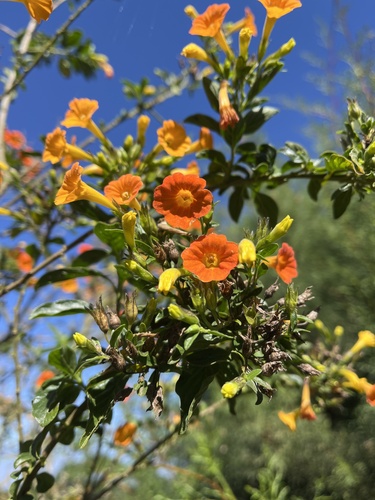
marmalade-bush
Streptosolen jamesonii (Benth.) Miers
Streptosolen jamesonii is an evergreen shrub used in traditional medicine, with color-changing flowers and a documented toxicity rating.
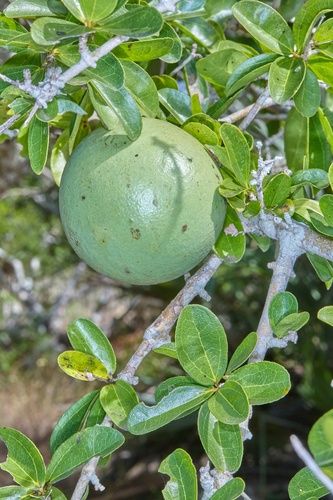
Black Monkey Orange
Strychnos madagascariensis Poir.
Strychnos madagascariensis Poir. is an African poisonous tree with edible fruit pulp and seeds used for fish poisoning.
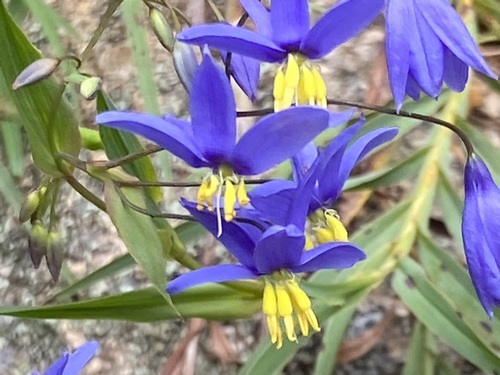
nodding blue lily
Stypandra glauca R.Br.
Stypandra glauca (nodding blue lily) is a widespread Australian perennial herb that can cause blindness in goats that eat its flowering parts.
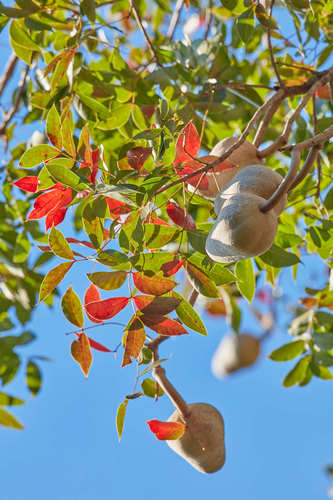
Honduras Mahogany
Swietenia humilis Zucc.
Swietenia humilis, the small genuine mahogany, is an over-exploited tree with medicinal and insecticidal properties found in Central America.
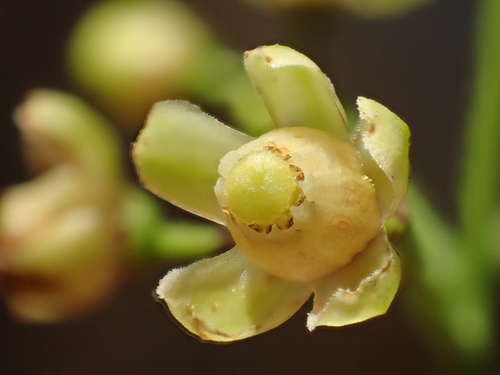
Big-leaf Mahogany
Swietenia macrophylla G.King
Swietenia macrophylla (big-leaf mahogany) is a timber species studied for potential medicinal uses, with reported liver toxicity risks.
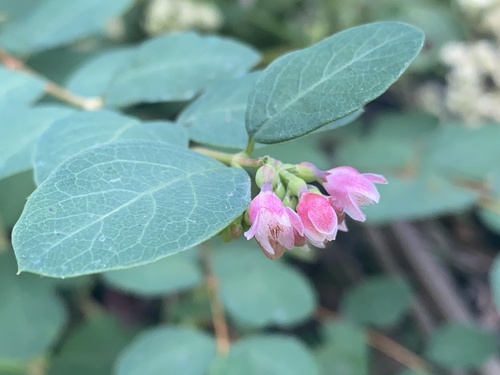
Common Snowberry
Symphoricarpos albus (L.) K.Koch
Symphoricarpos albus is a deciduous shrub native to North America, with varied uses and a distinct common German name.
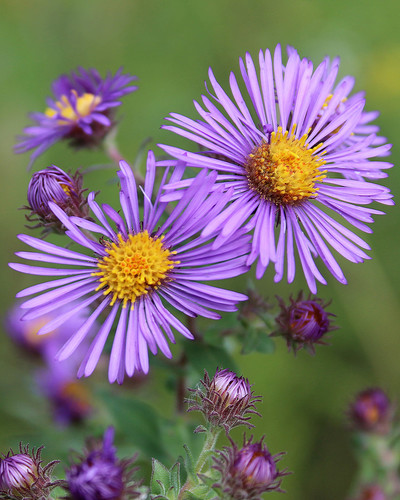
New England aster
Symphyotrichum novae-angliae (L.) G.L.Nesom
Symphyotrichum novae-angliae (New England aster) is a perennial herb with documented ecological roles and historical medicinal uses by North American peoples.
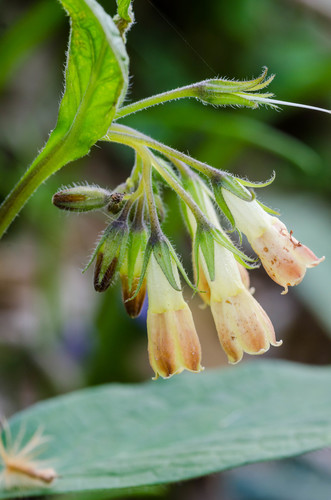
Tuberous Comfrey
Symphytum tuberosum L.
Symphytum tuberosum L. (tuberous comfrey) is a hardy plant found across Europe with introduced populations elsewhere, used in traditional medicine and cooking.
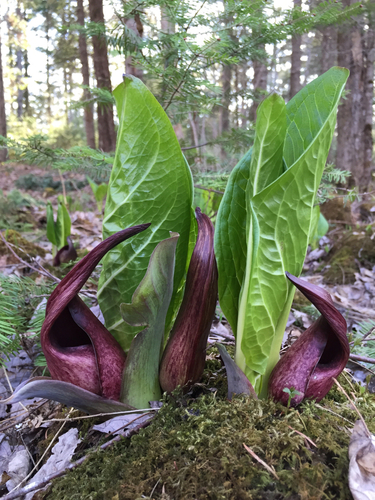
Eastern Skunk Cabbage
Symplocarpus foetidus (L.) Salisb. ex W.P.C.Barton
Symplocarpus foetidus, or eastern skunk cabbage, is a thermogenic early-spring blooming native North American plant with a distinctive skunk-like odor.
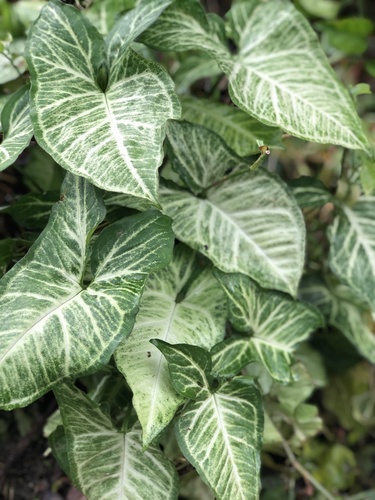
Goosefoot-plant
Syngonium podophyllum Schott
Syngonium podophyllum Schott is a popular tropical climbing houseplant with arrow-shaped leaves, toxic to humans and animals.
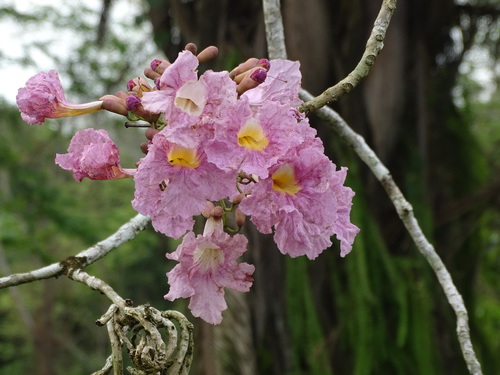
Pink poui
Tabebuia rosea (Bertol.) Bertero ex A.DC.
Tabebuia rosea is a flowering neotropical tree widely planted ornamentally and used for traditional medicine.
Start Exploring Nature Today
Download iNature for free. 10 identifications on us. No account needed. No credit card required.
Download Free on App Store
