Poisonous & Toxic Species
Never touch, taste, or consume any species you cannot positively identify. This guide is for educational purposes only. When in doubt, consult a local expert. Use the iNature app for quick AI-powered identification in the field.
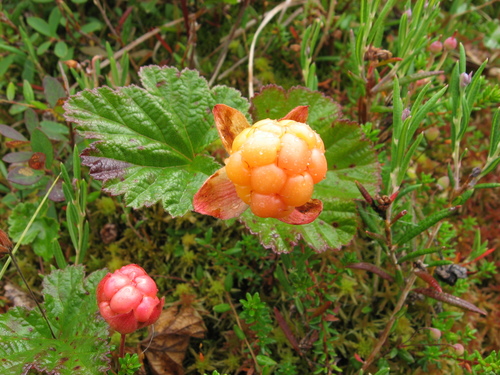
cloudberry
Rubus chamaemorus L.
Rubus chamaemorus L., commonly called cloudberry, is a boreal dioecious berry with a circumpolar distribution and many traditional culinary uses.
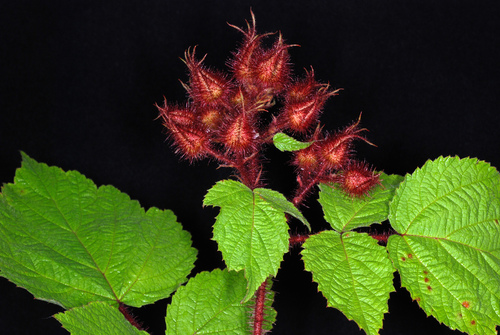
wineberry
Rubus phoenicolasius Maxim.
This is a description of the perennial edible bramble Rubus phoenicolasius, or wineberry, covering its traits, growth, and uses.
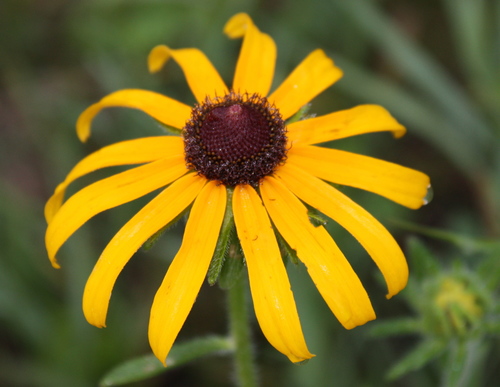
black-eyed Susan
Rudbeckia hirta L.
Rudbeckia hirta L. is a cultivated North American flowering plant toxic to cats, with traditional Native American medicinal uses.
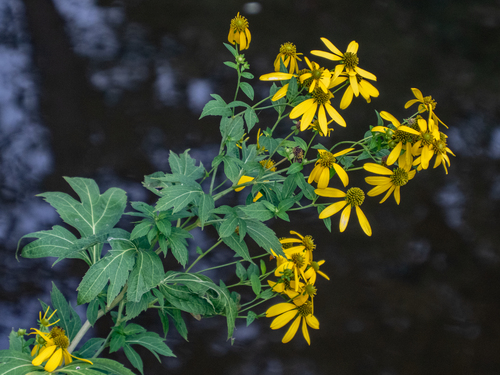
cutleaf coneflower
Rudbeckia laciniata L.
Rudbeckia laciniata is a North American perennial herb, widely cultivated as an ornamental with edible young cooked leaves.
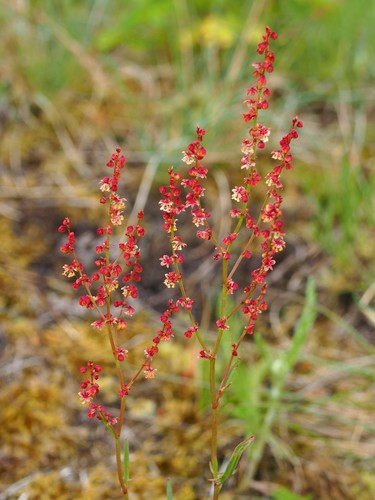
Sheep's sorrel
Rumex acetosella L.
Rumex acetosella L. (sheep sorrel) is a perennial dioecious herb native to Eurasia, with edible sour leaves and oxalate content.
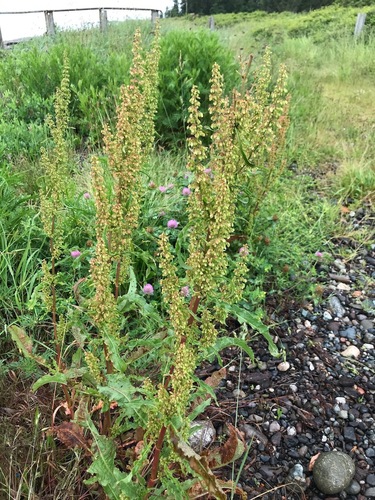
curled dock
Rumex crispus L.
Rumex crispus L. (curly dock) is a Eurasian dock, often invasive, with documented culinary and medicinal uses.
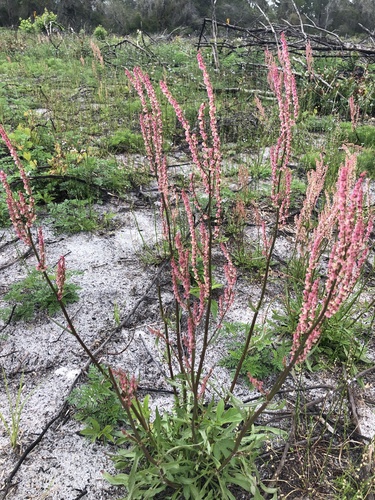
Hastate-leaved dock
Rumex hastatulus Baldwin ex Elliott
Rumex hastatulus is a dioecious edible-in-small-doses North American herb studied for its unique sex determination system.
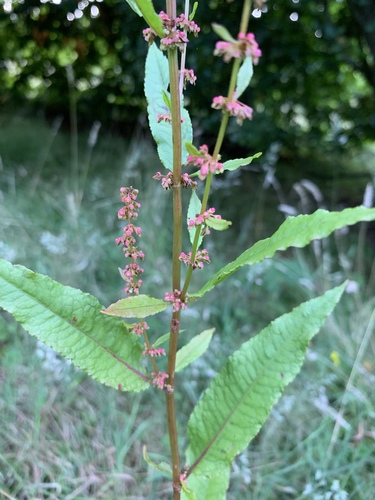
Wood Dock
Rumex sanguineus L.
Rumex sanguineus L. is a dock plant with two varieties, native to Europe, used as an edible leafy vegetable.

butcher's-broom
Ruscus aculeatus L.
Ruscus aculeatus L. (butcher's broom) is a dioecious shrub with modified stem cladodes, traditional medicinal uses, and documented poisoning cases.
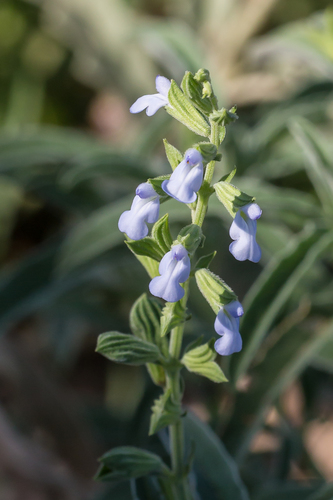
Mintweed
Salvia reflexa Hornem.
Salvia reflexa is an introduced and native toxic annual subshrub found across multiple continents.
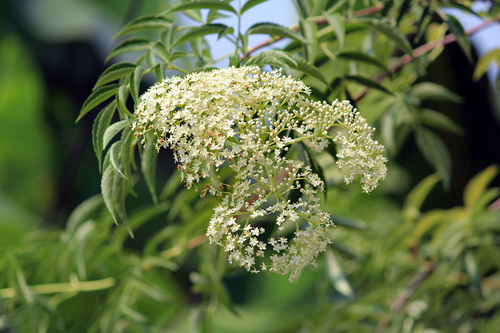
American black elderberry
Sambucus canadensis L.
Sambucus canadensis (American elderberry) is a North American native shrub with edible cooked elderberry fruit and toxic inedible parts.
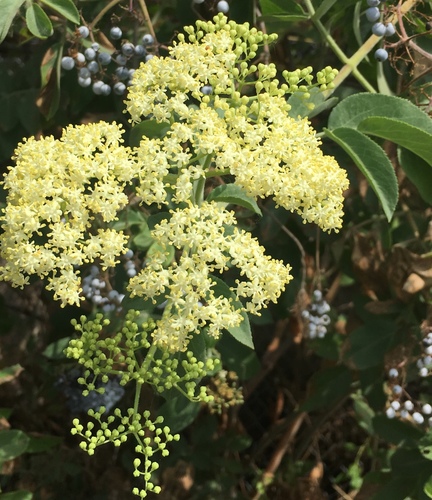
blue elder
Sambucus cerulea Raf.
Sambucus cerulea is a large western North American deciduous elderberry shrub grown for ornamental and restoration use.
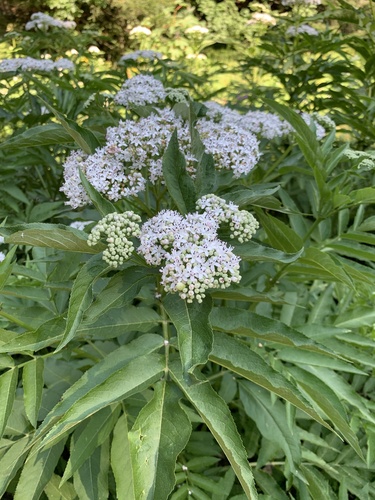
Dwarf Elder
Sambucus ebulus L.
Sambucus ebulus (dwarf elder/danewort) is a toxic herb used in folk medicine for various ailments, with toxicity removed by cooking.
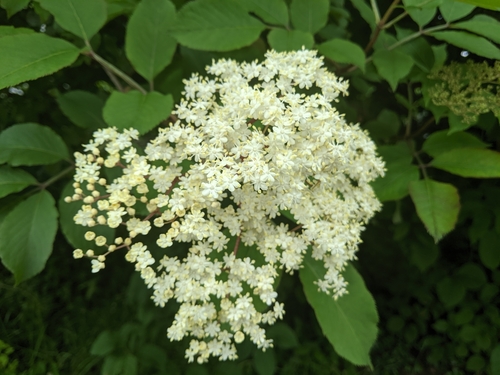
European black elderberry
Sambucus nigra L.
Sambucus nigra L., or elderberry, is a deciduous shrub/tree widely grown for ornament and culinary use.
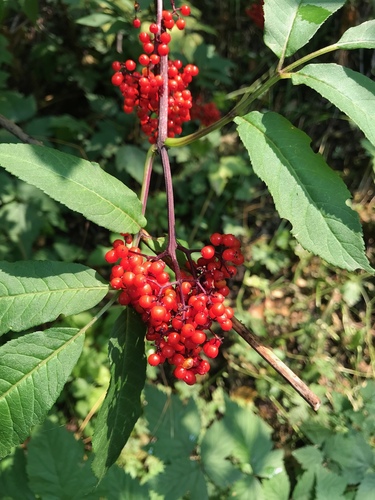
red-berried elder
Sambucus racemosa L.
Sambucus racemosa L. is a medium native shrub with edible cooked berries, toxic raw parts, and ornamental cultivars.
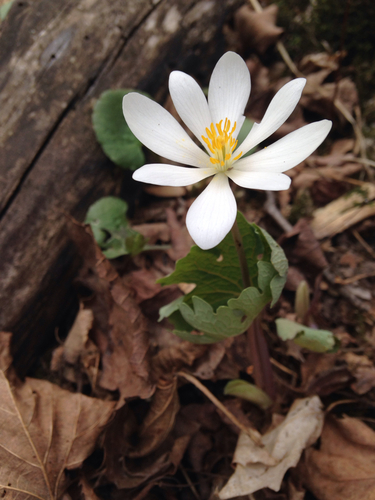
bloodroot
Sanguinaria canadensis L.
Sanguinaria canadensis (bloodroot) is a North American spring ephemeral with toxic sanguinarine, used ornamentally and commercially.
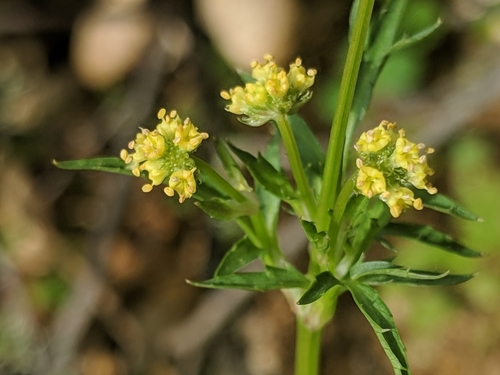
Poison sanicle
Sanicula bipinnata Hook. & Arn.
Sanicula bipinnata is an apiaceous plant with an undeserved toxic reputation, used by Native American groups.
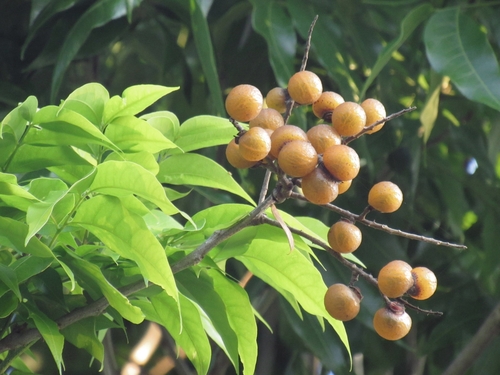
Wingleaf Soapberry
Sapindus saponaria L.
Sapindus saponaria L. (western soapberry) is a wide-ranging American tree with distinct varieties, toxic fruit, and many practical uses.
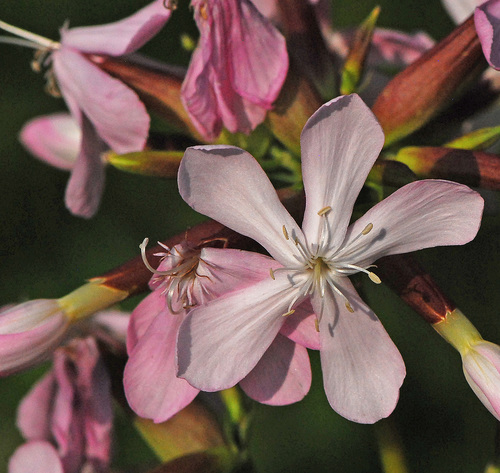
common soapwort
Saponaria officinalis L.
Saponaria officinalis L. is a flowering plant with traditional and commercial uses as soap and a food additive.
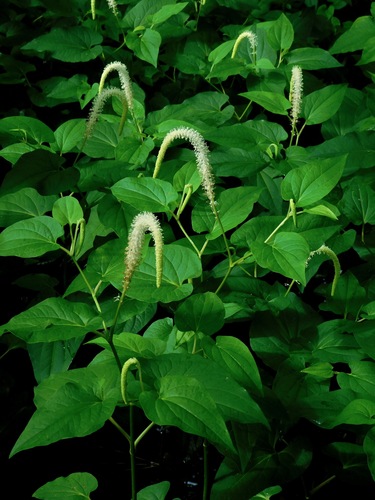
lizard's tail
Saururus cernuus L.
Saururus cernuus, commonly lizard's tail, is a North American herbaceous wetland plant with traditional medicinal uses.
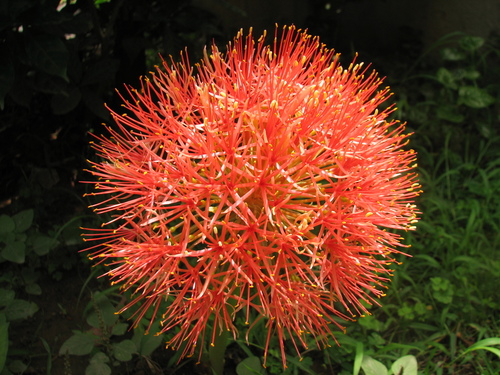
Bloodlily
Scadoxus multiflorus (Martyn) Raf.
Scadoxus multiflorus is an African bulbous flowering plant with toxic alkaloids, used in poisons and traditional medicine, and grown as an ornamental.
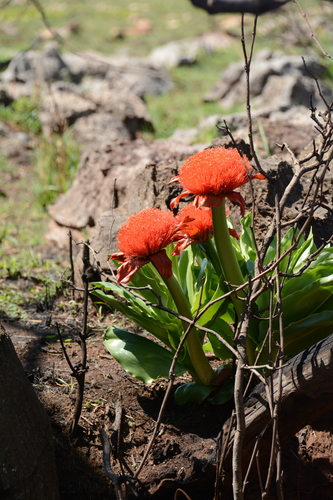
Paintbrush lily
Scadoxus puniceus (L.) Friis & Nordal
Scadoxus puniceus is an ornamental bulbous plant with traditional medicinal uses and toxic properties.
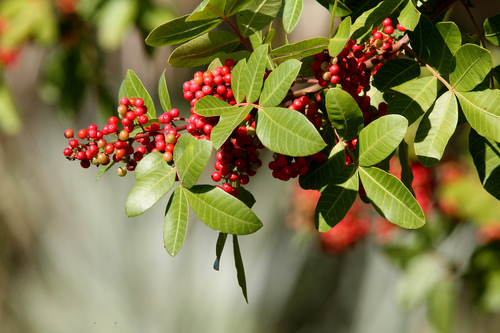
Brazilian pepper
Schinus terebinthifolia Raddi
Schinus terebinthifolia (Brazilian peppertree) is a dioecious shrub or small tree native to South America, toxic to sensitive people and often invasive outside its range.
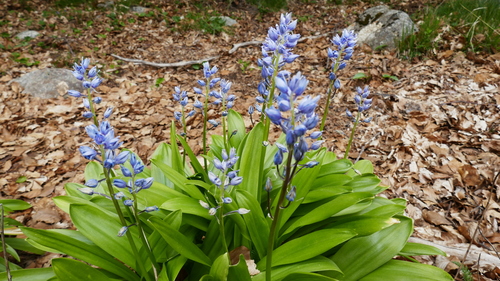
Pyrenean Squill
Scilla lilio-hyacinthus L.
Scilla lilio-hyacinthus is a poisonous bulbous perennial flowering herb, sometimes grown as an ornamental in gardens.
Start Exploring Nature Today
Download iNature for free. 10 identifications on us. No account needed. No credit card required.
Download Free on App Store
