About Plinia cauliflora (DC.) Kausel
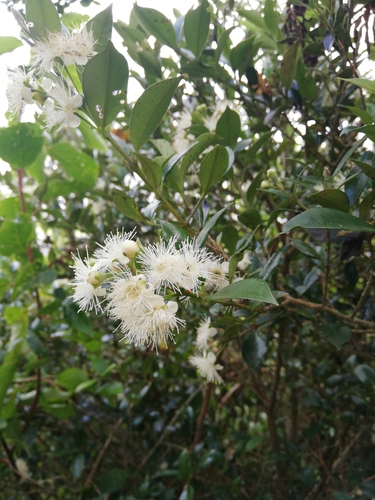
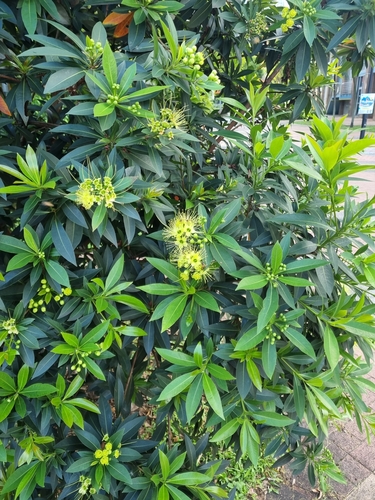
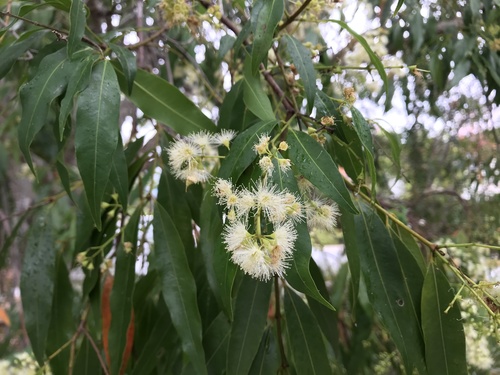
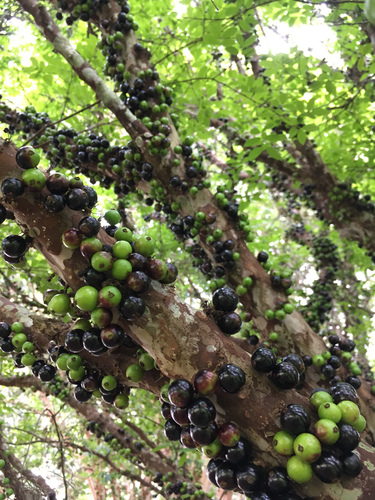
The jaboticaba, also spelled jabuticaba, is the round, edible fruit of the jaboticaba tree (Plinia cauliflora), which is also commonly called the Brazilian grapetree. This species belongs to the plant family Myrtaceae. The fruit has a purplish-black skin and white pulp, and grows directly on the tree’s trunk, an example of the botanical feature called cauliflory. This tree is native to the Brazilian states of Rio de Janeiro, Minas Gerais, Goiás, and São Paulo. The fruit can be eaten raw, or processed into jellies, jams, juice, or wine. Related species belonging to the genus Myrciaria are often given the same common names, and these species are native to Brazil, Argentina, Paraguay, Peru, and Bolivia. Jaboticaba trees have been cultivated in Brazil since pre-Columbian times. Today, the fruit is grown as a commercial crop in central and southern Brazil. Commercial cultivation in the Northern Hemisphere is more limited by the tree’s slow growth and the fruit’s short shelf life than by unsuitable temperature conditions. Grafted jaboticaba plants can produce fruit in as little as five years, while trees grown from seed take between 10 and 20 years to bear fruit. Jaboticaba trees are fairly adaptable to a wide range of growing conditions, and can tolerate both sandy soils and rich topsoil. They cannot tolerate salty soils or salt spray. They can survive mild drought, though fruit production will likely drop, and irrigation is required during extended or severe droughts. Jaboticaba trees are vulnerable to the rust disease caused by Austropuccinia psidii, especially when the tree flowers during periods of heavy rain. Other common diseases that affect these trees include canker caused by Colletotrichum gloeosporioides, dieback caused by Rosellinia, and fruit rot caused by Botrytis cinerea.