About Pleurolobus gangeticus (L.) J.St.-Hil. ex H.Ohashi & K.Ohashi
Plant Size and Growth Form
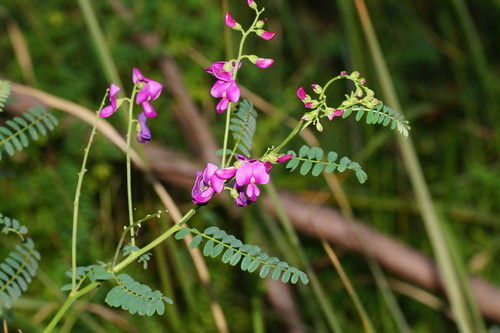
Pleurolobus gangeticus is a small shrub that grows 2 to 4 feet tall.
Leaf Characteristics
It has simple, alternate leaves that are oblong in shape with pinnate venation; mature leaves typically reach up to 15 cm long and 5 cm wide.
Flower Appearance
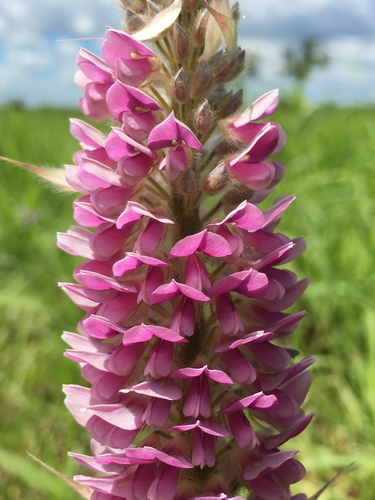
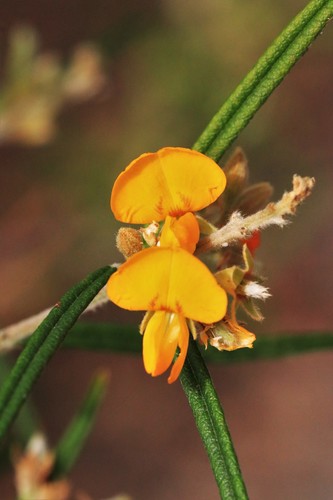
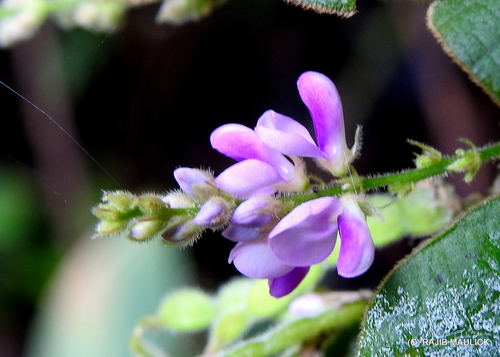
Its flowers are bilaterally symmetrical, purple and white in color, and have 3 petals.
Inflorescence Structure
It produces an indeterminate inflorescence, where younger growing flowers develop at the top, and fully developed open flowers are positioned on the lower section.
Reproductive System
This species has a hermaphroditic sexual reproductive system.
Light Habitat Requirements
Pleurolobus gangeticus grows in partially shaded areas or open sites, and very rarely grows in deep shade.
Native Range
It is native to tropical Africa, Asia, and northern Australia.
Occurrence Biomes and Climate
It typically occurs in anthropogenic lowland biomes under either ever-wet or seasonal climate conditions.
Preferred Soil and Moisture Conditions
It grows best in dry conditions on alkaline, moderately calcareous clayey loam soils.
Pollination and Grazing Dispersal
This species is pollinated by bees, and it is frequently grazed by cattle, which helps with its seed dispersal.
Seed Dispersal Mechanisms
Seeds are dispersed via small hairs on the plant’s seedpods, which easily cling to human skin, clothing, and the fur and feathers of other animals, allowing for wide seed dispersal.
Invasive Status
Because this effective dispersal allows it to spread rapidly into new areas, it is considered an invasive weed in some habitats.
Bacterial Symbiosis
Pleurolobus gangeticus forms a symbiotic relationship with specific soil bacteria: these bacteria grow in nodules on the plant’s roots and fix atmospheric nitrogen.
Fungal Parasites
One fungal parasite, Synchytrium desmodiicola, has been recorded on this species in India.
Phenology
Most new seedlings emerge in July after the first few rain showers, and flowering and fruiting occur between October and February.