About Platyja umminia (Cramer, 1780)
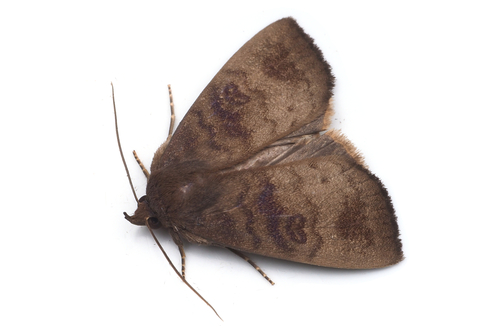
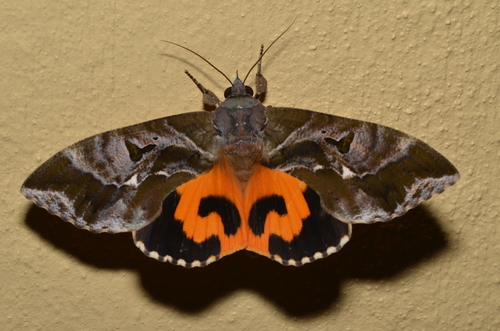
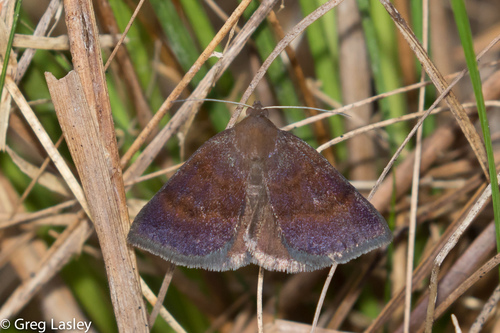
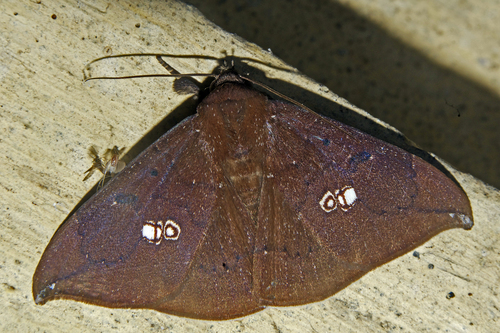
The wingspan of Platyja umminia (Cramer, 1780) is approximately 48–60 mm. Males have bipectinate antennae with short branches. The mid and hind legs have tufts of very long hair growing from the femur-tibial joint. The body is colored olivaceous red-brown. The forewings bear a few grey specks, and have an antemedial obliquely waved dark line. The orbicular spot is small and dark, while the reniform spot has a dark outline. A postmedial crenulate line is present: it is strongly excurved beyond the cell, then bent inwards to below the middle of the cell, above two dark-edged marks. In females, these marks are filled with ochreous, chestnut, or white, and have some chestnut rings or spots. A dark streak runs from the apex, with some grey area below it. The hindwings have a crenulate postmedial line and faint traces of a sub-marginal line. The cilia are tipped with white on both wings. On the ventral sides, there are lines on the discocellulars and a crenulate postmedial line that bears a series of white specks. Both adult and caterpillar stages of Platyja umminia feed on soursop and other Annona species.