About Platycarya strobilacea Siebold & Zucc.
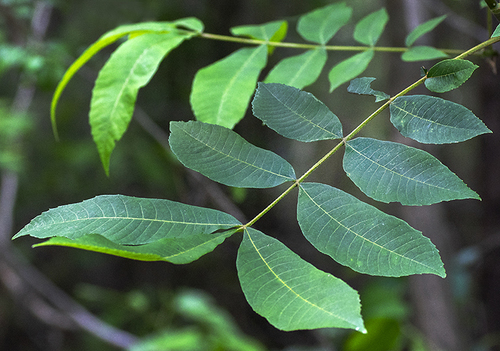
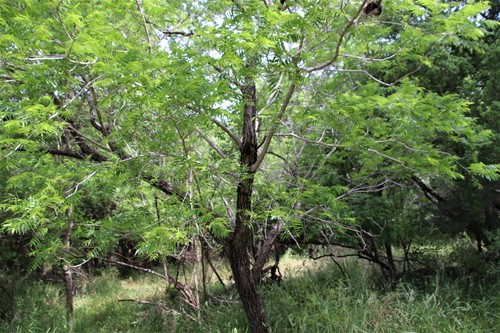
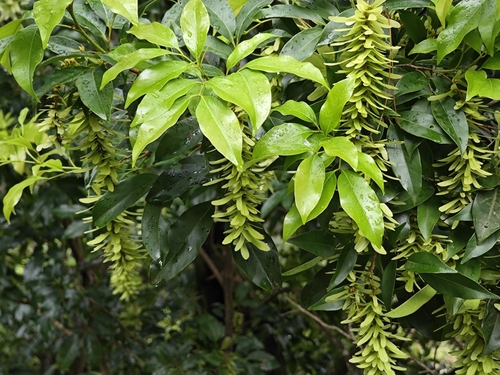
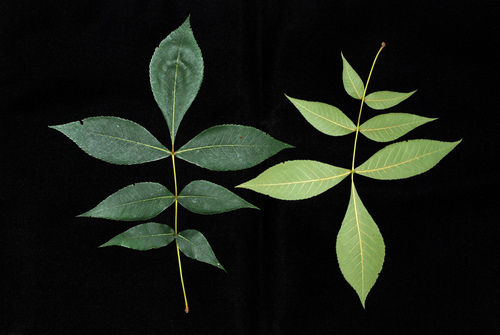
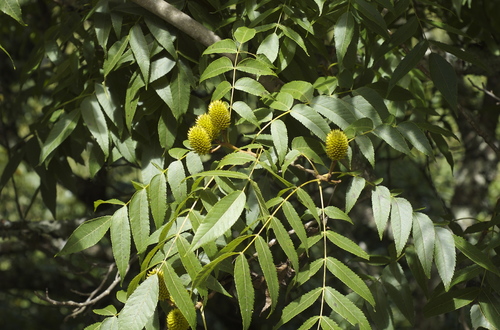
Platycarya strobilacea Siebold & Zucc. is a flowering plant species that belongs to the Juglandaceae family. Historically, the Platycarya genus was considered to contain only this single living species, but a second living species, Platycarya longzhouensis, is now recognized by botanists. This tree is native to eastern Asia, specifically occurring in China, Vietnam, Korea, and Japan. It is a deciduous tree that can grow up to 15 meters in height. Its leaves are most commonly pinnate, measuring 15 to 30 centimeters in length and bearing 7 to 15 leaflets; in rare cases, leaves may be simple, or have as many as 23 leaflets. A terminal leaflet is always present. Individual leaflets are 3 to 11 centimeters long and 1.5 to 3.5 centimeters broad. This species produces flowers in catkins: male pollen catkins are 2 to 15 centimeters long, while fully mature female catkins are 2.5 to 5 centimeters long, hard and woody in texture, and bear a superficial resemblance to conifer cones with spirally arranged scales. The compound galloyl pedunculagin can be found in Platycarya strobilacea.