About Platycarpha glomerata (Thunb.) Less.
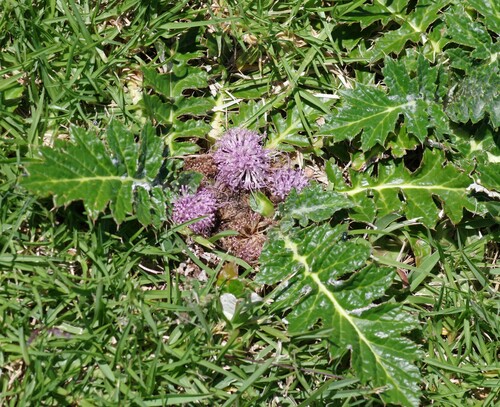
Platycarpha is a genus of South African plants in the family Asteraceae. The genus currently contains only one species: Platycarpha glomerata, which is native to the Cape Provinces and KwaZulu-Natal in South Africa. The genus name Platycarpha comes from two Greek words: platys, meaning "broad", and karphos, meaning "a chip of straw or wood, a scale, a dry stalk". The name Platycarpha was first published by Christian Friedrich Lessing in 1831, and Platycarpha glomerata is the genus's type species. This species was originally described as Cynara glomerata by Carl Peter Thunberg in 1800, and was transferred to the genus Platycarpha by A.P. de Candolle in 1836 in his work Prodromus Systematis Naturalis Regni Vegetabilis. The genus formerly included three species. Later studies proposed splitting the original Platycarpha into two separate genera: Platycarpha and Platycarphella, with two species moved to the new genus Platycarphella. The systematic placement of Platycarpha has long been uncertain. Most authors previously placed the genus in the tribe Arctotideae, until molecular phylogenetic studies found it was more closely related to the tribe Vernonieae. In 2009, the new tribe Platycarpheae was established to contain both Platycarpha and Platycarphella.