About Plathemis subornata Hagen, 1861
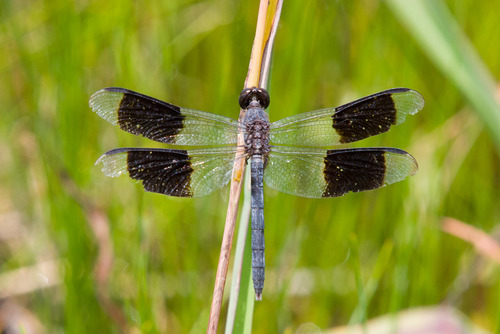
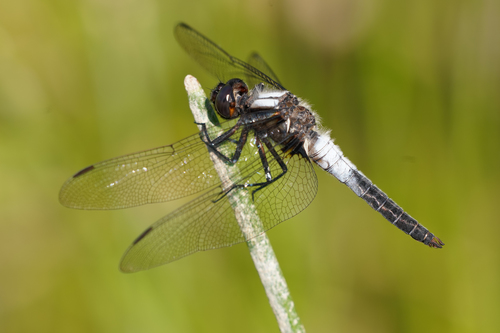
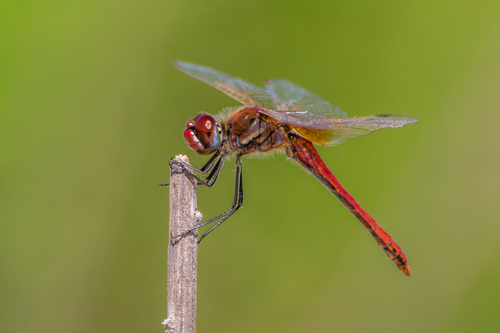
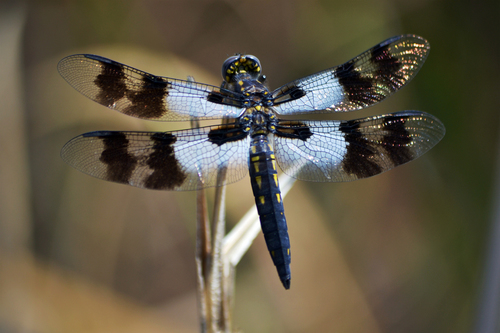
The desert whitetail, with the scientific name Plathemis subornata, is a species of dragonfly in the dragonfly family Libellulidae. This species is often classified in the genus Libellula instead of Plathemis. Its distribution covers Arizona, California, Colorado, Delaware, Kansas, New Mexico, Oregon, Texas, Washington, and the U.S. Virgin Islands within the United States, and it also occurs in Mexico. This dragonfly species lives near ponds, lakes, and seepage pools located in desert areas, and it can be found in all of California’s deserts. Desert whitetail naiads, the immature aquatic stage, live among submerged aquatic grasses and sedges. Instead of actively chasing prey, they wait for prey to pass by them; this ambush strategy also protects them from other predators. Naiads emerge as adult dragonflies during the night. Adult desert whitetails generally fly between summer and fall, and they may sometimes fly from spring through winter. They perch on twigs and rocks, which is the location where they hunt. For reproduction, males establish and defend territories at the breeding sites they select. After mating, the female flies alone to lay eggs, with no male attached to her. She lays eggs by hovering above the water surface of shallow desert seeps and ponds, and dipping the tip of her abdomen into the water.