About Plantago sempervirens Crantz
Taxonomy and Native Range
Plantago sempervirens, commonly known as the evergreen plantain, is a perennial herbaceous plant in the Plantaginaceae family. Native to Europe, it thrives in various habitats, including meadows, pastures, and open woodlands.
Basal Leaf Features
The plant features a rosette of basal leaves that remain green year-round. These lance-shaped leaves are characterized by prominent veins, measuring approximately 10-20 cm in length and 2-4 cm in width.
Flower Characteristics
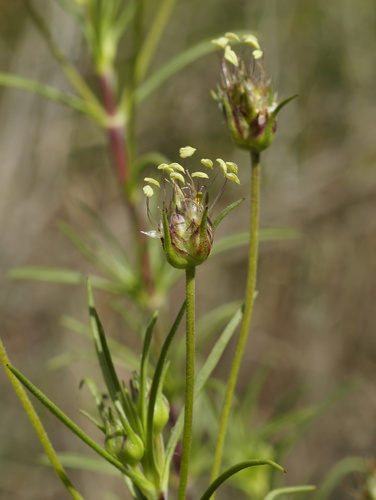
The flowers of Plantago sempervirens are small and inconspicuous, with greenish-white petals clustered in dense spikes atop tall stems that can reach up to 50 cm in height. The flowering period extends from May to August.
Medicinal Applications
Historically, the evergreen plantain has been valued for its medicinal properties, particularly its anti-inflammatory effects. It has been used as a remedy for respiratory issues such as coughs, bronchitis, asthma, and sore throats.
Ecological Role
In addition to its medicinal uses, Plantago sempervirens is an important food source for various insects. Bees feed on its nectar, while butterflies lay their eggs on the plant's leaves.
Summary of Traits
Overall, Plantago sempervirens is an attractive perennial herbaceous plant with significant medicinal benefits. It also plays a crucial ecological role by providing essential food sources for insects like bees, crucial pollinators in ecosystems where the plant naturally occurs.