About Plantago australis Lam.
Plantago australis, commonly known as Australian plantain or southern plantain, is a perennial herbaceous plant native to Australia. It is a member of the Plantaginaceae family and can reach a height of up to 50 cm.
Leaf Characteristics
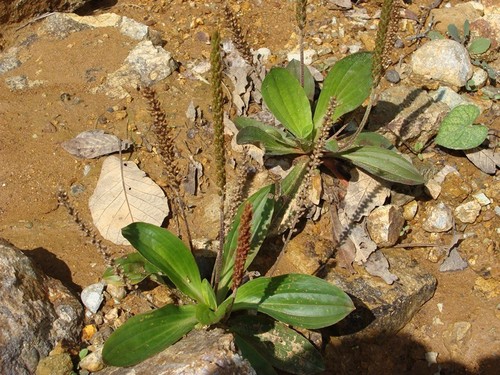
The plant features long, narrow leaves with prominent veins that grow in a rosette pattern at the base of the stem.
Flower Traits
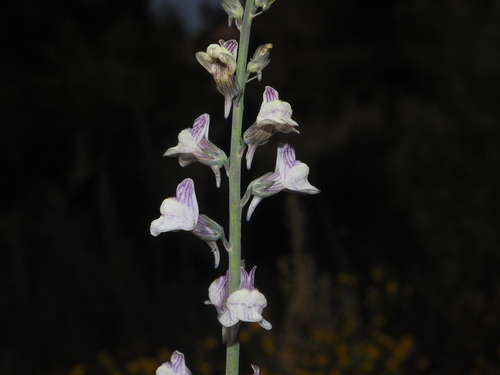
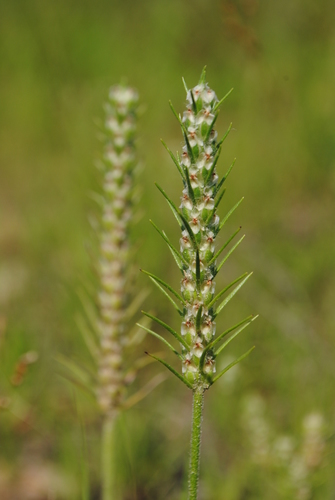
The flowers of Plantago australis are small and inconspicuous, growing on tall spikes that can extend up to 60 cm in height. They bloom from spring through summer, with each flower producing small seeds that are dispersed by wind or animals.
Habitat Range
This species is commonly found in open grasslands, woodlands, along roadsides, and in disturbed areas throughout Australia.
Traditional Medicinal Use
Indigenous Australians have used it medicinally for centuries due to its anti-inflammatory properties, which help relieve pain from insect bites and stings.
Traditional Food Use
In addition to its medicinal uses, indigenous Australians also used the plant as a food source, roasting its seeds before consuming them.
Modern Edible Uses
Today, it is still used as an edible herb, with its leaves being added raw to salads or cooked into soups.
Ecological Role
Overall, this hardy species plays a crucial role in Australian ecosystems by providing food for wildlife while also being utilized medicinally and as a food source by humans. This makes it an important part of Australia's natural heritage.