About Planera aquatica J.F.Gmel.
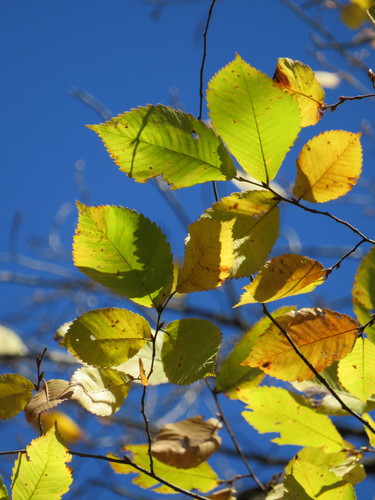
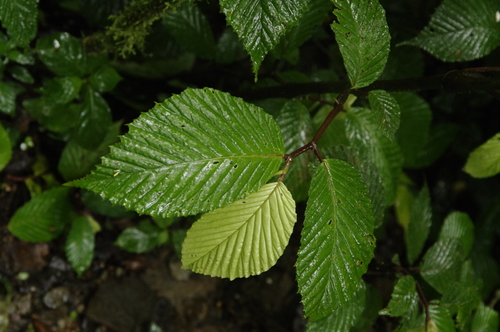
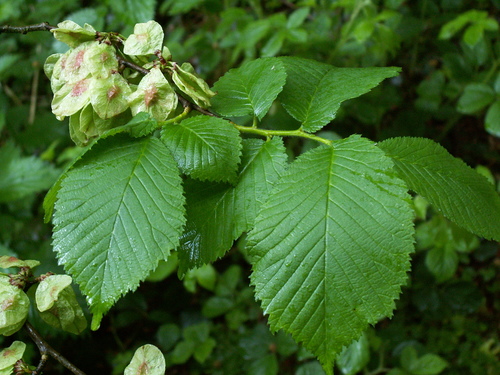
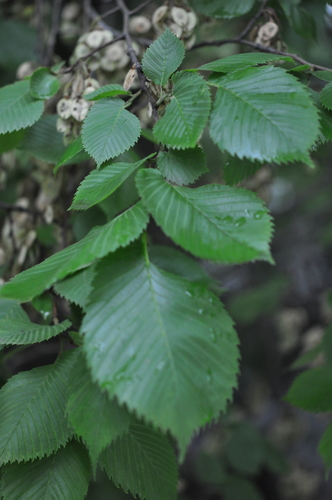
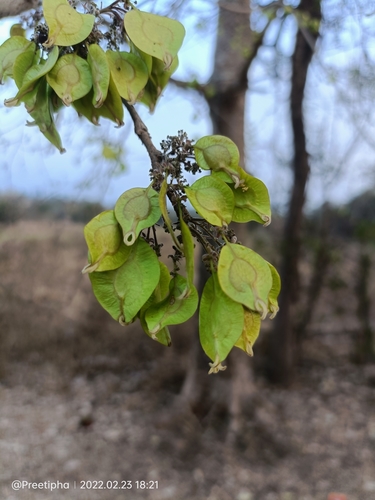
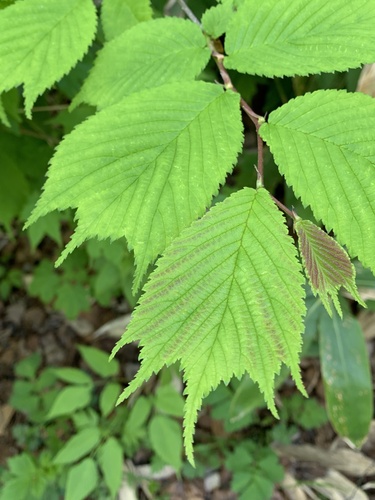
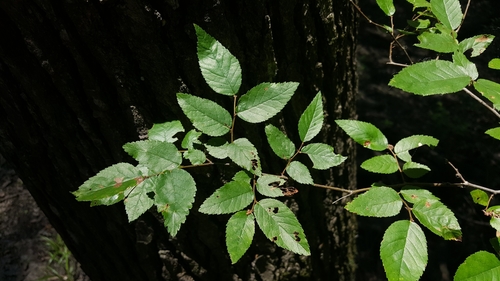
Scientific name: Planera aquatica J.F.Gmel. Leaves are alternate, 3–7 cm long, with irregularly serrated to double serrated margins. The leaf base is wedge-shaped or rounded; it is often equal and symmetrical, but may also be asymmetrical. Thin pubescent hairs are commonly found on the underside of the leaf. Bark is gray-brown and thin, with some flaky loose scales. It exfoliates to reveal a red-brown area underneath the outer bark. The fruit is a drupe, with a green shell that turns brown as it ages. Fruit matures between April and May. While this species is often confused with true elms, it can be easily distinguished by its fruit, which are drupes rather than samaras. When fruit are not in season, the flaky bark unique to water elm is not a characteristic of true elms. It may also be confused with Celtis (hackberries), but hackberry leaves have pronounced lower lateral veins that do not occur on water elm. Ecologically, it is typically found on alluvial floodplains that experience seasonal or temporary flooding. It often grows in swamps, along streams, around lakes, or in riparian areas. It has some wildlife value, serving as food for bees and some bird species. It prefers sandy or gravelly, moist soils, and is classified as an obligate wetland plant (OBL).