About Pistacia terebinthus L.
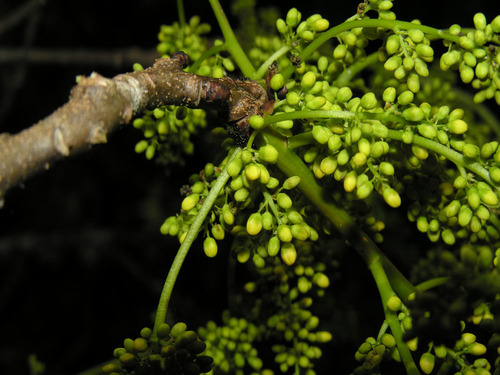
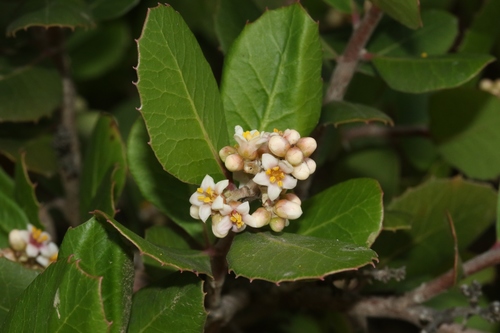
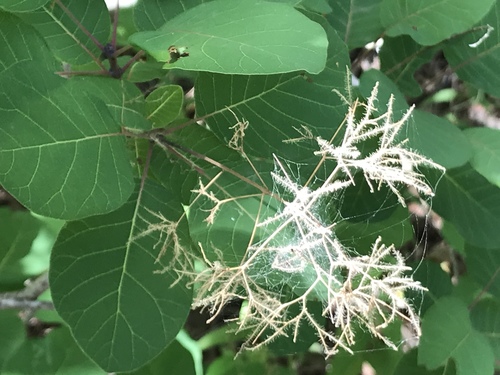
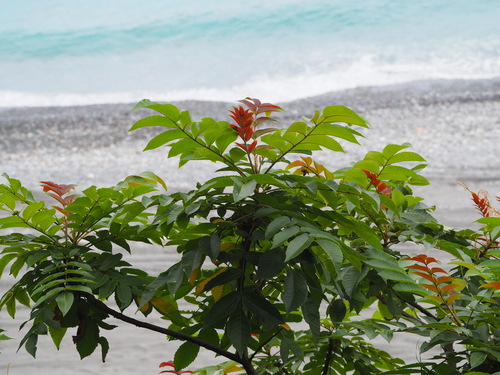
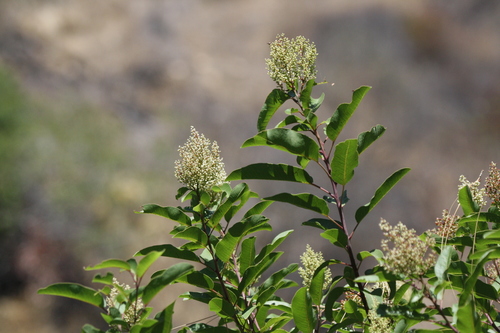
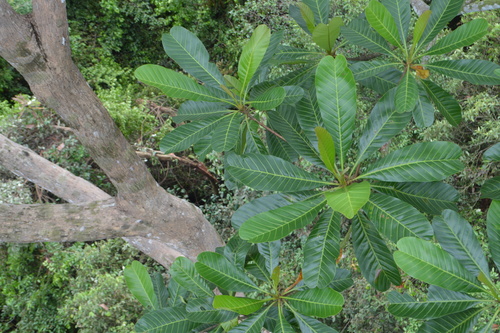
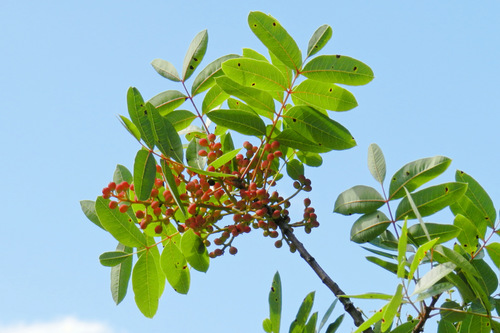
Pistacia terebinthus L., commonly called terebinth, is a deciduous flowering plant in the cashew family Anacardiaceae. It grows as a small tree or large shrub, typically reaching 5 m (16 ft) in height, and rarely reaching up to 10 m (33 ft) tall. It is a dioecious species, meaning individual plants are either male or female, and both sexes must be present to maintain a viable population. When grown as a shrub, it often has multiple trunks or stems, and its trunk is gray and very aromatic. All parts of the plant have a strong bitter, resinous, or medicinal smell. Its leaves are alternate, leathery compound leaves, with descriptions noting they can be odd pinnate with 5 to 11 opposite glossy oval leaflets, or paripinnate (with no terminal leaflet) with 3 or 6 deep green leaflets. Leaflets are typically 2–6 cm long and 1–3 cm broad, and the full leaf ranges from 10–20 cm long overall. Terebinth leaves are generally larger and rounder than the leaves of the related mastic tree (Pistacia lentiscus), and are reminiscent of leaves from the carob tree. Unlike mastic, which has flattened, winged stalks for its leaflets, the leaflet stalks of P. terebinthus are simple. Reddish-purple flowers (ranging from purple to green) emerge alongside new leaves in early spring. The fruit is a small globular drupe 5–7 mm long, the size of a pea, that turns from red to black or brown as it ripens. After insect bites to leaves and leaflets, the plant develops goat-horn shaped galls; these galls give the plant its Spanish common name cornicabra. Terebinth reproduces by both seeds and shoots. It is a very strong and resistant tree that survives even in degraded areas where other species cannot grow, despite often being marked by galls. It hybridizes frequently with Pistacia lentiscus (mastic) in contact zones, and the hybrids are very difficult to distinguish. P. terebinthus is more abundant in mountains and inland areas, while mastic is more common in areas where Mediterranean coastal climate moderates temperatures; mastic also never reaches the size of P. terebinthus. On the west Mediterranean coast, the Canary Islands, and the Middle East, P. terebinthus can be confused with Pistacia atlantica. Terebinth prefers relatively moist areas, and tolerates more intense frost and summer drought than mastic can. It is more demanding of moisture than mastic, and more resistant to cold. It grows at elevations from sea level up to 1,500 m (4,900 ft), most commonly up to 600 m (2,000 ft). It requires full sun exposure and average soils, and tolerates lime and some salt. It is often found growing near the sea, deep ravines, salt-lakes, and streams. It is common in garrigue and maquis habitats, and also grows in deciduous oak woodlands. The word "turpentine" originally referred to the resin exudate of terebinth trees (including P. terebinthus and related species like P. atlantica), and this original product is now called Chian, Chios, or Cyprian turpentine. The term was later adopted to refer to crude turpentine (oleoresin) and essential oil of turpentine from conifer trees. The word turpentine traces back through Old French and Latin to the Greek word τερέβινθος (terébinthos), the ancient name for the terebinth tree. Note that the main source of terebinth turpentine is P. atlantica, which produces abundant resin, while P. terebinthus only produces limited amounts of resin. The fruits of P. terebinthus are used in Cyprus to bake a specialty village bread. In Crete, where the plant is called tsikoudia, it is used to flavor the local pomace brandy that is also called tsikoudia. In the Northern Sporades, the shoots of the plant are eaten as a vegetable called tsitsíravla. The plant is rich in tannins and resinous substances, and it was used for its aromatic and medicinal properties in classical Greece. A mild sweet-scented gum can be produced from its bark, and the galls that commonly form on the plant are used for tanning leather. A triterpene has been extracted from these galls. In Turkey, the plant is known as menengiç or bıttım; a coffee-like beverage called Kurdish coffee or menengiç kahvesi is made from its roasted fruit, and soap is made from its fruit oil. Terebinth resin was used as a wine preservative across the entire ancient Near East, which has been confirmed by archaeological findings from areas including the foot of the Zagros Mountains and Middle Bronze Age Galilee.