About Pisonia subcordata Sw.
Taxonomy and Distribution
Pisonia subcordata, commonly known as the birdcatcher tree or island catchfly, is a species of flowering plant within the Nyctaginaceae family. It is indigenous to tropical regions of the Pacific and Indian Oceans, including Australia, Southeast Asia, and Polynesia.
Size Characteristics
Typically, the plant grows up to 20 meters tall with a trunk diameter of up to 60 centimeters.
Leaf Features
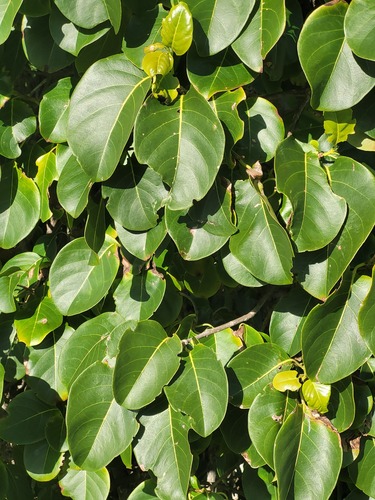
The leaves are large, glossy, and have a leathery texture, reaching up to 30 centimeters in length.
Flower Characteristics
The birdcatcher tree produces small white flowers that are clustered at the ends of its branches.
Fruit and Seed Traits
These flowers are followed by small green fruits that turn yellow when ripe. The fruits contain sticky seeds that can attach to birds' feathers or fur as they brush past.
Traditional Medicinal Uses
The Pisonia subcordata plant has been used for various medicinal purposes by indigenous communities for centuries, thanks to its anti-inflammatory properties.
Ornamental Value
Additionally, it is valued as an ornamental plant due to its attractive foliage and unique growth habit.
Wildlife Threat
However, it is important to note that Pisonia subcordata can also pose a threat to wildlife. Its sticky seeds can trap birds, leading to death by starvation or dehydration if the birds cannot free themselves.
Summary of Benefits
In summary, Pisonia subcordata is a fascinating tropical tree species with beneficial medicinal properties.
Management Considerations
Nevertheless, it requires careful management around human settlements to prevent harm to birds and other wildlife.