About Pimenta dioica (L.) Merr.
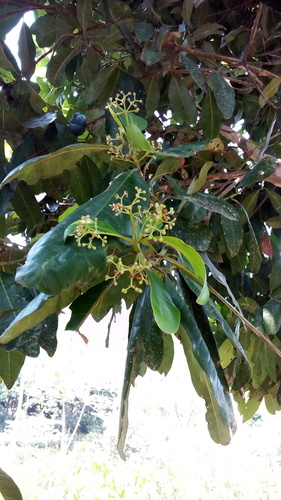
Allspice, also called Jamaica pepper, myrtle pepper, pimenta, or pimento, is the dried unripe berry of Pimenta dioica, a midcanopy tree native to the Greater Antilles, southern Mexico, and Central America. Today, it is cultivated in many warm regions across the world. The English coined the name allspice as early as 1621, because they valued this spice for having a combined flavor profile similar to cinnamon, nutmeg, and clove. Contrary to a common mistaken belief, allspice is not a mixture of multiple different spices. There are multiple unrelated fragrant shrubs that carry common names referencing allspice, including "Carolina allspice" (Calycanthus floridus), "Japanese allspice" (Chimonanthus praecox), and "wild allspice" (Lindera benzoin). Allspice is one of the most important ingredients in Jamaican cuisine. Under the name pimento, it is used in Jamaican jerk seasoning, and traditionally its wood was used to smoke jerk in Jamaica. In the West Indies, an allspice liqueur is produced under the name "pimento dram". In Mexican cuisine, where it is called pimienta gorda, it is used in many dishes. Allspice is also an irreplaceable ingredient in Middle Eastern cuisine, especially in the Levant, where it is used to flavor a range of stews, meat dishes, and tomato sauce. For example, in Arab cuisine, many main dishes use allspice as their only spice. In Northern European and North American cooking, it is an ingredient in commercial sausage products, curry powders, and pickling. In the United States, it is used mostly in desserts, and it also gives Cincinnati-style chili its distinctive aroma and flavor. Allspice is commonly used in Great Britain, and appears in many dishes, including as a dominant flavor in the condiment brown sauce. In Portugal, whole allspice is used heavily in traditional stews cooked in large terracotta pots on the Azores islands. In Polish cuisine, allspice is one of the most frequently used spices, added to most dishes, soups, and stews; it is commonly known as ziele angielskie, or English herb, because Britain was its major exporter. Allspice is also an important part of Swedish, Finnish, and Norwegian cuisine. Whole allspice is used to flavor soups and stews such as Karelian hot pot, while ground allspice is used in various dishes including minced meat sauces, Swedish meatballs, and a range of cakes. The allspice tree, Pimenta dioica, is classified as an evergreen shrub and can reach 10–18 m (33–59 ft) in height. It can grow as a small, scrubby tree, with a very similar size and form to bay laurel. It can also grow as a tall canopy tree, and is sometimes grown to provide shade for coffee trees planted beneath it. It can be grown outdoors in the tropics and subtropics in normal garden soil with regular watering. Smaller allspice plants can be killed by frost, while larger plants are more tolerant of cold temperatures. It adapts well to container growing and can be kept as a houseplant or grown in a greenhouse. Pimenta dioica grows in Tonga and Hawaii, where it has become naturalized on Kauaʻi and Maui. Jamaica remains the leading producer of the plant, though other countries in the same region also grow some allspice. Originally, allspice was only found growing naturally on the island of Jamaica, where local birds readily spread its seeds. To protect the pimenta trade, Jamaican growers prevented the plant from being exported. Many attempts to grow pimenta from seeds were made, but all failed. Eventually, growers discovered that passing through a bird's digestive tract was essential for the seeds to germinate, whether this effect came from the acidity or the elevated temperature inside the digestive system. This discovery allowed successful germination of allspice seeds in other regions of the world.