About Pieris japonica (Thunb.) D.Don ex G.Don
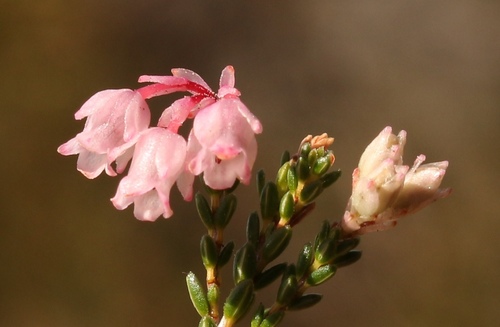
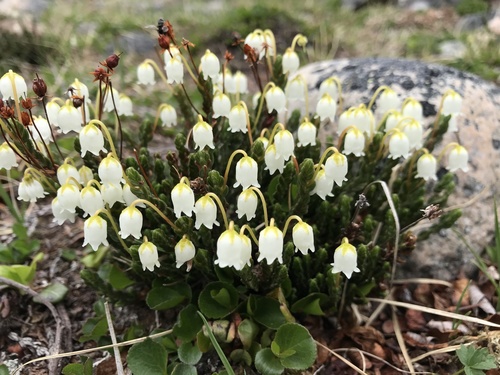
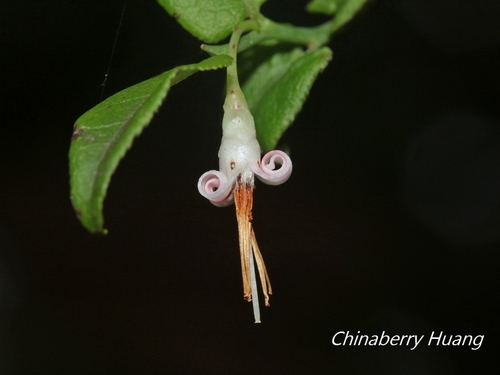
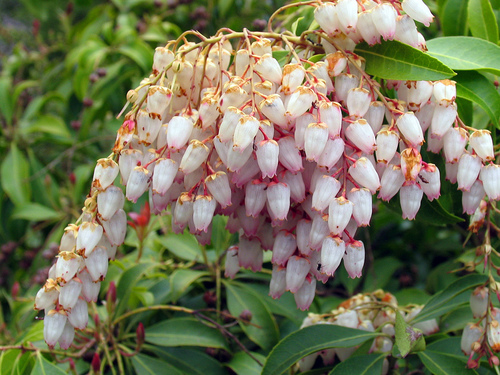
Pieris japonica (Thunb.) D.Don ex G.Don usually grows between 1 and 4 metres (3.3 to 13.1 feet) tall, and it may occasionally reach up to 10 metres in height. Its leaves grow in an alternating arrangement, are simple in form, and range in shape from obovate to oblanceolate. They measure 3 to 9 cm in length and have serrated edges. Mature leaves are dark green, lustrous, and leathery in texture. New growth displays a distinct bronze or red color before maturing to green. This plant flowers from early to late spring. It produces drooping trusses of fragrant, urn-shaped white or pink flowers that hang from branch tips; these trusses measure roughly 10 cm long. Each individual flower is 5 to 6 mm long. The flower clusters, which have a long blooming period, create a decorative visual effect against the young red leaves, and flowers typically last for two to three weeks. This plant is poisonous if eaten, due to grayanotoxins present in its flowers and leaves. If humans ingest the plant’s flowers or leaves, possible symptoms include salivation, headaches, vomiting, cardiac failure, and death. Cattle, goats, horses, dogs, and cats can develop similar symptoms after eating Pieris japonica leaves or flowers. The common name "andromeda" comes from an earlier genus classification for this species. In cultivation, Pieris japonica is a popular garden plant for temperate climates, that adds visual color to gardens in early spring. It is a calcifuge, meaning it requires acidic pH soil, and it typically grows best in partially shaded locations like dappled woodland settings. It grows well alongside camellias, rhododendrons, and other plants that are intolerant of alkaline soil.