About Picconia excelsa (Aiton) DC.
Taxonomic Identity
Picconia excelsa (Aiton) DC. is an evergreen shrub or small tree that reaches 10–15 m (33–49 ft) in height, and has a somewhat open crown.
Bark Characteristics
Its bark is roughly textured, and ranges from white to grey in colour.
Leaf Morphology
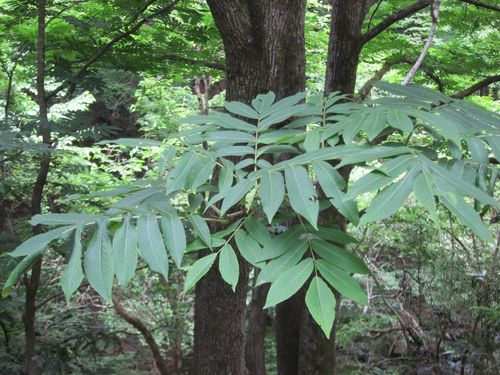
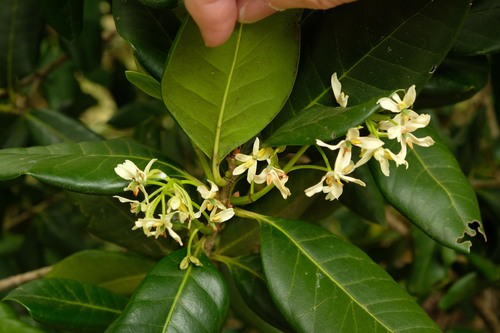
It bears leathery, hairless leaves arranged in opposite pairs; leaves are elliptic to obovate in shape, 6–8 cm (2.4–3.1 in) long, dark green on the upper surface, paler on the lower surface, and have smooth entire margins.
Inflorescence Structure
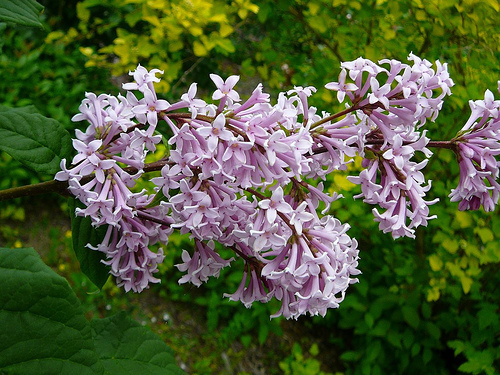
Its inflorescences are racemes that hold hermaphroditic flowers.
Flower Characteristics
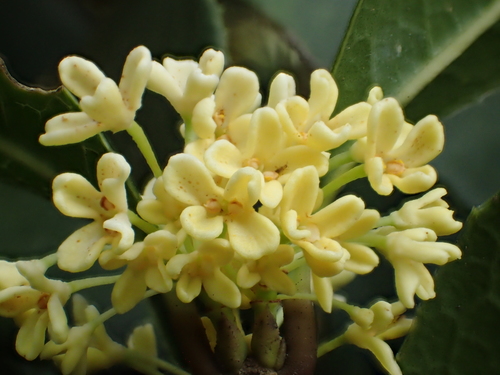
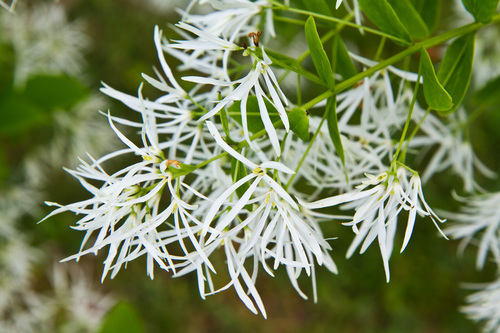
The flowers are white, sometimes sweetly scented, and have four petals.
Fruit Morphology
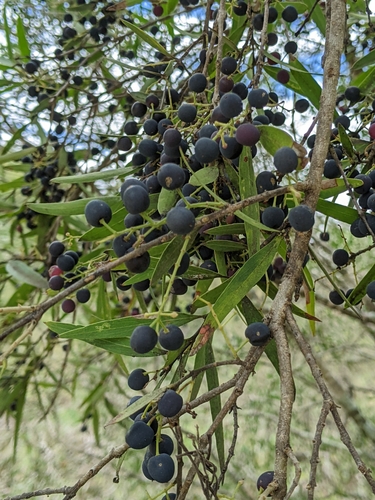
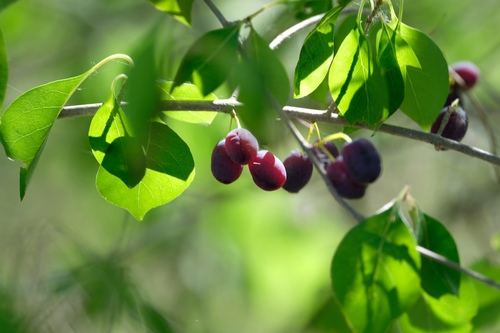
The fruit is a fleshy single-seeded drupe similar to an olive, measuring around 2 cm (0.79 in) long.
Fruit Coloration
Fruit starts green, and turns purplish black when fully ripe.
Species Distribution
This species occurs in the Madeira archipelago (on the island of Madeira) and in the Canary Islands (on the islands of El Hierro, Fuerteventura, Gran Canaria, La Gomera, La Palma, and Tenerife).
Habitat Types
It grows mainly in laurel forests at altitudes between 200 and 1,200 m (660–3,940 ft) above sea level, but can also be found in pine forests and in heathland dominated by Myrica and Erica species.
Preferred Growth Sites
It most commonly grows in open areas on slopes or in valleys.
Ecological Role
Picconia excelsa is an important species in the laurel forests of Madeira and the Canary Islands. It acts as a host for the epiphytic liverwort Frullania polysticta, a Macaronesian endemic that is specialized to laurel forest habitat.
Wood Uses
Locally, the wood of Picconia excelsa is used for carpentry and construction.
Cultivation Applications
It is sometimes planted for reforestation projects, and also grown as an ornamental tree.
Introduction History
It was first introduced to the United Kingdom as an ornamental species in 1784.